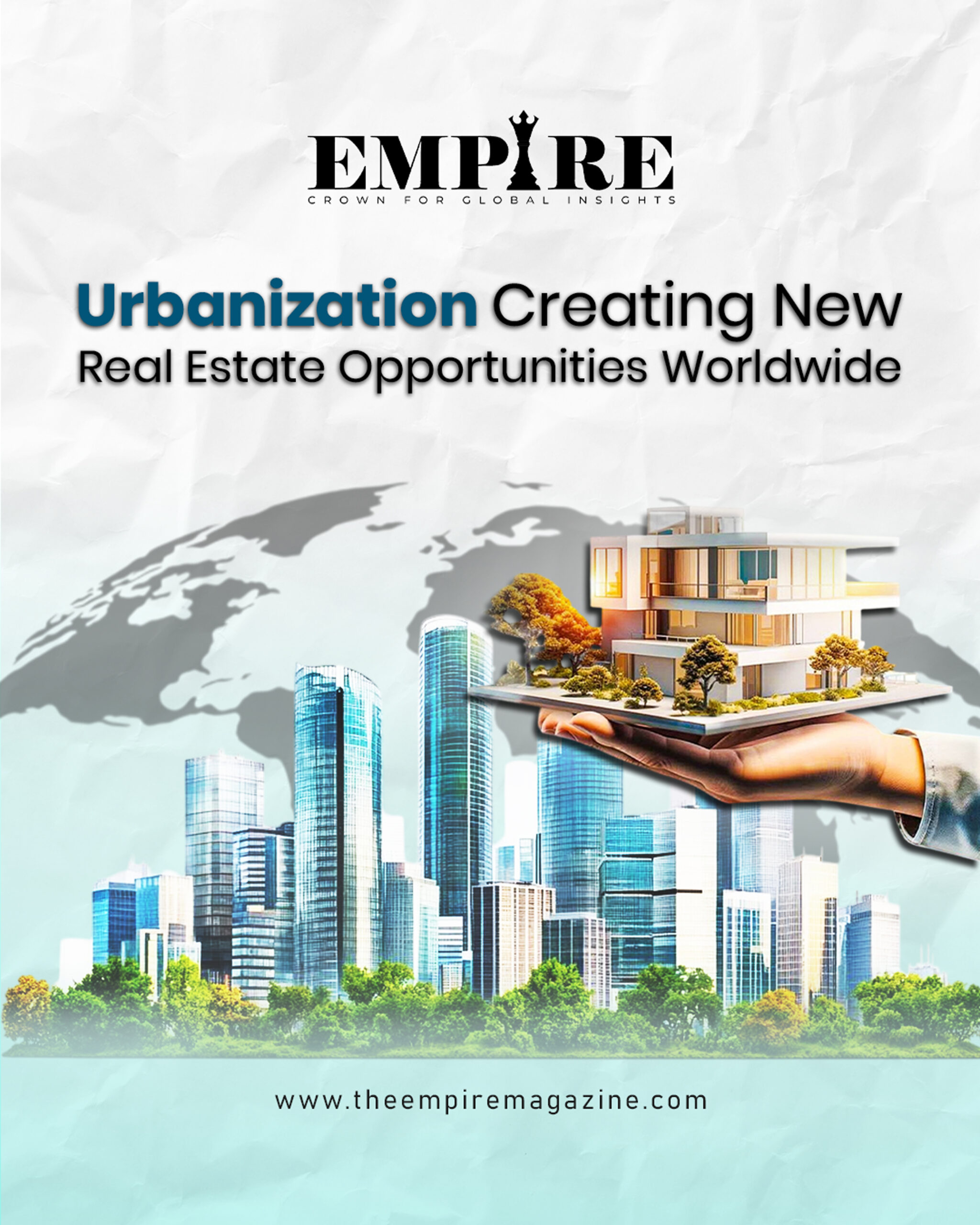
The trend of urbanization creating new real estate opportunities worldwide is reshaping how cities grow, how people live, and how investors approach property markets. As populations continue to move from rural areas to urban centers, cities are becoming the focal point of economic activity, innovation, and infrastructure development. This shift is not only increasing demand for housing and commercial spaces but also opening new avenues for smart, sustainable, and technology-driven real estate solutions.
Urbanization is one of the defining global trends of the 21st century. With a growing percentage of the world’s population expected to live in cities, urban areas are becoming engines of economic growth, producing a large share of global output while also consuming significant resources. This rapid expansion is creating both challenges and opportunities, particularly in the real estate sector.
The Rise of Urbanization and Its Impact
At the core of urbanization creating new real estate opportunities worldwide is the simple reality that more people need more space in cities. This includes residential housing, office spaces, retail centers, logistics hubs, and public infrastructure.
As cities expand, they face challenges such as housing shortages, traffic congestion, environmental concerns, and infrastructure limitations. These challenges are driving innovation in urban planning and real estate development. Developers and governments are now focusing on creating smarter, more efficient, and more sustainable urban environments.
Urbanization also leads to the growth of megacities and smaller urban hubs, especially in developing regions. These areas are experiencing rapid demand for affordable housing, mixed-use developments, and modern infrastructure, creating significant investment opportunities.
Smart Cities: The Future of Urban Living
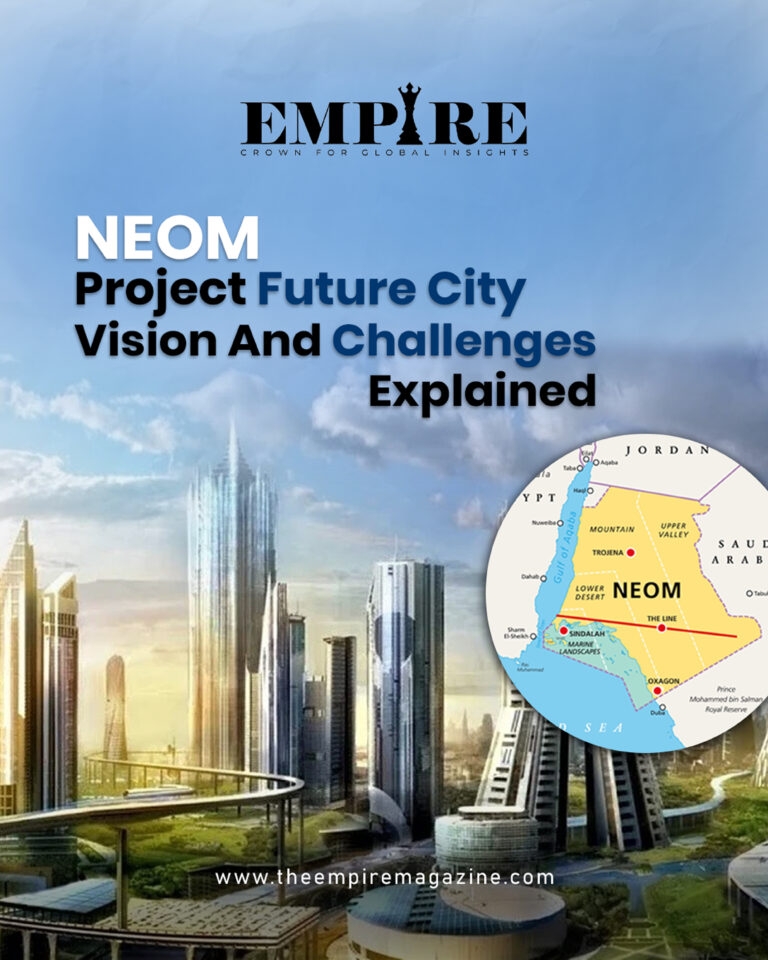
One of the most exciting aspects of urbanization creating new real estate opportunities worldwide is the emergence of smart cities. Smart city developments use technology and data to improve urban living, making cities more efficient, sustainable, and connected.
In smart cities, real estate goes beyond traditional buildings. Properties are designed to integrate with digital infrastructure, using technologies such as IoT, artificial intelligence, and data analytics. These systems help optimize energy usage, improve security, and enhance the overall quality of life for residents.
For example, smart buildings can automatically adjust lighting, temperature, and energy consumption based on occupancy. This not only reduces costs but also supports environmental sustainability. These features make properties more attractive to buyers and tenants, increasing their value in the market.
Sustainable and Green Real Estate Development
Sustainability is becoming a key driver in urbanization creating new real estate opportunities worldwide. As cities grow, there is increasing pressure to reduce environmental impact and promote eco-friendly living.
Green buildings, energy-efficient designs, and sustainable materials are now central to modern real estate projects. Developers are focusing on reducing carbon footprints, improving energy efficiency, and creating healthier living environments.
These sustainable developments are not only beneficial for the environment but also for investors. Properties that meet environmental standards often have higher demand, better long-term value, and lower operating costs.
Data-Driven Urban Planning
Another important factor in urbanization creating new real estate opportunities worldwide is the use of data in urban planning. Cities are increasingly relying on data analytics to understand population trends, transportation patterns, and resource usage.
This data-driven approach allows developers to design properties that better meet the needs of residents and businesses. For example, analyzing traffic patterns can help determine the best locations for commercial centers, while studying population growth can guide residential development.
Data also helps improve efficiency in construction and operations, reducing costs and increasing profitability for real estate projects.
New Investment Opportunities in Emerging Markets
Urbanization is not limited to developed countries. In fact, some of the most significant opportunities in urbanization creating new real estate opportunities worldwide are emerging in developing regions.
Countries in Asia and Africa are experiencing rapid urban growth, leading to increased demand for housing, infrastructure, and commercial spaces. These markets offer high growth potential for investors willing to take a long-term perspective.
Developers are focusing on affordable housing, mixed-use developments, and infrastructure projects that cater to growing urban populations. These investments not only generate financial returns but also contribute to economic development and improved living standards.
The Role of Technology in Real Estate Transformation
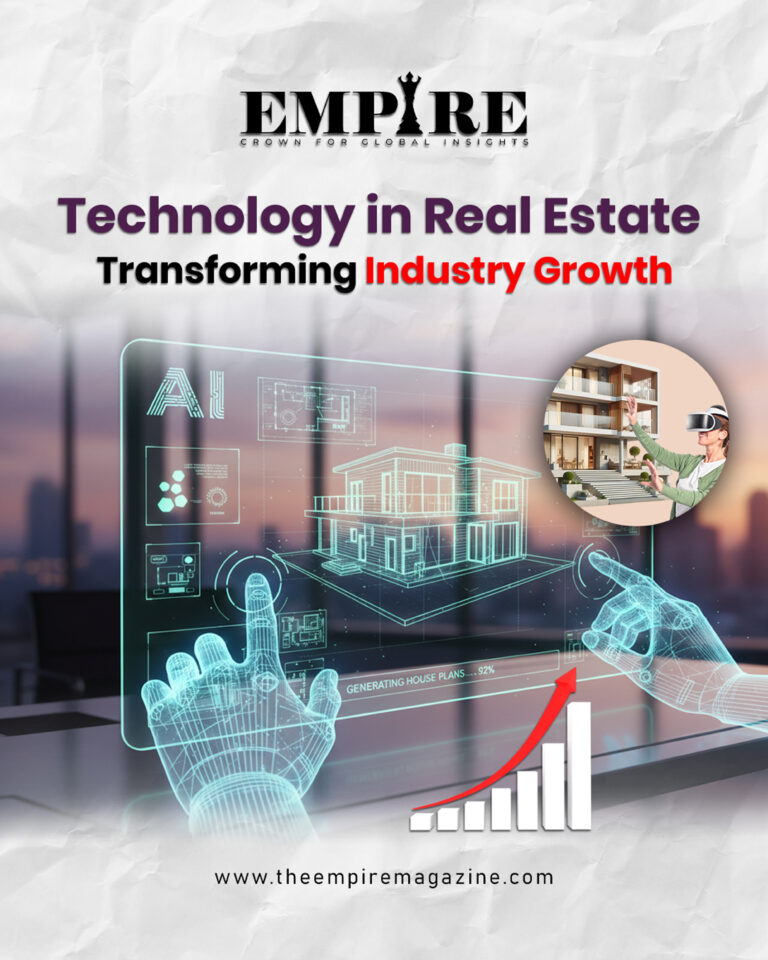
Technology is playing a major role in urbanization creating new real estate opportunities worldwide. From smart homes to digital property management systems, technology is transforming how real estate is developed, marketed, and managed.
The Internet of Things (IoT) allows buildings to become more efficient and responsive. Artificial intelligence helps in urban planning and property management, while big data provides insights into market trends and consumer behavior.
These technologies are making real estate more efficient, reducing costs, and improving the overall experience for residents and businesses.
Challenges in Urban Real Estate Development
While the opportunities are significant, urbanization creating new real estate opportunities worldwide also comes with challenges. Rapid urban growth can lead to issues such as affordability, infrastructure strain, and environmental impact.
High costs of smart city projects, regulatory hurdles, and the complexity of integrating advanced technologies can also pose challenges for developers. Additionally, ensuring that urban development is inclusive and accessible to all segments of society remains a critical concern.
Addressing these challenges requires collaboration between governments, developers, and communities. Effective policies, innovative solutions, and sustainable practices are essential for creating balanced urban growth.
The Future of Real Estate in Urban Environments
Looking ahead, the future of urbanization creating new real estate opportunities worldwide is closely tied to innovation and sustainability. Cities will continue to evolve, driven by technology, population growth, and changing lifestyle preferences.
Mixed-use developments, co-living spaces, and flexible work environments are expected to become more common. Real estate will increasingly focus on creating integrated communities that combine living, working, and leisure spaces.
Smart cities will play a central role in this transformation, offering new opportunities for developers, investors, and residents alike.
For more insights, visit:
https://theempiremagazine.com/?p=5955
Stay connected with us:
Instagram: https://www.instagram.com/the_empire_magazine/
Facebook: https://www.facebook.com/profile.php?id=61573749076160
– The Empire Magazine
Crown For Global Insights