Introduction to ImmunityBio Cancer Research
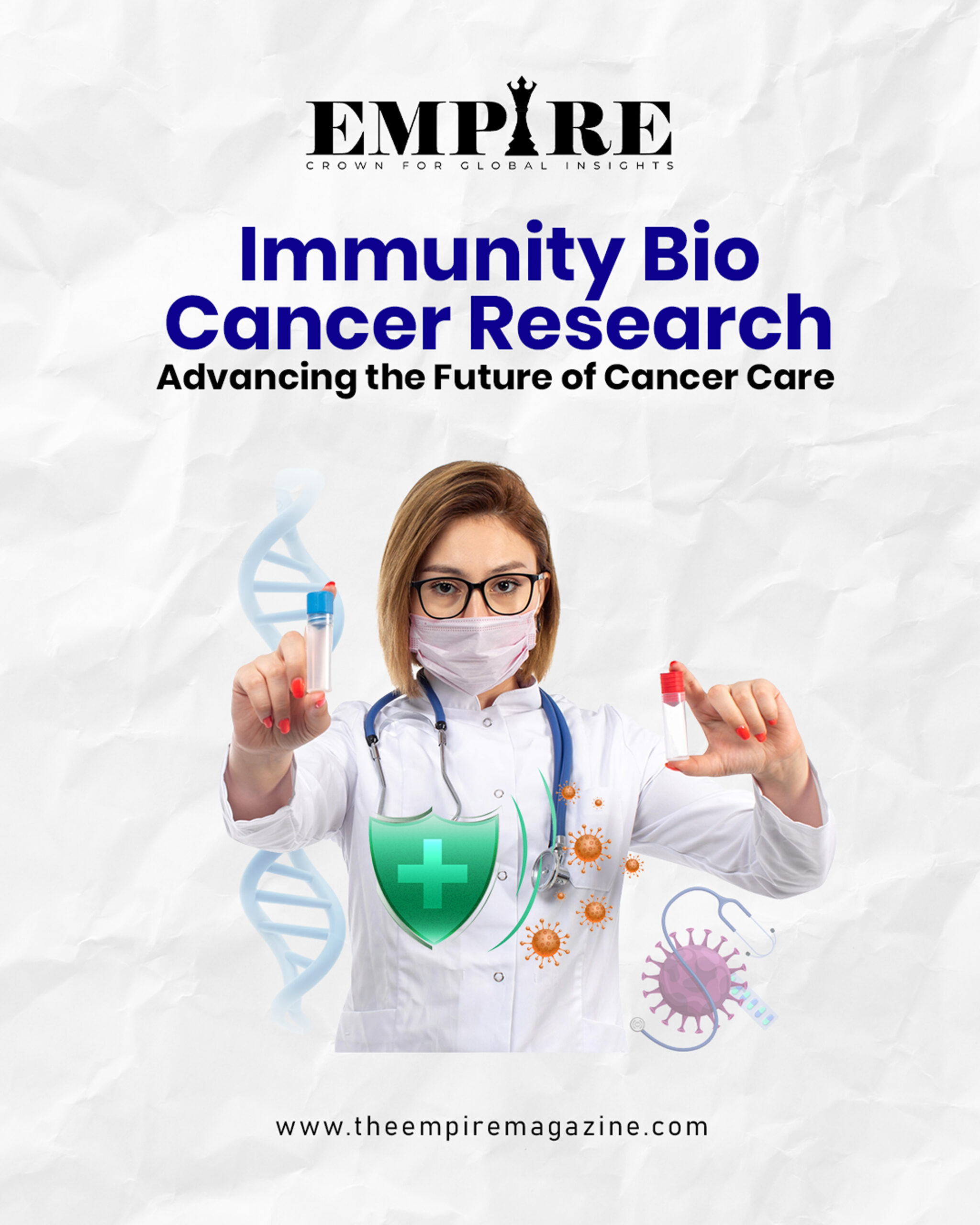
ImmunityBio Cancer Research is playing an important role in advancing modern cancer treatment through innovative biotechnology and immunotherapy. Led by physician and entrepreneur Patrick Soon-Shiong, this research initiative focuses on strengthening the body’s immune system to detect and destroy cancer cells more effectively. Instead of relying only on traditional treatments, ImmunityBio explores how immune-based therapies can transform cancer care and improve long-term patient outcomes.
The goal of ImmunityBio Cancer Research is to develop treatments that activate the immune system so it can identify cancer cells as threats and eliminate them naturally. This approach represents a major shift in how scientists and doctors think about treating complex diseases like cancer.
The Vision Behind ImmunityBio Cancer Research
Patrick Soon-Shiong’s work in biotechnology has been driven by a vision to create more effective and personalized treatments for cancer patients. Traditional therapies such as chemotherapy and radiation have been widely used for decades, but they often come with serious side effects and may not work for every patient.
Through ImmunityBio Cancer Research, scientists are exploring how the immune system can become a powerful ally in fighting cancer. By studying how immune cells interact with tumors, researchers can design therapies that stimulate stronger immune responses.
This research focuses on helping the body recognize cancer cells more clearly and respond to them more aggressively. The ultimate goal is to create therapies that are both effective and less harmful to healthy cells.
Scientific Innovation Driving ImmunityBio Cancer Research
The foundation of ImmunityBio Cancer Research lies in the field of immunotherapy. Immunotherapy is a treatment strategy that helps the immune system identify and destroy abnormal cells.
Cancer cells often develop ways to hide from immune defenses. Immunotherapy aims to overcome this challenge by strengthening immune activity.
Some of the scientific strategies explored in ImmunityBio Cancer Research include:
- Immune cell activation therapies
- Advanced biologic treatments targeting cancer cells
- Combination therapies that improve immune responses
- Research on tumor biology and immune interaction
These scientific approaches allow researchers to design treatments that work with the body’s natural defense system rather than relying solely on chemical treatments.
Clinical Development and Medical Research
Another important aspect of ImmunityBio Cancer Research is the development and testing of new therapies through clinical research. Medical research requires careful evaluation to ensure that treatments are safe and effective.
Clinical trials help scientists understand how immune-based therapies respond to different types of cancer. By analyzing patient outcomes and immune responses, researchers can refine treatment strategies and improve effectiveness.
The insights gained from clinical research are essential for developing new treatments that could eventually reach hospitals and healthcare providers.
Through continuous research and innovation, ImmunityBio Cancer Research contributes to the global effort to improve cancer care.
The Role of Biotechnology in Cancer Treatment
Biotechnology plays a crucial role in the progress of ImmunityBio Cancer Research. Advances in genetic analysis, data science, and molecular biology have allowed scientists to better understand how cancer develops at the cellular level.
These technologies enable researchers to design targeted therapies that address specific biological characteristics of tumors.
By combining biotechnology with immunology, scientists can develop treatments that are more precise and personalized.
The integration of biotechnology and medicine is helping reshape the future of healthcare by enabling innovative solutions for complex diseases.
Leadership and Innovation in Healthcare
Patrick Soon-Shiong’s leadership demonstrates how scientific knowledge and entrepreneurial vision can work together to drive innovation in healthcare. His work emphasizes collaboration between researchers, physicians, and technology experts.
The progress made through ImmunityBio Cancer Research highlights the importance of long-term investment in scientific discovery.
Innovation in healthcare is often driven by leaders who are willing to explore new ideas and challenge existing medical approaches.
Technological innovation has also transformed other industries around the world. For example, digital platforms have reshaped transportation systems through new mobility solutions.
You can explore another example of technological innovation here:
Both stories demonstrate how visionary leadership can influence entire industries.
Challenges in Cancer Research
Despite the progress achieved through ImmunityBio Cancer Research, cancer remains one of the most complex diseases in modern medicine.
Different types of cancer behave differently, and tumors can adapt to treatments over time. This makes it challenging for researchers to develop therapies that work across multiple conditions.
Scientists must also navigate regulatory approvals, long research timelines, and extensive testing requirements.
However, advances in biotechnology and immunotherapy continue to improve understanding of how cancer interacts with the immune system.
These discoveries are helping researchers develop more targeted and effective treatments.
The Future of ImmunityBio Cancer Research
The future of ImmunityBio Cancer Research lies in the continued development of immune-based therapies that improve patient outcomes.
Future medical innovations may include:
- Personalized immunotherapy treatments
- Combination therapies that enhance immune response
- Early detection methods using biotechnology
- Advanced immune-cell engineering technologies
These advancements could significantly change how cancer is treated and improve survival rates for patients worldwide.
As scientific understanding grows, immune-based therapies may become one of the most powerful tools in modern medicine.
– The Empire Magazine
Crown for Global Insights
Follow The Empire Magazine
Facebook | Instagram | LinkedIn