
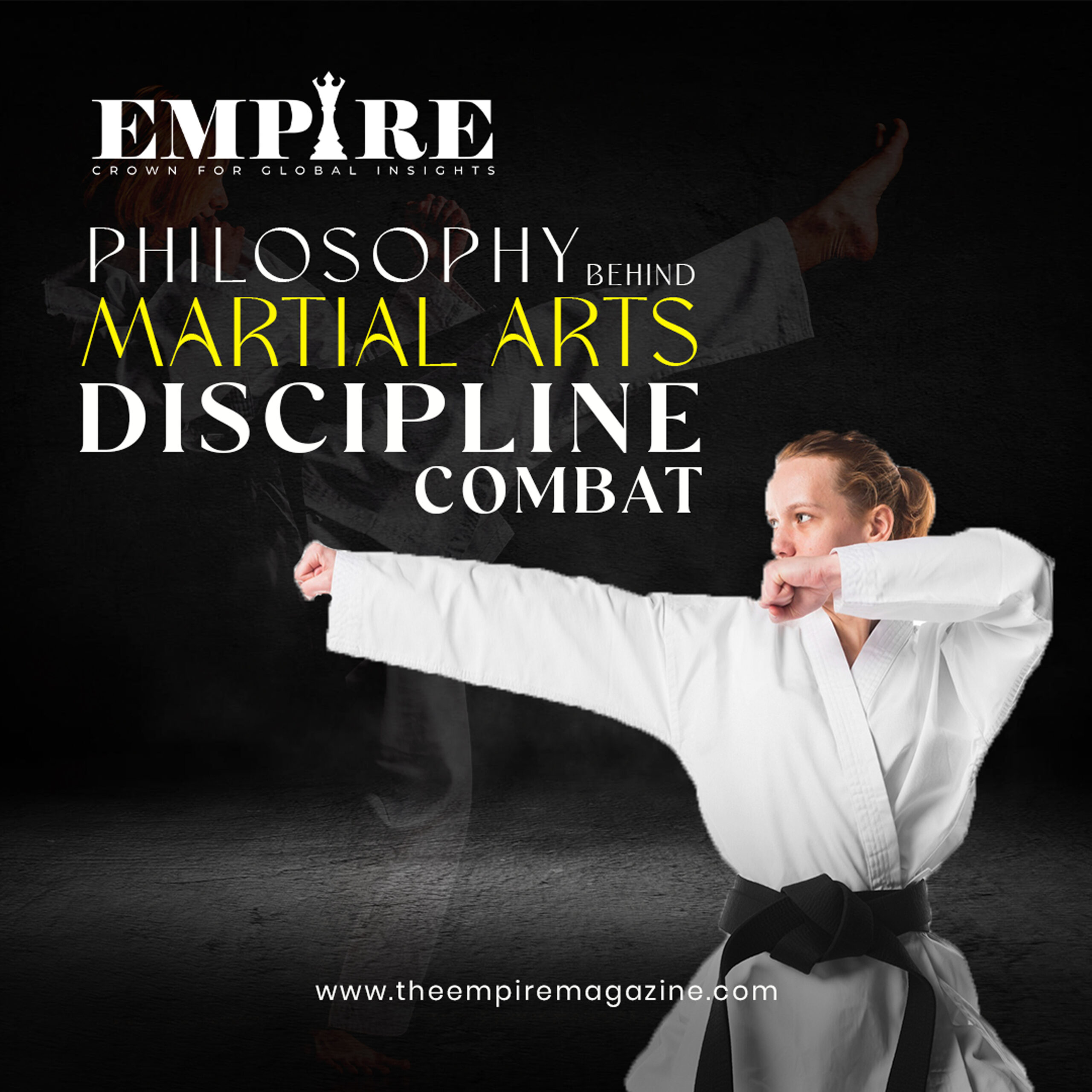
The Philosophy Behind Martial Arts extends far beyond combat techniques and physical strength. While many people associate martial arts with fighting, tournaments, and self-defense, its true foundation lies in discipline, self-mastery, and ethical living. For centuries, martial arts has served not merely as a system of combat, but as a path toward mental clarity, spiritual awareness, and personal transformation.
At its core, martial arts is a way of life. It is a structured practice that refines character, strengthens the mind, and cultivates inner balance. The kicks and punches are only the surface. Beneath them lies a deeper philosophy rooted in humility, respect, emotional control, and lifelong learning.
To explore how traditional disciplines continue to influence modern society and leadership, read our related feature:
https://theempiremagazine.com/luxury-jewelry-redefined-for-a-new-trend/
Ancient Roots of the Philosophy Behind Martial Arts
The Philosophy Behind Martial Arts can be traced back to ancient civilizations where physical training was inseparable from spiritual development. In China, systems such as Kung Fu evolved alongside Taoist and Buddhist teachings, emphasizing harmony between body and mind. In Japan, the Samurai followed Bushido, a strict moral code centered on honor, loyalty, courage, and integrity. In India, Kalaripayattu was deeply influenced by yogic principles and holistic wellness traditions.
Early masters did not train solely for warfare. Many were monks and spiritual seekers who viewed martial arts as a discipline for cultivating peace within themselves. Combat training became a tool for strengthening willpower, sharpening awareness, and aligning the individual with higher moral principles.
Thus, from the beginning, martial arts was never just about defeating an opponent. It was about conquering the ego and mastering the self.
Discipline: The Cornerstone of Growth
One of the strongest pillars in the Philosophy Behind Martial Arts is discipline. Every martial artist understands that progress demands repetition, patience, and perseverance. Techniques are practiced thousands of times. Forms are refined until movements become instinctive. Physical endurance is developed through consistent training.
This structured repetition builds more than physical skill. It cultivates mental resilience. Students learn to endure discomfort without complaint. They understand that improvement requires time and dedication. In a world dominated by instant gratification, martial arts teaches delayed reward and long-term commitment.
Discipline practiced in the dojo extends into everyday life. Martial artists often develop better time management, focus, and consistency in their careers, education, and relationships. The habits formed through training shape character far beyond the training floor.
Humility and the Power of Lifelong Learning
Another essential element of the Philosophy Behind Martial Arts is humility. Regardless of rank or experience, every practitioner understands that learning never truly ends. Even a master continues refining basics.
In many traditional schools, earning a black belt does not symbolize mastery—it signifies readiness for deeper study. This mindset prevents arrogance and encourages continuous growth.
Humility fosters respect for teachers, training partners, and even opponents. A loss is viewed not as humiliation but as an opportunity for improvement. Corrections from instructors are welcomed rather than resisted.
True strength in martial arts is quiet. It does not seek validation or applause. It remains grounded, disciplined, and self-aware.
Respect as a Living Practice
Respect is woven into the daily rituals of martial arts. Students bow when entering the dojo, acknowledging the space of learning. They thank their instructors after class and show appreciation toward sparring partners. These gestures are not empty traditions. They reinforce mindfulness and gratitude.
The Philosophy Behind Martial Arts teaches that respect extends beyond training. It influences how individuals treat family members, colleagues, and strangers. Children who practice martial arts often become more polite and attentive. Adults find themselves listening more carefully and responding more thoughtfully.
Respect builds community. It reminds practitioners that strength must be balanced with responsibility.
Focus, Presence, and Mental Clarity
Martial arts demands complete attention. Whether performing a kata, practicing a combination, or sparring, distraction can lead to mistakes. Training sharpens awareness and builds concentration.
Many practitioners describe martial arts as a moving meditation. Controlled breathing, repetitive movements, and heightened awareness bring the mind into the present moment. Over time, this practice strengthens emotional stability and stress management.
The Philosophy Behind Martial Arts emphasizes clarity over chaos. It trains individuals to remain calm under pressure and respond thoughtfully rather than react impulsively. This mental control becomes invaluable in high-stress professional and personal situations.
Emotional Control and Inner Balance
One of the most misunderstood aspects of martial arts is aggression. In reality, authentic martial arts training prioritizes control over emotion. A skilled martial artist does not act from anger or ego. They learn to regulate impulses and avoid unnecessary conflict.
Emotional discipline reduces fear and anxiety. It replaces reaction with awareness. Students develop patience, tolerance, and balance. For children and teenagers, this guidance is especially transformative, offering a healthy outlet for energy and frustration.
The Philosophy Behind Martial Arts teaches that true victory is not domination—it is self-control.
The Role of the Teacher
In traditional systems, the teacher or sensei holds profound importance. They are more than technical instructors. They are mentors guiding moral and personal development.
The student-teacher relationship is built on trust and respect. A good sensei shapes character as much as skill. Through correction, encouragement, and example, they demonstrate what disciplined living looks like.
This mentorship fosters deep personal growth and often creates lifelong bonds within martial arts communities.
A Universal Path to Self-Improvement
The Philosophy Behind Martial Arts is accessible to everyone. It does not require youth, extraordinary strength, or athletic background. There are styles for every age and ability—from dynamic striking arts to meditative forms like Tai Chi.
People begin martial arts training for different reasons: fitness, confidence, self-defense, or stress relief. Yet many stay because of the transformation they experience internally. They discover increased confidence, clearer thinking, emotional stability, and a stronger sense of purpose.
In a fast-paced and distracted world, martial arts offers structure, grounding, and introspection. It reconnects individuals to discipline, mindfulness, and inner peace.
The Philosophy Behind Martial Arts reminds us that strength is not measured by force alone. It is measured by restraint, discipline, humility, and character. Beyond combat techniques lies a deeper journey—one that refines the individual from the inside out.
Through consistent practice, martial arts becomes more than movement. It becomes a framework for living with integrity, focus, and balance. And in mastering the self, practitioners discover the most meaningful victory of all.
– The Empire Magazine
Crown For Global Insights