The Evolving Role of CHROs is redefining leadership in today’s dynamic business environment. Once viewed primarily as administrative heads responsible for hiring, payroll, and compliance, Chief Human Resources Officers now operate at the core of organizational strategy. In 2025, the CHRO is not simply managing people functions but shaping business direction, culture, digital transformation, and long-term sustainability.
As companies navigate rapid technological change, hybrid work models, global expansion, and shifting workforce expectations, the CHRO has emerged as one of the most influential voices in the boardroom.
From Administrative Head to Strategic Architect
Historically, HR was considered a support department. Today, the Evolving Role of CHROs positions them as strategic architects of growth. They sit alongside CEOs, CFOs, and COOs, contributing to high-level decisions including mergers, acquisitions, market expansion, and restructuring.
When a company enters a new geography, the CHRO assesses workforce readiness, cultural alignment, regulatory frameworks, and leadership capability. Talent strategy now directly influences corporate strategy. Without the right people, even the strongest business model cannot succeed.
The modern CHRO ensures workforce planning aligns with long-term organizational goals. They analyze skills gaps, leadership pipelines, and succession planning to future-proof the company.
Driving Organizational Culture and Purpose
Culture has become a competitive advantage. Employees today seek meaning, flexibility, and belonging. The Evolving Role of CHROs includes shaping cultures that inspire performance and loyalty.
Culture is not built through slogans. It is reflected in leadership behavior, transparent communication, and fair policies. CHROs act as custodians of organizational values, ensuring that culture is lived daily across departments.
In periods of uncertainty, such as economic slowdowns or global crises, CHROs play a stabilizing role. They reinforce trust, maintain engagement, and ensure internal communication remains clear and empathetic.
The Rise of Data-Driven HR Leadership
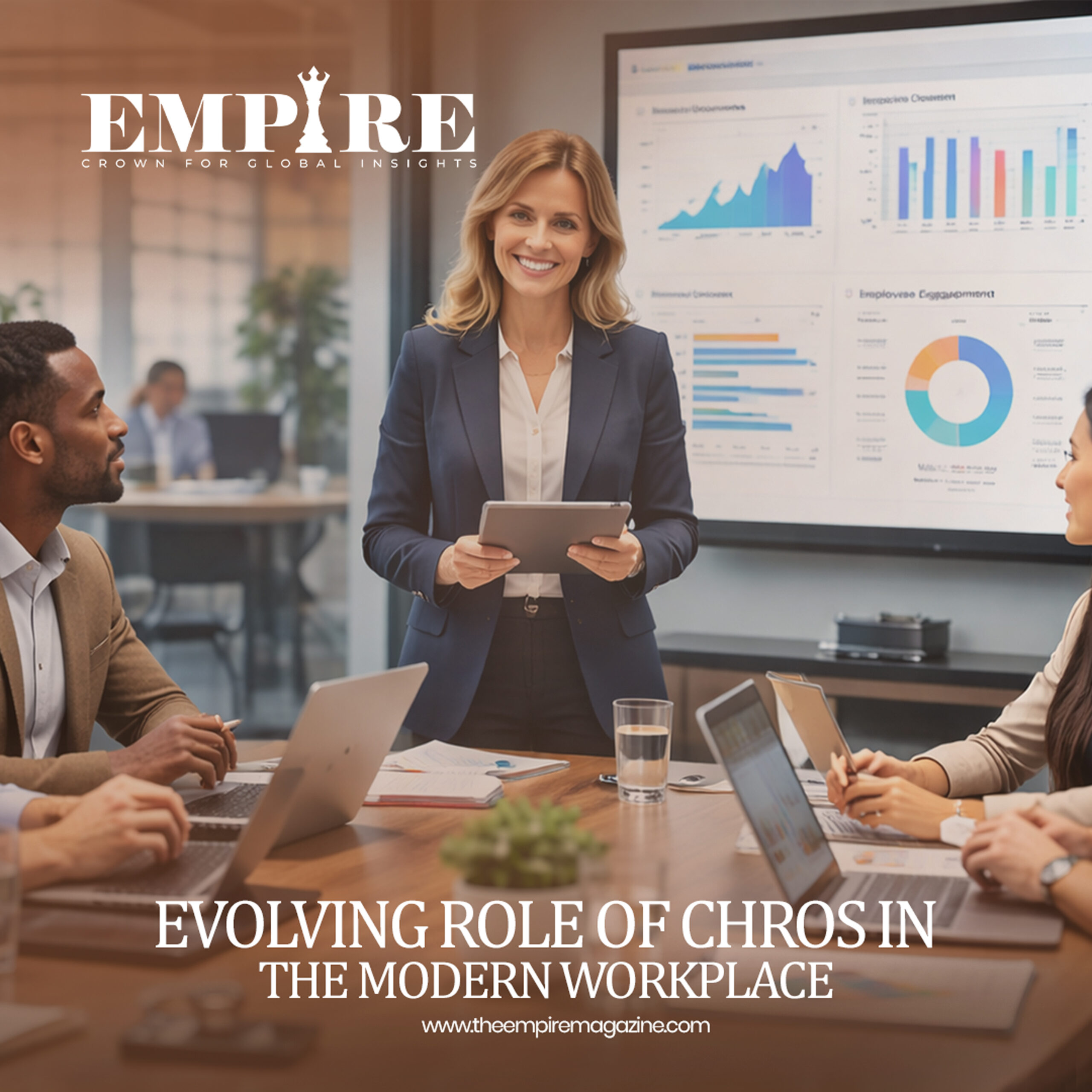
Modern HR leadership is powered by analytics. The Evolving Role of CHROs now includes leveraging data to drive informed decisions.
People analytics helps identify:
- Employee turnover patterns
- Performance trends
- Engagement levels
- Leadership effectiveness
- Skill shortages
With real-time workforce insights, CHROs can predict challenges before they escalate. Recruitment strategies are refined using data on sourcing channels and candidate success metrics.
This analytical capability strengthens the CHRO’s credibility within executive leadership. Decisions are no longer based solely on instinct; they are supported by measurable impact.
Managing Transformation and Digital Acceleration
Organizations are undergoing digital transformation at unprecedented speed. Automation, artificial intelligence, and cloud technologies are reshaping roles and processes. The Evolving Role of CHROs includes guiding employees through this transformation.
Change management is no longer optional. It requires structured communication, upskilling initiatives, and transparent leadership. Employees must understand how transformation benefits them and the company.
To explore how digital acceleration is influencing organizational growth, read our related feature:
https://theempiremagazine.com/?p=5296
CHROs act as bridges between executive vision and workforce adaptation. They ensure transformation enhances capability rather than creating disruption.
Prioritizing Employee Wellbeing and Mental Health
The modern workplace recognizes that productivity and wellbeing are interconnected. The Evolving Role of CHROs includes embedding wellness into organizational strategy.
Flexible working models, mental health resources, counseling programs, and balanced workload policies are now strategic investments, not optional benefits.
Employees who feel supported perform better, remain loyal longer, and contribute positively to company culture. CHROs ensure wellbeing initiatives are inclusive and accessible to all employees.
Championing Diversity, Equity, and Inclusion
Diversity, equity, and inclusion are central pillars of modern leadership. The Evolving Role of CHROs involves creating workplaces where diverse perspectives thrive.
Inclusive recruitment practices, leadership diversity programs, and bias-awareness training form part of HR strategy. Organizations that embrace diversity experience stronger innovation and problem-solving capability.
CHROs ensure that diversity efforts move beyond symbolic gestures to measurable outcomes. They establish accountability frameworks that promote fairness and opportunity.
Preparing for the Future of Work
The future of work is hybrid, digital, and skills-driven. Automation will redefine many roles, while new skills emerge rapidly. The Evolving Role of CHROs includes building learning ecosystems that prepare employees for evolving demands.
Reskilling and upskilling programs are critical. Instead of replacing employees, organizations are investing in internal development pathways. Continuous learning has become a cultural norm.
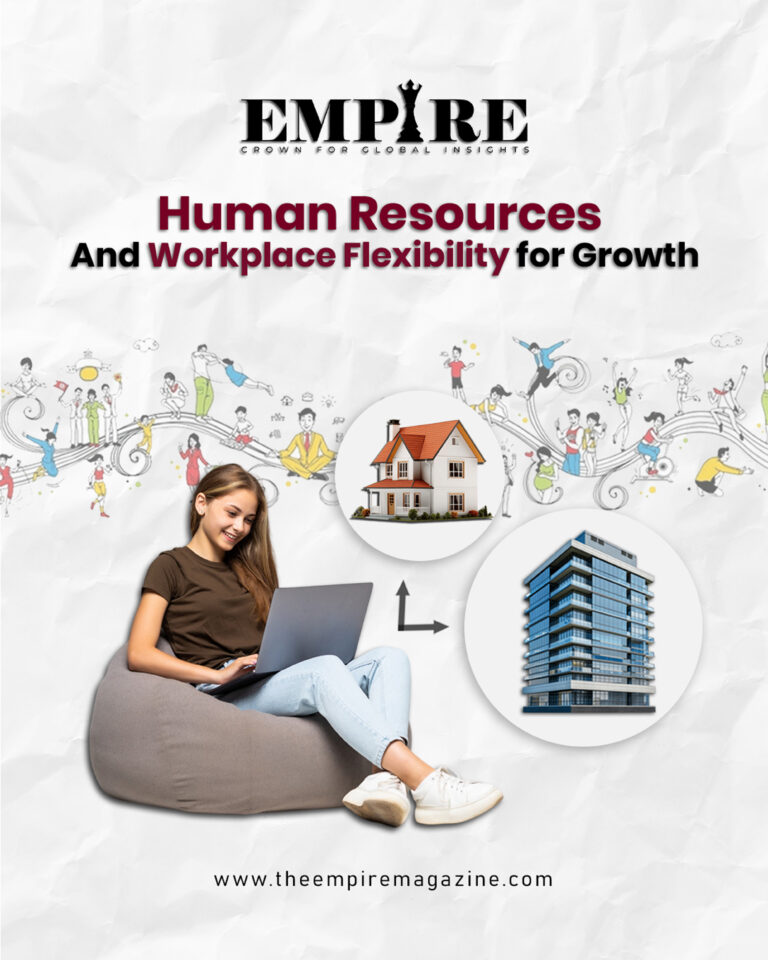
Hybrid work models require thoughtful policy design. CHROs must balance flexibility with collaboration, accountability with autonomy. They ensure organizational cohesion remains strong even when teams operate remotely.
Navigating Complex Challenges
While influence has grown, so have challenges. The Evolving Role of CHROs demands balancing executive expectations with employee advocacy.
They face:
- Budget constraints
- Legal compliance complexities
- Workforce resistance to change
- Ethical governance issues
- Global regulatory shifts
CHROs must remain agile, informed, and emotionally intelligent. Their leadership style must combine empathy with strategic clarity.
The CHRO as a Competitive Advantage
Organizations that empower HR leadership outperform those that treat it as administrative support. The Evolving Role of CHROs demonstrates that people strategy is business strategy.
A strong CHRO transforms workforce capability into competitive advantage. By aligning talent with purpose, culture with growth, and strategy with empathy, they elevate organizational resilience.
As technology, markets, and workforce expectations continue to evolve, the CHRO will play an even more critical role in shaping sustainable success.
– The Empire Magazine
Crown For Global Insights