Ethical AI in Education
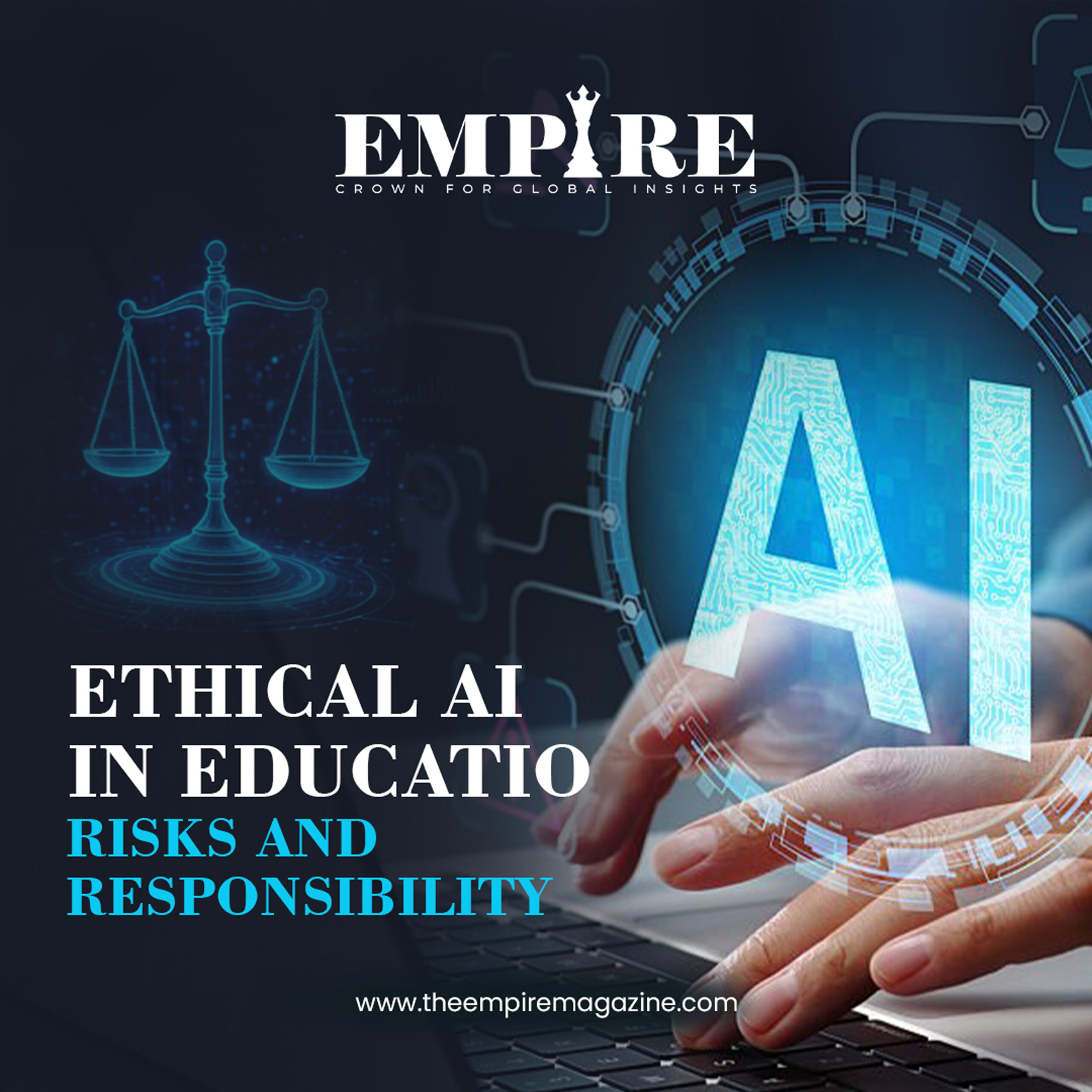
Ethical AI in Education has become one of the most important conversations shaping the future of global learning systems. Artificial Intelligence is transforming classrooms, administrative workflows, and personalized learning experiences at an unprecedented pace. From automated grading systems to adaptive tutoring platforms, AI promises efficiency, accessibility, and improved outcomes. Yet, alongside innovation arises a pressing need to address concerns around privacy, bias, consent, and the preservation of human connection.
As schools and universities integrate intelligent systems into their operations, the ethical framework guiding these tools must evolve just as rapidly as the technology itself.
The Promise and the Responsibility
AI in education offers remarkable advantages. It reduces administrative burdens, enables personalized learning paths, and provides real-time analytics that help educators identify learning gaps. Students can receive customized feedback tailored to their performance, pace, and strengths.
However, Ethical AI in Education demands that technological capability does not overshadow moral responsibility. Efficiency must not compromise student rights. Innovation must not undermine fairness. Every algorithm deployed in a classroom environment carries implications for trust and equity.
Balancing technological advancement with ethical oversight is the central challenge of this era.
Data Privacy: Protecting Student Information
AI-driven educational tools rely heavily on data collection. Academic performance metrics, attendance records, behavioral patterns, and sometimes even biometric data are gathered to refine machine learning models.
This creates a fundamental ethical question: who owns and controls this information?
Without strict governance, sensitive student data can be misused, improperly stored, or shared without informed consent. Students, particularly minors, may not fully understand the extent of data collection occurring behind digital platforms.
Ethical AI in Education requires:
- Transparent data collection policies
- Clear consent mechanisms
- Secure encryption and storage
- Defined ownership and deletion rights
Educational institutions must ensure that student privacy remains non-negotiable in the pursuit of innovation.
Algorithmic Bias and Fairness
AI systems are trained on historical datasets. If these datasets contain bias—whether related to race, gender, socioeconomic background, or geography—the system may unintentionally replicate those inequalities.
In educational settings, biased algorithms could influence grading recommendations, scholarship eligibility assessments, or student performance evaluations. Such outcomes may reinforce systemic disparities rather than correct them.
Ethical AI in Education calls for proactive auditing of algorithms, diverse training datasets, and continuous monitoring to ensure fairness. Human oversight should always remain in place to question and override automated decisions when necessary.
For a broader discussion on technology and leadership shaping ethical systems, explore this perspective:
https://theempiremagazine.com/?p=5211
Preserving the Human Touch
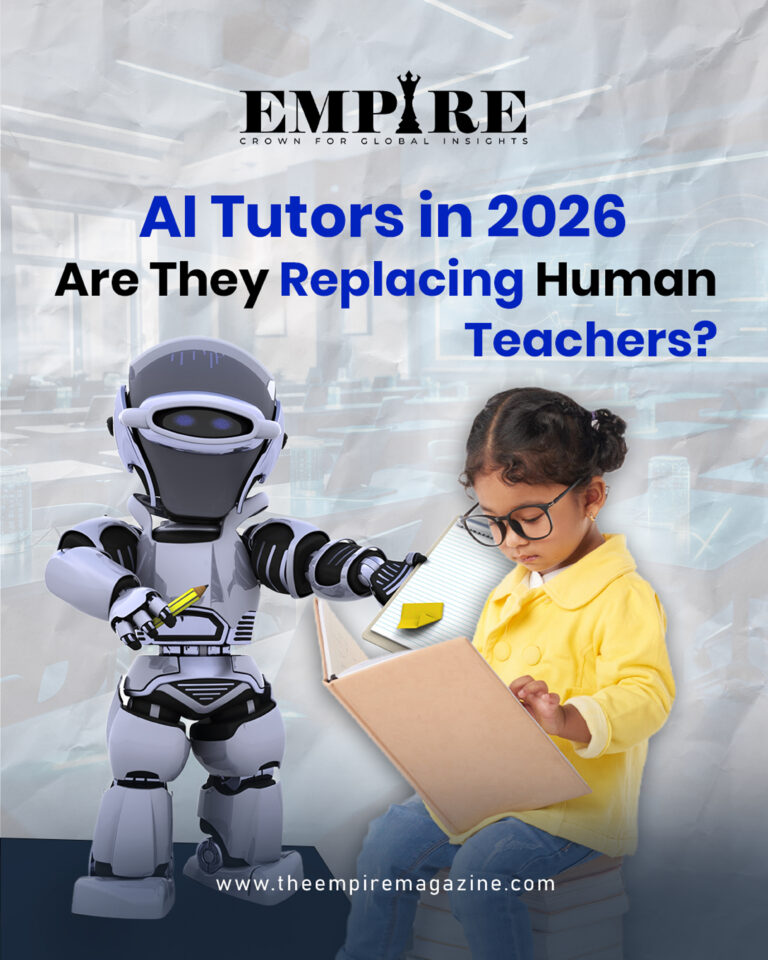
While AI can process information efficiently, it cannot replicate empathy, mentorship, or emotional intelligence. Teaching is not merely transactional—it is relational.
A teacher senses hesitation in a student’s voice, recognizes anxiety before an exam, and motivates individuals beyond academic performance. These nuances cannot be fully captured by algorithms.
Ethical AI in Education does not aim to replace educators but to support them. AI should handle repetitive administrative tasks, freeing teachers to focus on meaningful engagement, critical thinking, and character development.
Technology must enhance human interaction—not diminish it.
Consent and Student Autonomy
In many digital classrooms, AI tools are integrated without comprehensive explanations to students or parents. Consent forms are often complex and difficult to interpret, raising concerns about informed agreement.
Ethical AI in Education requires that consent be:
- Clearly communicated
- Age-appropriate
- Freely given
- Revocable at any time
Students and guardians must understand how AI tools function, what data they collect, and how decisions are made. Transparency builds trust, and trust is foundational to effective education systems.
Surveillance and Psychological Impact
With the growth of remote learning technologies, AI-driven monitoring tools have become more common. Some systems track eye movements, analyze facial expressions, or monitor screen activity to assess engagement.
While intended to maintain academic integrity, excessive surveillance can create stress and erode trust. A learning environment built on constant monitoring risks prioritizing compliance over curiosity.
Ethical AI in Education must strike a balance between accountability and psychological well-being. Surveillance practices should be limited, transparent, and proportional to their intended purpose.
The Need for AI Literacy
A significant ethical concern is the lack of AI literacy among students, teachers, and policymakers. Without understanding how AI systems operate, users may either distrust them entirely or rely on them blindly.
Digital literacy programs must evolve to include AI awareness. Students should learn how algorithms work, where bias can occur, and how to critically evaluate AI-generated outputs.
Educators also require training to assess the strengths and limitations of AI tools. Ethical implementation depends not only on technology design but on informed human stewardship.
Building an Ethical AI Ecosystem
Creating a responsible future for AI in education requires coordinated effort across multiple stakeholders. Governments, schools, technology developers, and communities must collaborate to establish standards and accountability mechanisms.
Key priorities include:
- Developing comprehensive ethical guidelines
- Mandating regular algorithm audits
- Ensuring transparency in procurement processes
- Encouraging inclusive system design
- Promoting ongoing digital education
Ethical AI in Education is not a one-time policy decision—it is a continuous commitment to fairness, privacy, and humanity.
Conclusion
Artificial Intelligence holds extraordinary potential to transform education systems worldwide. It can expand access, personalize learning, and enhance operational efficiency. Yet, innovation without ethics risks undermining the very purpose of education: empowering individuals with knowledge, dignity, and critical thinking.
Ethical AI in Education must remain the guiding principle as schools and institutions adopt intelligent systems. Protecting data privacy, addressing bias, preserving human relationships, and fostering transparency will determine whether AI becomes a force for inclusion or inequality.
The future classroom should be technologically advanced—but fundamentally human.
– The Empire Magazine
Crown For Global Insights