Introduction: A New Era of Intelligent Learning
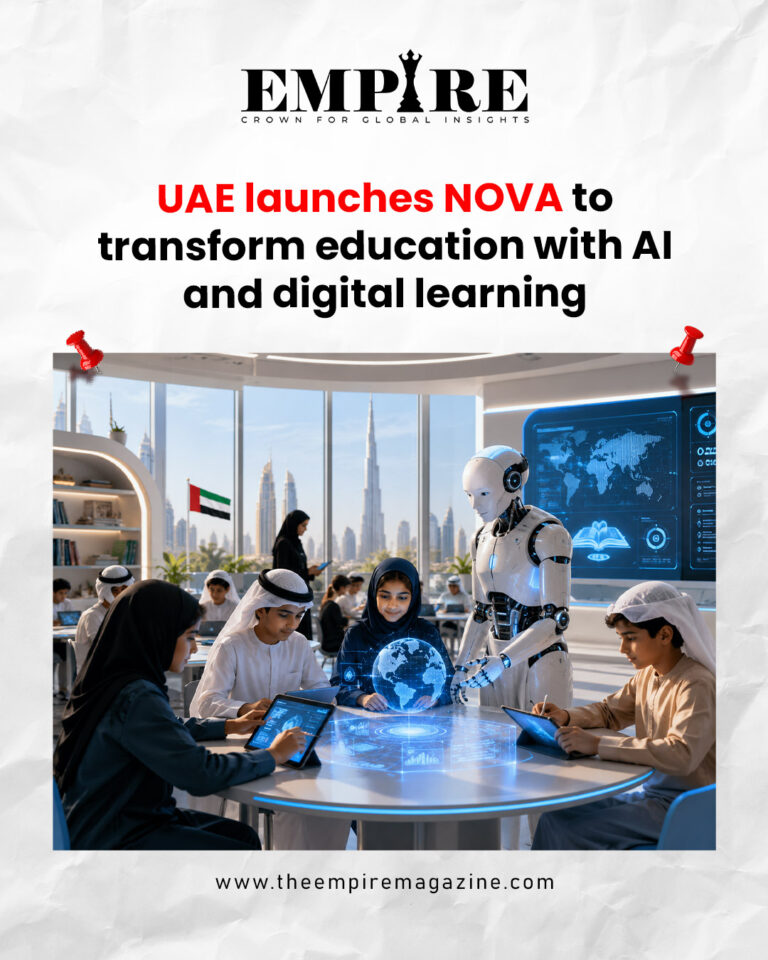
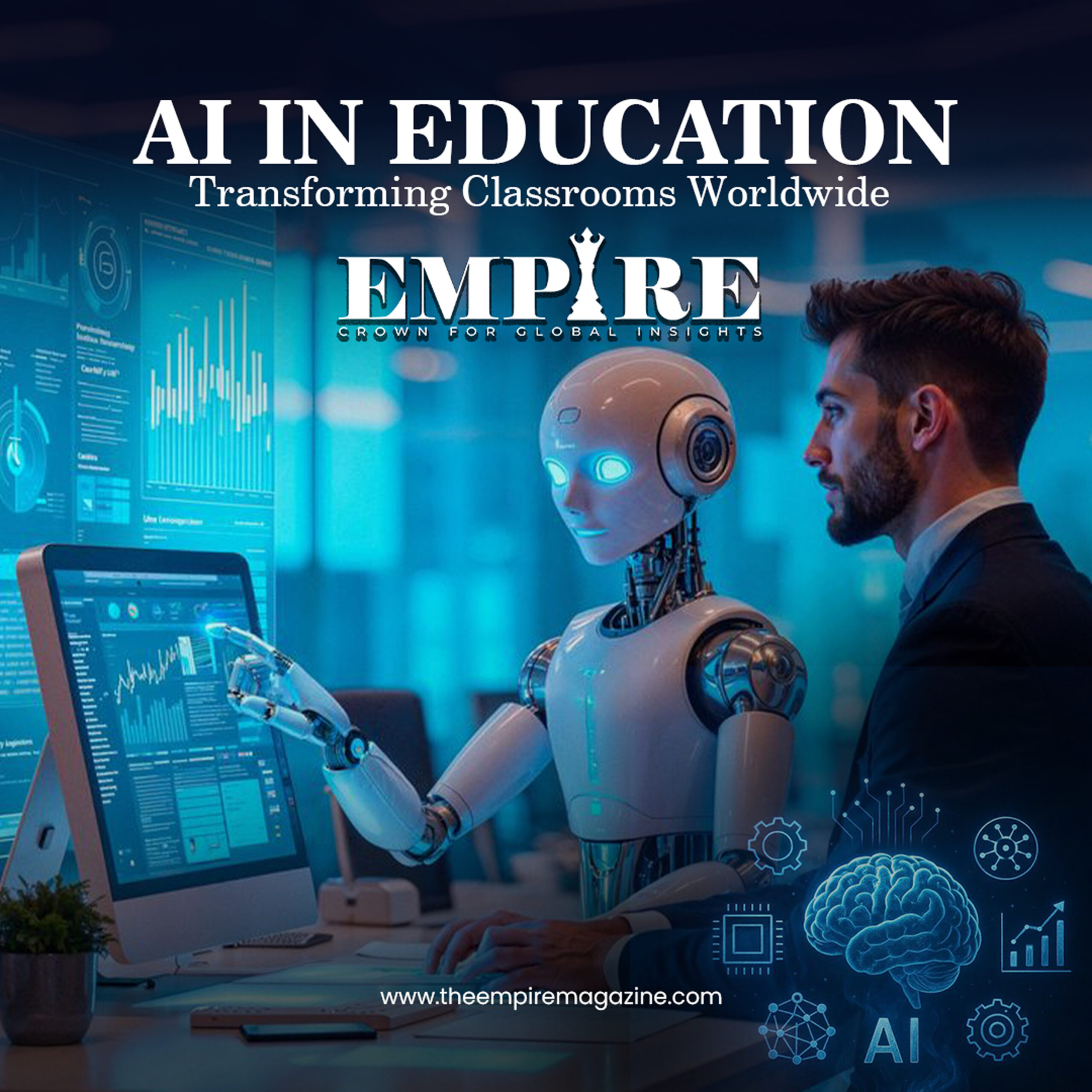
The global education system is experiencing a historic shift. Classrooms that once relied on textbooks, chalkboards, and standardized methods are now evolving into dynamic, data-driven environments. At the center of this transformation is AI in Education, a technological advancement that is redefining how students learn, how teachers teach, and how institutions operate.
Artificial intelligence is no longer a futuristic concept. It is actively reshaping learning environments across schools, universities, and professional training systems. From adaptive learning platforms to predictive analytics and automated assessments, AI is becoming a strategic partner in modern education.
As institutions worldwide integrate intelligent systems, the future of learning is becoming more personalized, efficient, and inclusive than ever before.
The Rise of AI in Education
Over the past decade, investment in education technology has grown rapidly. Artificial intelligence has moved from experimental pilots to mainstream implementation. Universities such as MIT and Stanford are leveraging AI-driven tools to enhance curriculum delivery, while governments are building national strategies around digital learning ecosystems.
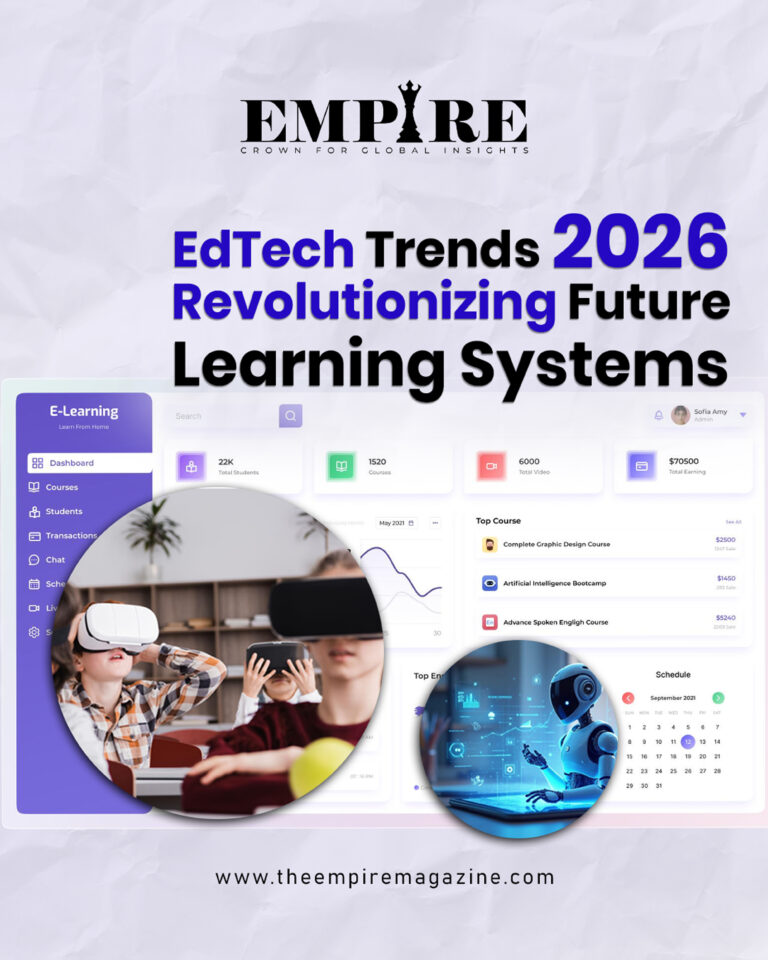
AI-powered platforms now analyze student performance in real time, track engagement patterns, and recommend tailored study paths. Unlike traditional systems that apply the same pace and method to all learners, AI in Education adapts to individual needs, strengths, and challenges.
This marks a significant departure from one-size-fits-all instruction.
Personalized Learning at Scale
One of the most powerful contributions of AI in Education is personalization.
Every student learns differently. Some grasp concepts quickly through visuals, while others require repetition or practical application. AI systems analyze behavioral data, quiz responses, and time spent on tasks to customize learning pathways.
For example:
- Adaptive platforms adjust lesson difficulty automatically.
- AI tutors provide instant feedback on assignments.
- Intelligent dashboards identify weak areas before exams.
This level of personalization was previously impossible in large classrooms. Today, it is scalable and data-driven.
Redefining the Role of Teachers
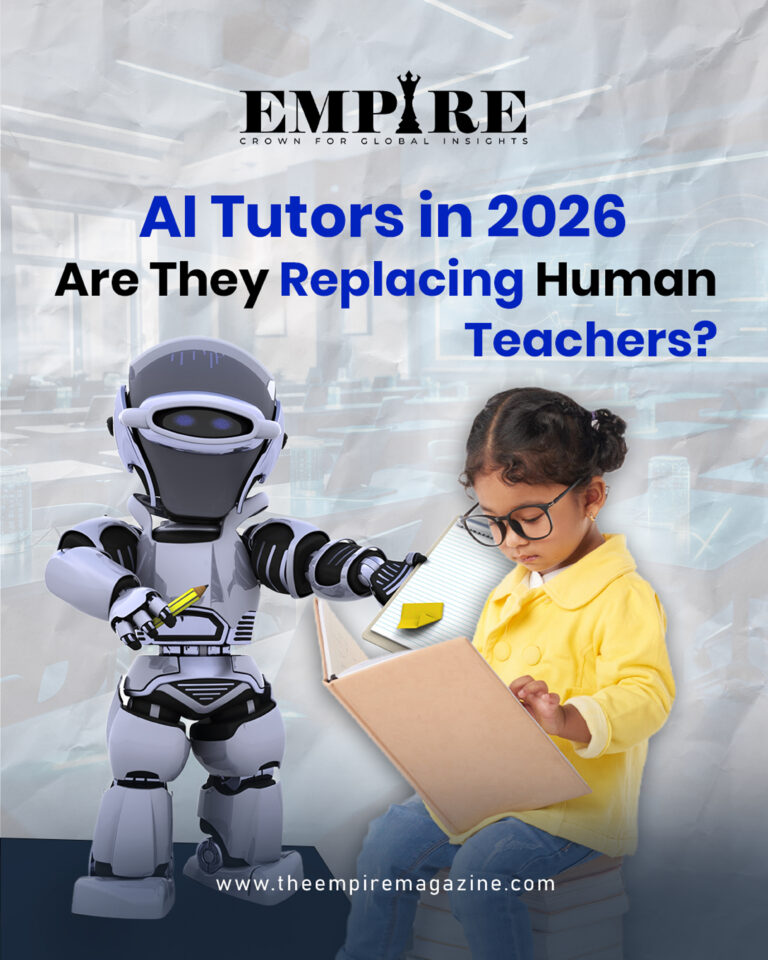
Contrary to common fears, AI in Education is not replacing educators. Instead, it is strengthening their impact.
AI automates administrative tasks such as grading, attendance tracking, and progress reporting. This allows teachers to dedicate more time to mentorship, creativity, and emotional support.
Predictive analytics also helps educators identify students who may be at risk of falling behind. Instead of reacting to failure, teachers can intervene early, improving outcomes and reducing dropout rates.
The teacher of the future is not replaced by technology. They are empowered by it.
Intelligent Classrooms and Smart Systems
Modern classrooms are becoming intelligent ecosystems.
AI-integrated tools now include:
- Voice recognition software for accessibility
- Real-time language translation for multicultural classrooms
- Engagement monitoring systems
- Automated content recommendations
These technologies create environments that respond dynamically to student needs.
The concept of the intelligent classroom is no longer theoretical. It is operational in schools across Europe, Asia, and North America.
Ethics, Privacy, and Responsible AI
While AI in Education offers transformative benefits, it also raises important ethical questions.
Data privacy is a critical concern. AI systems rely on large volumes of student data, which must be protected with strict governance frameworks.
Bias in algorithms is another challenge. If AI models are trained on limited datasets, they may unintentionally reinforce inequalities. This makes transparent auditing and inclusive design essential.
Educational leaders must ensure that innovation is guided by ethical standards, inclusivity, and fairness.
Bridging the Digital Divide
AI has the power to democratize education, but only if access is equitable.
In many regions, limited internet connectivity and device availability remain barriers. International initiatives are working to address this gap by developing low-bandwidth AI tools and offline learning modules.
When implemented thoughtfully, AI in Education can expand opportunities for underserved communities and reduce global learning disparities.
Lifelong Learning and Workforce Readiness
Education no longer ends at graduation.
AI-driven platforms support continuous learning by recommending courses, identifying skill gaps, and aligning training with market demand. This is particularly important in a rapidly changing workforce shaped by automation and digital transformation.
Corporate learning systems now use AI to map employee competencies and create customized development plans.
The result is a culture of lifelong learning powered by intelligent systems.
Global Innovation in Action
Across the world, AI adoption in education is accelerating:
- Finland has launched AI literacy programs for citizens.
- India’s NEAT initiative connects students with adaptive platforms.
- African institutions are deploying AI-powered offline tablets in remote schools.
These examples demonstrate that AI in Education is not limited to elite institutions. It is becoming a global movement.
For further insight into how technology and innovation are reshaping global systems, explore our related feature here:
👉 https://theempiremagazine.com/?p=5143
– The Empire Magazine
Crown For Global Insights