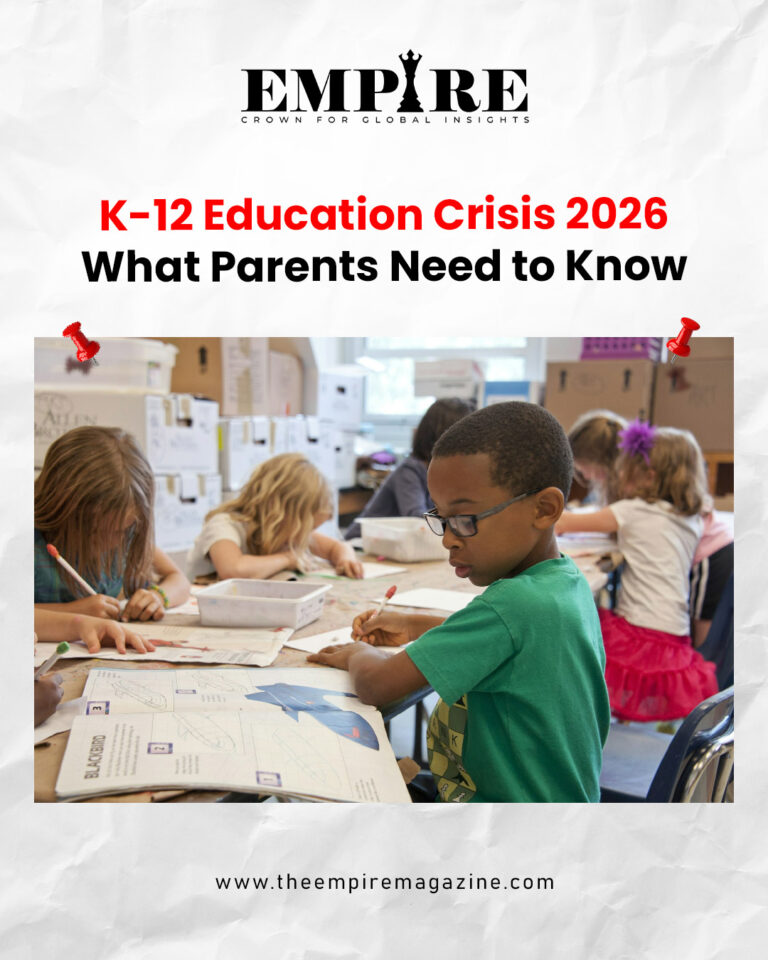
Education Transformation is no longer a distant ambition—it is an urgent global necessity. In an age defined by digital disruption, climate change, economic uncertainty, and rapid technological innovation, the traditional education system stands at a crossroads. What was once designed during the industrial era is no longer sufficient to prepare learners for a complex and unpredictable future.
At The Empire Magazine, we believe Education Transformation must be viewed not only as policy reform but as a human right, a tool for equity, and the foundation of sustainable development.
The Legacy System: Still Anchored in the Past
Despite decades of reform, much of global education remains rooted in a 19th-century factory model. Standardized testing, rigid timetables, and uniform curricula prioritize memorization over critical thinking and compliance over creativity.
Education Transformation demands a shift from outdated systems toward modern, learner-centered models that nurture curiosity, adaptability, and innovation.
Preparing students for tomorrow with yesterday’s framework risks limiting an entire generation’s potential.
The Relevance Gap
A widening skills gap highlights why Education Transformation is critical. Employers report difficulty finding talent equipped with digital literacy, collaboration skills, emotional intelligence, and problem-solving abilities.
At the same time, youth unemployment remains high.
This contradiction reveals that education systems are not aligned with evolving economic realities. Modern education must prioritize:
- Creativity
- Digital fluency
- Financial literacy
- Entrepreneurship
- Civic awareness
Without Education Transformation, this gap will only expand.
Equity and Access: The Core of Education Transformation
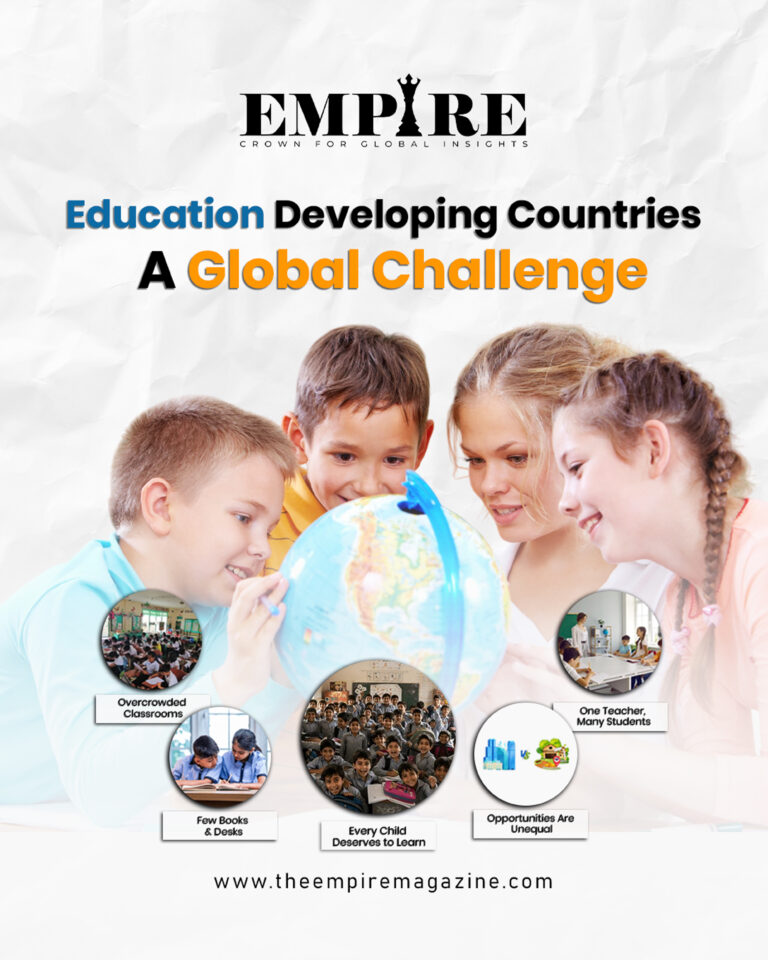
The pandemic exposed deep inequalities in access to learning. While some students seamlessly transitioned to online platforms, millions were left behind due to lack of internet, devices, or supportive infrastructure.
True Education Transformation must ensure:
- Universal digital access
- Inclusive policies
- Gender equity
- Support for marginalized communities
Technology can be an equalizer—but only if access is inclusive and equitable.
Skills Over Scores
Education Transformation requires moving from content-heavy instruction to competency-based learning. Students must be prepared for careers that may not yet exist.
Innovative systems around the world are embracing:
- Project-based learning
- Interdisciplinary collaboration
- Real-world simulations
- Personalized learning pathways
AI and data-driven platforms can support personalization, but ethical use and teacher empowerment remain essential.
Teachers at the Center of Education Transformation
No reform can succeed without supporting educators. Education Transformation requires teachers to evolve from content deliverers to mentors, facilitators, and lifelong learners.
However, burnout, low pay, and systemic pressure threaten this shift.
Investing in teacher training, well-being, and professional development must be central to meaningful Education Transformation.
Mental Health and Education
Education Transformation must also address student well-being. Academic pressure, social comparison, and digital overload have intensified youth anxiety and depression worldwide.
Progressive schools are incorporating social-emotional learning (SEL) to build resilience, empathy, and emotional intelligence.
Education must nurture the whole person—not just academic performance.
Sustainability and Purpose
In a climate-challenged world, Education Transformation must integrate sustainability education across disciplines.
Students deserve to understand:
- Environmental systems
- Global citizenship
- Ethical responsibility
- Long-term impact
Learning should not only prepare students for employment—it should empower them with purpose.
For further insights on leadership and purpose-driven change, explore this related article:
👉 https://theempiremagazine.com/?p=5125&preview=true
Technology: A Tool, Not a Replacement
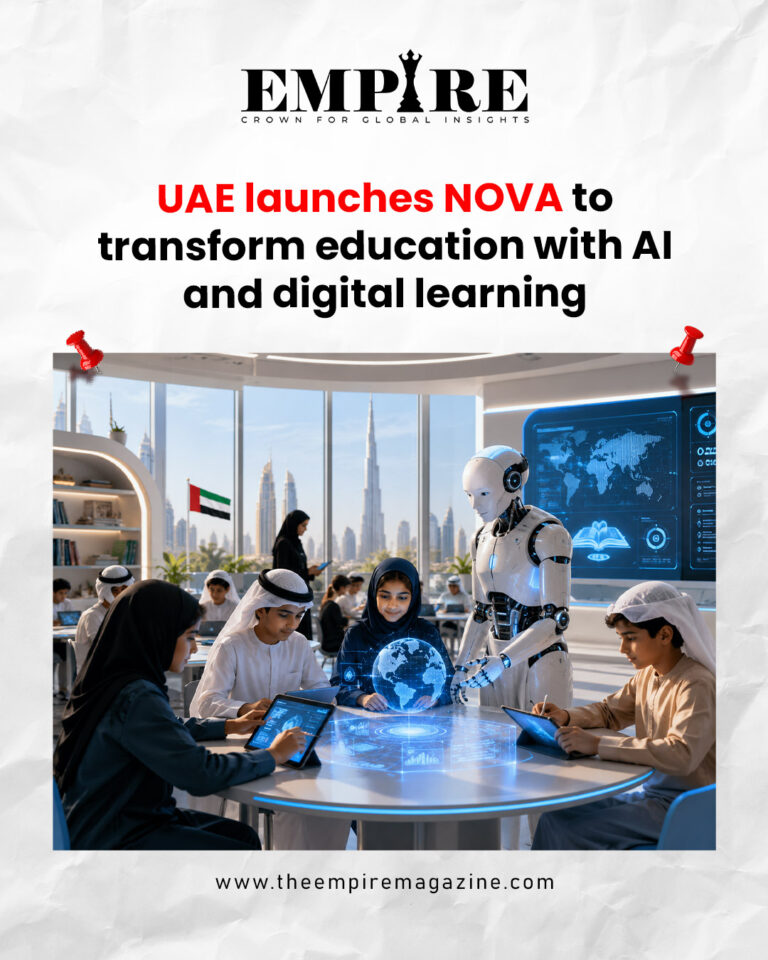
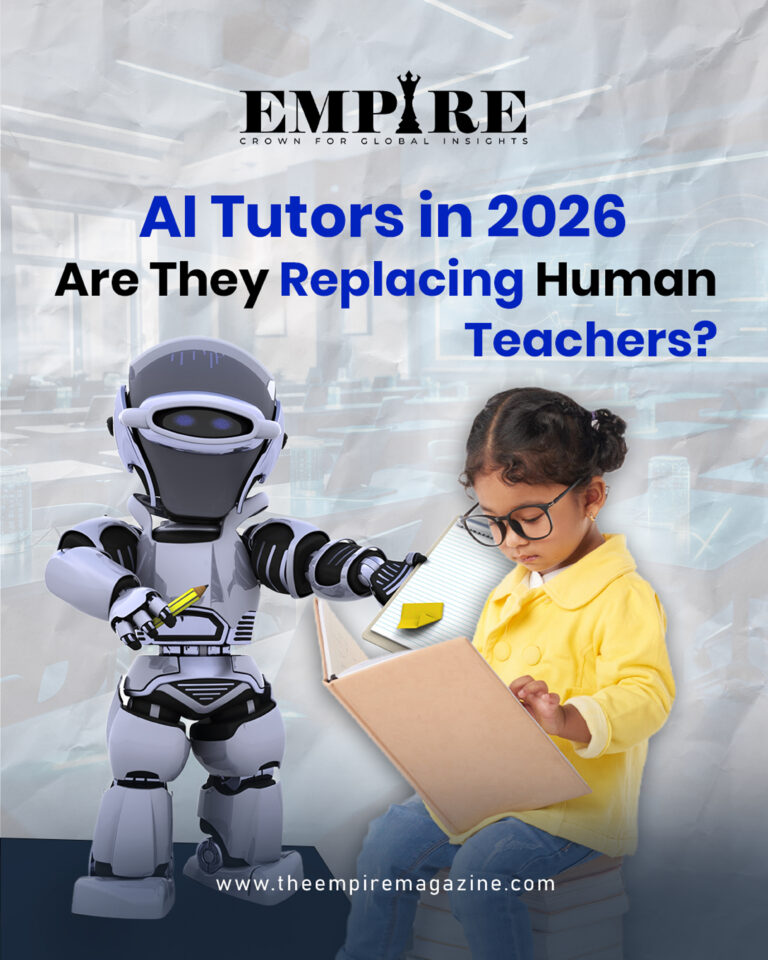
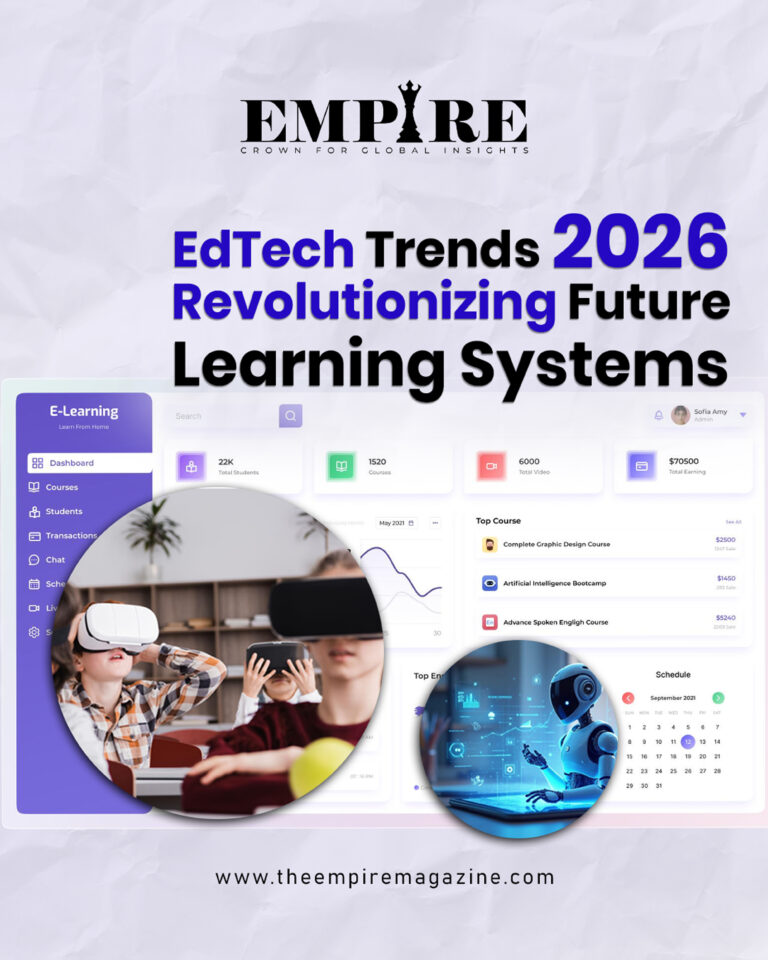
EdTech innovation—from AI tutors to gamified learning apps—offers significant opportunities. But Education Transformation must maintain a balance between digital tools and human connection.
Technology should enhance critical thinking and relationships, not replace them.
Emerging Models of Change
Across the globe, institutions are experimenting with bold ideas:
- Project-based global universities
- Sustainability-focused schools
- Low-cost access models for underserved communities
- Free digital learning platforms
These initiatives prove that Education Transformation is possible when innovation meets intention.
A Shared Responsibility
Education Transformation is not the responsibility of schools alone. Governments, private sectors, civil society, and families must collaborate to redesign learning systems.
Investment in infrastructure, teacher training, digital access, and inclusive policies will determine whether reform becomes reality.
The world has changed. Education must change with it.
– The Empire Magazine
Crown For Global Insights