
Sleep and Mental Health: The Missing Link to Wellbeing
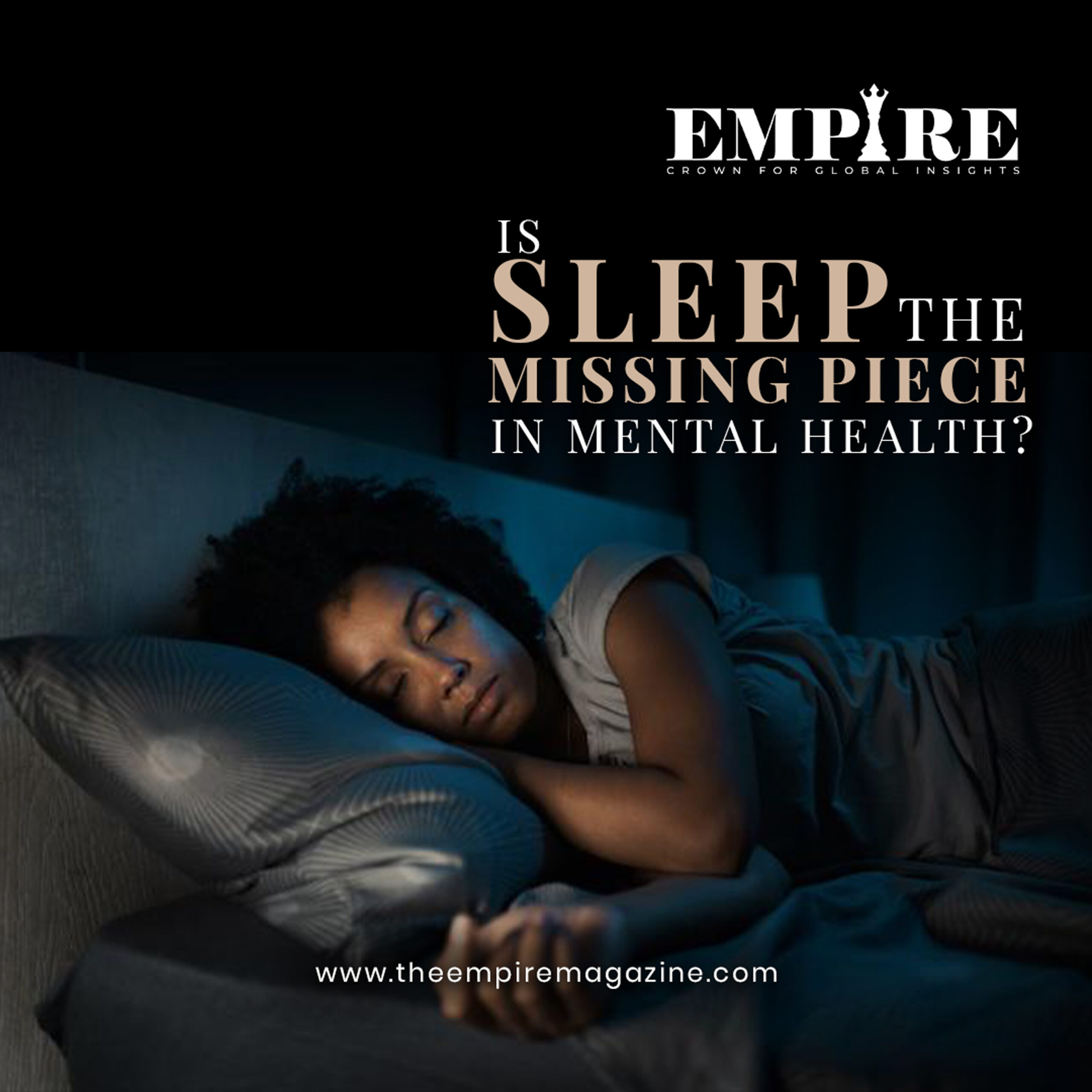
Sleep is often treated as a luxury in today’s fast-paced world. People prioritize deadlines, responsibilities, and social commitments, often sacrificing rest in the process. Yet science increasingly confirms that sleep and mental health are deeply connected. Sleep is not merely a period of physical inactivity; it is a critical biological process that supports emotional regulation, cognitive clarity, and psychological resilience.
As modern life becomes more demanding, sleep disorders and mental health concerns are rising simultaneously. The question many experts are now asking is simple: Is sleep the missing piece in mental health?
The Two-Way Connection Between Sleep and Mental Health
The relationship between sleep and mental health works in both directions. Poor sleep can increase vulnerability to anxiety, depression, and mood instability. At the same time, mental health challenges often disrupt sleep patterns, creating a cycle that becomes difficult to break.
When sleep is disrupted, the brain struggles to regulate emotions effectively. Small frustrations may feel overwhelming, focus becomes impaired, and stress levels rise. Neurobiological research shows that sleep deprivation affects areas of the brain responsible for emotional control, including the amygdala and prefrontal cortex.
Conversely, individuals experiencing anxiety or depression often report insomnia, restless sleep, or early morning awakenings. This creates a feedback loop where lack of sleep worsens mental distress, and mental distress further disrupts sleep.
Understanding this interconnected cycle is essential for improving overall well-being.
Sleep Deprivation vs. Insomnia
It is important to distinguish between sleep deprivation and insomnia.
Sleep deprivation typically results from external factors such as long work hours, parenting responsibilities, travel, or lifestyle choices. The body is ready to sleep, but circumstances prevent adequate rest.
Insomnia, however, is often internally driven. Even when there is sufficient time to sleep, stress, racing thoughts, or emotional tension prevent rest. Over time, this condition can become chronic and deeply linked to mental health challenges.
Recognizing the difference allows individuals to address the root cause more effectively.
How Sleep Cycles Support Emotional Processing
Sleep occurs in cycles that repeat throughout the night. Each cycle includes light sleep, deep sleep, and rapid eye movement (REM) sleep. Deep sleep supports physical restoration, while REM sleep plays a crucial role in emotional processing and memory integration.
During REM sleep, the brain processes experiences from the day, organizes memories, and reduces emotional intensity associated with stressful events. This explains why situations often feel more manageable after a good night’s sleep.
Without adequate REM cycles, emotional resilience declines. Stress accumulates rather than being processed. Over time, chronic sleep disruption can significantly impact mental stability.
Tiredness Is Not the Same as Sleepiness
Many people confuse tiredness with sleepiness. Tiredness refers to fatigue or low energy, while sleepiness is the natural physiological drive to fall asleep.
People experiencing insomnia often feel exhausted but mentally alert. Their bodies crave rest, yet their minds remain active. This disconnect can lead to frustration, which further intensifies wakefulness.
Understanding this distinction can help individuals avoid forcing sleep and instead focus on building consistent routines that encourage natural rest.
Circadian Rhythm and Modern Challenges
The body operates on a circadian rhythm, a 24-hour internal clock influenced by light exposure. Melatonin, the hormone that regulates sleep, rises in the evening and falls in the morning.
However, modern lifestyles disrupt this rhythm. Exposure to blue light from phones and computers delays melatonin production. Late-night screen use can trick the brain into believing it is still daytime, making it harder to fall asleep.
Shift work, irregular schedules, and travel across time zones also disturb circadian patterns. Over time, these disruptions can increase susceptibility to mood disorders.
Sleep and Stress Management
Quality sleep is one of the most powerful stress regulators available. During deep sleep, the body lowers cortisol levels, the hormone associated with stress. Adequate rest improves emotional regulation, allowing individuals to respond calmly rather than react impulsively.
When sleep is insufficient, cortisol remains elevated. This chronic stress state can contribute to anxiety, irritability, and long-term mental health concerns.
Prioritizing sleep is not an indulgence—it is a preventive mental health strategy.
Practical Steps to Improve Sleep and Mental Health
Improving sleep often requires small but consistent lifestyle adjustments:
- Maintain a consistent wake-up time, even on weekends
- Limit screen exposure at least one hour before bedtime
- Create a calm, dark, and quiet sleep environment
- Get natural sunlight exposure in the morning
- Avoid heavy meals and caffeine late in the evening
- Practice relaxation techniques such as breathing exercises or meditation
These habits gradually reinforce healthy circadian rhythms and emotional stability.
When to Seek Professional Help
Occasional sleep disruption is normal. However, persistent insomnia lasting several weeks may require professional support.
Cognitive Behavioral Therapy for Insomnia (CBT-I) is widely recognized as an effective treatment. It addresses both behavioral patterns and anxious thoughts about sleep, helping individuals break the cycle of sleeplessness.
If sleep issues significantly affect daily functioning, seeking medical advice is important.
Global Context and Stress Awareness
Global events and societal pressures can also affect sleep patterns. For example, geopolitical tensions, economic uncertainty, or travel disruptions can elevate stress levels worldwide. Readers interested in understanding how global instability affects daily life can explore our related analysis on international developments:
https://theempiremagazine.com/iran-war-impact-on-global-travel-aviation-disruptions/
External stressors influence mental health—and sleep is often the first casualty.
The Missing Link in Well-Being
Increasing evidence suggests that sleep may indeed be the missing piece in many mental health conversations. While therapy, medication, and lifestyle adjustments remain essential, sleep provides the biological foundation for emotional resilience.
Without adequate rest, even the best coping strategies lose effectiveness. With consistent and restorative sleep, the brain gains the strength to process emotions, manage stress, and maintain clarity.
The connection between sleep and mental health is not coincidental. It is biological, psychological, and deeply human.
Prioritizing sleep may be one of the simplest yet most transformative steps toward improved mental well-being.
– The Empire Magazine
Crown For Global Insights