Rise of Online Learning Across Countries Worldwide
Rise of Online Learning Across Countries is one of the most transformative shifts in modern education. Over the past decade, digital platforms, internet accessibility, and evolving learning needs have reshaped how knowledge is delivered and consumed worldwide. Today, education is no longer confined to classrooms; it is accessible anytime, anywhere, and for anyone with an internet connection.
This global movement has impacted students, professionals, and institutions alike. From school education to professional training, online learning is redefining traditional systems and creating new pathways for growth, skill development, and global collaboration.
The Growth of Digital Education
The rapid expansion of online learning has been fueled by advancements in technology. High-speed internet, smartphones, and digital tools have made it easier for learners to access educational content across borders.
Countries around the world have embraced this change. Developed nations have integrated online platforms into formal education systems, while developing countries are using digital learning to overcome infrastructure limitations. This shift has allowed millions of learners to access quality education that was previously out of reach.
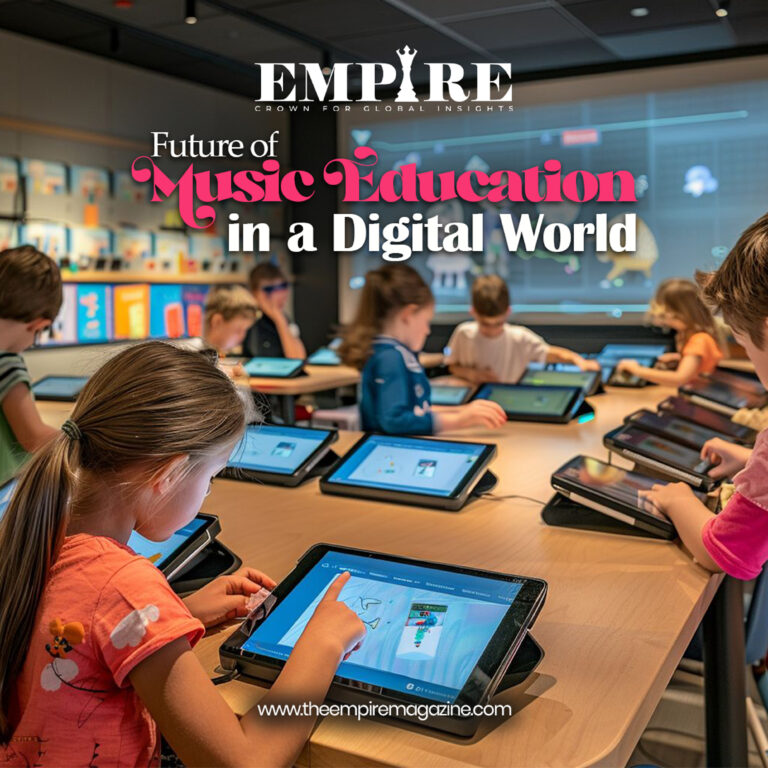
Educational institutions are also adapting by offering online courses, virtual classrooms, and hybrid learning models. This flexibility enables students to learn at their own pace while balancing other responsibilities.
Accessibility and Inclusivity
One of the most significant benefits of the Rise of Online Learning Across Countries is increased accessibility. Traditional education systems often face barriers such as location, cost, and limited resources. Online learning helps overcome these challenges by providing affordable and flexible options.
Students in remote or underserved areas can now access high-quality educational content without relocating. Similarly, working professionals can continue their education while maintaining their careers.
Online learning also supports inclusivity by catering to diverse learning needs. Features such as recorded lectures, subtitles, and interactive tools make education more accessible to individuals with different abilities and learning styles.
Flexibility in Learning
Flexibility is a key factor driving the popularity of online education. Unlike traditional classrooms, online learning allows individuals to choose when and how they study.
This is especially beneficial for professionals who want to upgrade their skills without taking a break from work. It also supports lifelong learning, enabling individuals to continuously improve their knowledge and adapt to changing job markets.
Students can revisit lessons, learn at their own pace, and customize their learning experience. This personalized approach enhances understanding and retention.
Impact on Global Workforce
The Rise of Online Learning Across Countries has a direct impact on the global workforce. As industries evolve, there is a growing demand for new skills and knowledge.
Online platforms offer courses in various fields, including technology, business, healthcare, and creative industries. This allows individuals to acquire relevant skills quickly and efficiently.
Employers are increasingly recognizing online certifications and skills-based learning. This shift is changing hiring practices, with a greater focus on practical skills rather than traditional degrees.
Online learning also promotes global collaboration. Learners from different countries can interact, share ideas, and work together, creating a more connected and diverse workforce.
Role of Technology in Online Learning
Technology plays a crucial role in the success of online education. Tools such as video conferencing, learning management systems, and artificial intelligence are enhancing the learning experience.
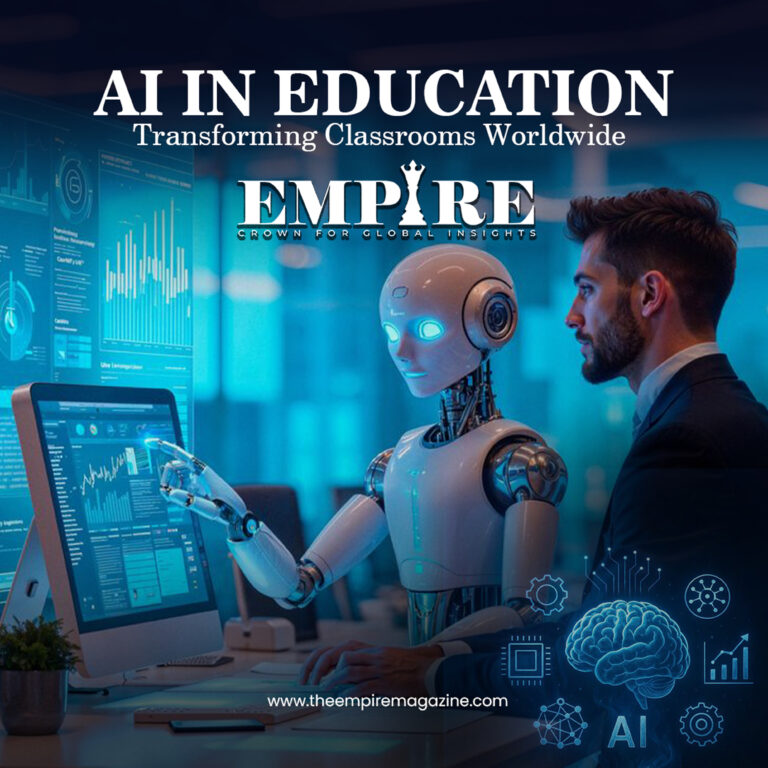
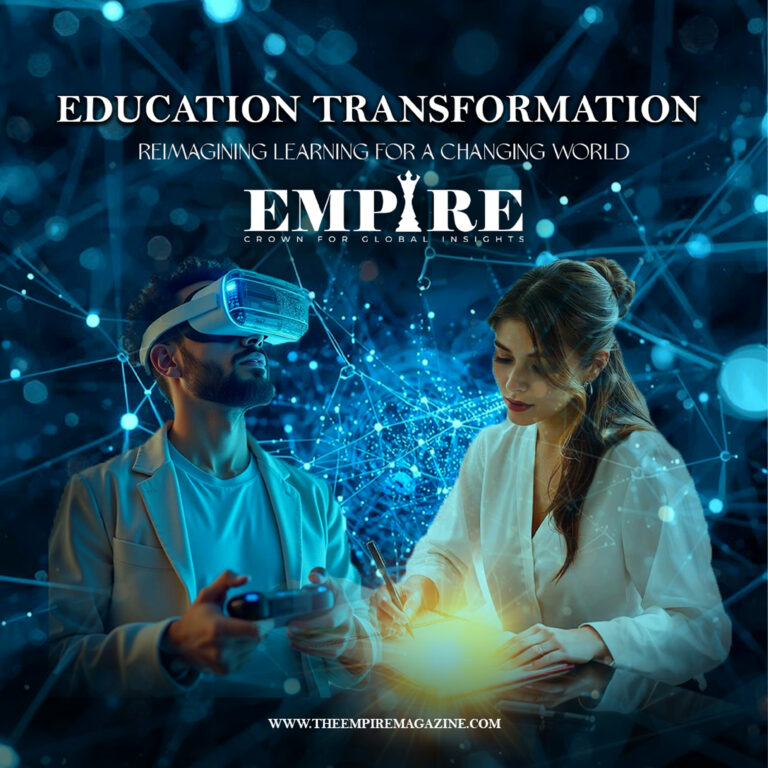
Artificial intelligence is being used to personalize learning paths, recommend courses, and provide real-time feedback. Virtual reality and augmented reality are also being explored to create immersive learning environments.
These innovations make online learning more engaging and effective. They also help bridge the gap between theoretical knowledge and practical application.
Challenges of Online Learning
Despite its advantages, the Rise of Online Learning Across Countries comes with challenges. One of the main concerns is the digital divide. Not all individuals have access to reliable internet or devices, which can limit their ability to participate in online education.
Another challenge is maintaining student engagement. Without face-to-face interaction, some learners may find it difficult to stay motivated and focused.
Quality assurance is also important. With the increasing number of online courses, ensuring the credibility and effectiveness of educational content is essential.
Additionally, online learning requires self-discipline and time management skills. Not all learners are comfortable with this level of independence.
The Future of Online Education
The future of online learning looks promising. As technology continues to evolve, digital education will become more advanced, interactive, and accessible.
Hybrid learning models, which combine online and offline methods, are expected to become more common. This approach offers the benefits of both traditional and digital education.
Governments and institutions are also investing in digital infrastructure and policies to support online learning. This will help expand access and improve the quality of education worldwide.
To explore more insights on global trends and education, visit:
https://theempiremagazine.com/?p=5655&preview=true
Follow us for more insights:
Instagram: https://www.instagram.com/the_empire_magazine/
Facebook: https://www.facebook.com/profile.php?id=61573749076160
– The Empire Magazine
Crown For Global Insights