Retail Data Personalization Enhances Customer Experience
Introduction to Retail Data Personalization
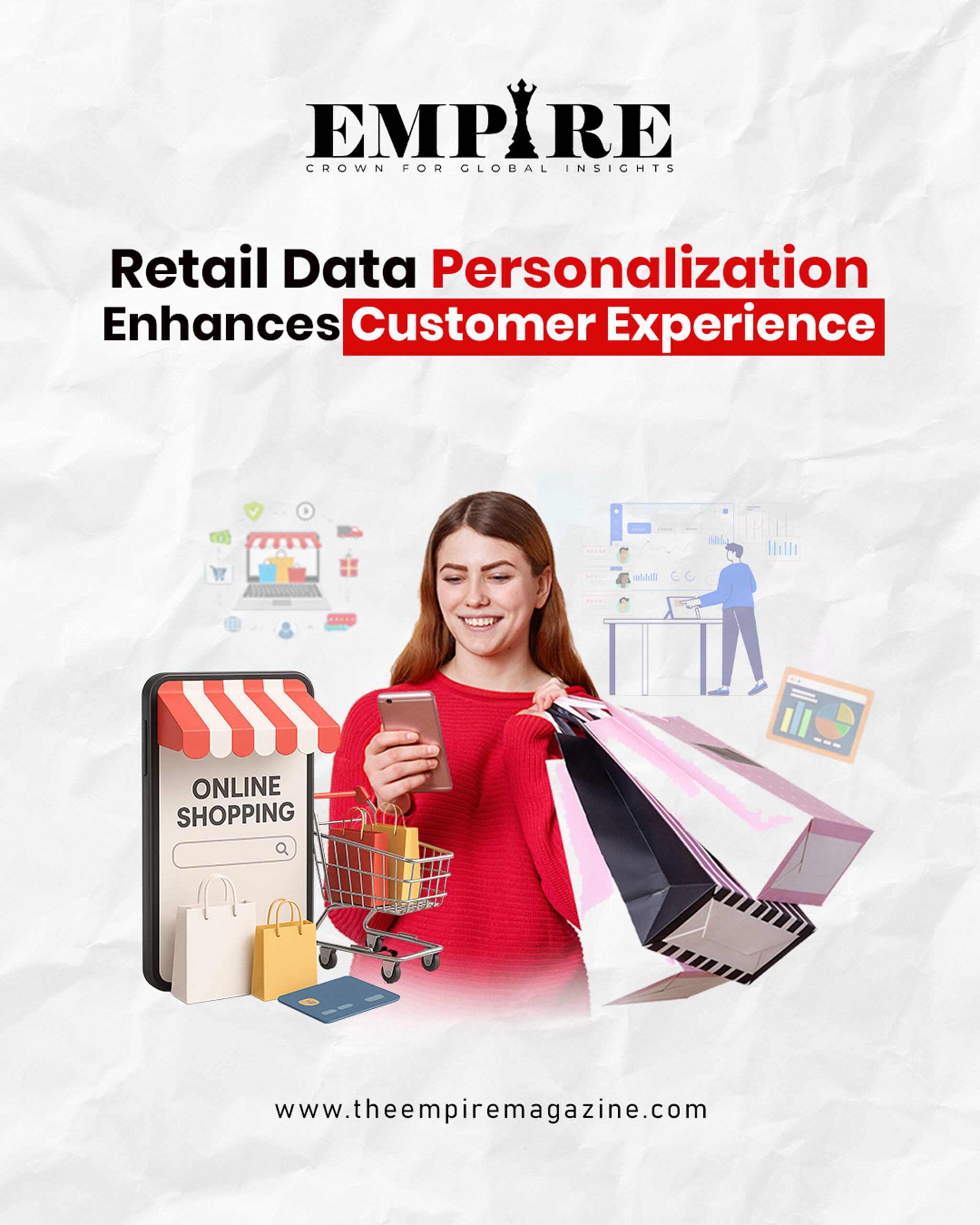
The rise of Retail Data Personalization is transforming how brands interact with customers in today’s competitive marketplace. Retailers are no longer relying on generic marketing strategies. Instead, they are using data-driven insights to create personalized shopping experiences that match individual preferences and behaviors.
Consumers today expect brands to understand their needs and deliver relevant recommendations. This shift has made Retail Data Personalization a key strategy for improving customer satisfaction, increasing engagement, and driving long-term loyalty.
As digital technology continues to evolve, personalization is becoming more advanced, allowing retailers to deliver meaningful and highly targeted experiences across both online and offline channels.
The Importance of Consumer Data in Personalization
At the core of Retail Data Personalization is the use of consumer data. Retailers collect and analyze data such as purchase history, browsing behavior, and customer preferences to better understand their audience.
By leveraging this data, businesses can create personalized offers, product recommendations, and marketing messages that resonate with individual customers.
When customers receive relevant experiences, they are more likely to engage with the brand and make repeat purchases. This not only improves customer satisfaction but also increases overall business performance.
Data-driven personalization enables retailers to move beyond guesswork and make informed decisions based on real customer insights.
Understanding Customer Behavior and Preferences
A key element of Retail Data Personalization is understanding how customers behave and what they prefer.
Retailers analyze patterns such as:
- Shopping frequency
- Product preferences
- Spending habits
- Interaction with marketing campaigns
These insights help businesses create more meaningful customer experiences.
For example, personalized email campaigns, targeted promotions, and customized recommendations can significantly improve engagement.
When customers feel understood, they are more likely to trust the brand and continue their relationship with it.
Predictive Analytics and Personalized Experiences
Predictive analytics plays a crucial role in Retail Data Personalization by helping retailers anticipate customer needs.
Using advanced data analysis, retailers can predict future behaviors based on past actions. This allows them to deliver personalized experiences before customers even express their needs.
For example:
- Suggesting products based on previous purchases
- Offering discounts at the right time
- Recommending complementary items
These strategies make the shopping experience more convenient and enjoyable.
Predictive analytics not only improves customer satisfaction but also increases conversion rates and sales performance.
The Role of Artificial Intelligence in Retail
Artificial intelligence has become a powerful tool in Retail Data Personalization.
AI enables retailers to process large volumes of data in real time, allowing them to deliver instant and accurate recommendations.
Some key benefits of AI in retail include:
- Real-time product suggestions
- Automated customer segmentation
- Personalized marketing campaigns
- Improved customer support
AI-driven personalization ensures that customers receive relevant content and offers, enhancing their overall experience.
As technology continues to advance, AI will play an even greater role in shaping the future of retail.
In-Store Technologies Enhancing Personalization
Retail Data Personalization is not limited to online shopping—it is also transforming in-store experiences.
Modern retail environments use technology to create personalized interactions, such as:
- Smart displays with product recommendations
- Mobile-based offers triggered by location
- Interactive digital experiences
- Personalized promotions through QR codes
These innovations bridge the gap between physical and digital shopping, creating a seamless customer journey.
By integrating technology into stores, retailers can deliver consistent and personalized experiences across all touchpoints.
Addressing Privacy and Data Concerns
While Retail Data Personalization offers many benefits, it also raises important questions about data privacy.
Customers want personalized experiences, but they also expect transparency and control over how their data is used.
Retailers must:
- Clearly communicate data usage policies
- Provide opt-in options for data sharing
- Ensure secure data handling practices
Building trust is essential for successful personalization.
When customers feel confident about data privacy, they are more willing to share information, enabling better personalization.
Impact of Personalization on Customer Loyalty
One of the biggest advantages of Retail Data Personalization is its impact on customer loyalty.
Personalized experiences make customers feel valued, leading to stronger emotional connections with brands.
Benefits include:
- Higher customer retention
- Increased repeat purchases
- Improved brand trust
- Greater customer lifetime value
When personalization is done effectively, it creates a competitive advantage that is difficult for competitors to replicate.
Real-World Applications of Personalization
Retailers are successfully using Retail Data Personalization to drive results.
Examples include:
- Customized product recommendations
- Personalized email campaigns
- Targeted promotions based on behavior
- Data-driven loyalty programs
These strategies demonstrate how data can be used to create meaningful and engaging customer experiences.
Businesses that implement personalization effectively are more likely to achieve sustainable growth.
Strategic Leadership in Data-Driven Retail
The success of Retail Data Personalization depends on strong leadership and strategic decision-making.
Retail leaders must understand how to use data effectively while balancing innovation with customer trust.
A deeper understanding of data-driven leadership can be explored here: https://theempiremagazine.com/?p=5538&preview=true
Strategic planning ensures that personalization efforts align with business goals and deliver measurable results.
The Future of Retail Data Personalization
The future of Retail Data Personalization is driven by continuous innovation.
Emerging technologies such as AI, machine learning, and real-time analytics will further enhance personalization capabilities.
Future trends include:
- Hyper-personalized shopping experiences
- Integration of online and offline data
- Advanced predictive analytics
- Real-time customer engagement
Retailers that embrace these trends will be better positioned to meet evolving customer expectations.
– The Empire Magazine
Crown for Global Insights
Follow The Empire Magazine
Facebook | Instagram | LinkedIn