Kim Jong Un Daughter Successor and Future Leadership
The question surrounding the Kim Jong Un Daughter Successor debate has become one of the most closely watched geopolitical discussions in recent months. North Korea, a nation defined by dynastic leadership and tightly controlled political symbolism, rarely reveals personal details about its ruling family. Yet the increasing public presence of Kim Jong Un’s young daughter has sparked global speculation about whether she is being prepared as the next leader of the country.
In a political system where power has remained within the Kim family for over seven decades, even subtle signals can carry enormous meaning. The possibility that a teenage girl could one day become North Korea’s supreme leader has raised questions not only about succession but also about gender, tradition, and long-term political strategy.
The History of Dynastic Leadership
North Korea’s political structure is unlike most systems in the world. Since its founding, leadership has passed directly from one generation of the Kim family to the next. Kim Il Sung led the country until his death, followed by his son Kim Jong Il. After Kim Jong Il’s passing, Kim Jong Un assumed control, solidifying the idea that the leadership of North Korea functions almost like a hereditary monarchy.
The discussion around the Kim Jong Un Daughter Successor possibility fits into this long-established pattern. Loyalty to the ruling bloodline remains central to North Korean political culture. State propaganda consistently portrays the Kim family as the embodiment of national strength and stability.
Because of this deeply rooted tradition, the idea of another family successor, even a female one, cannot be dismissed outright.
Public Appearances and Symbolic Messaging
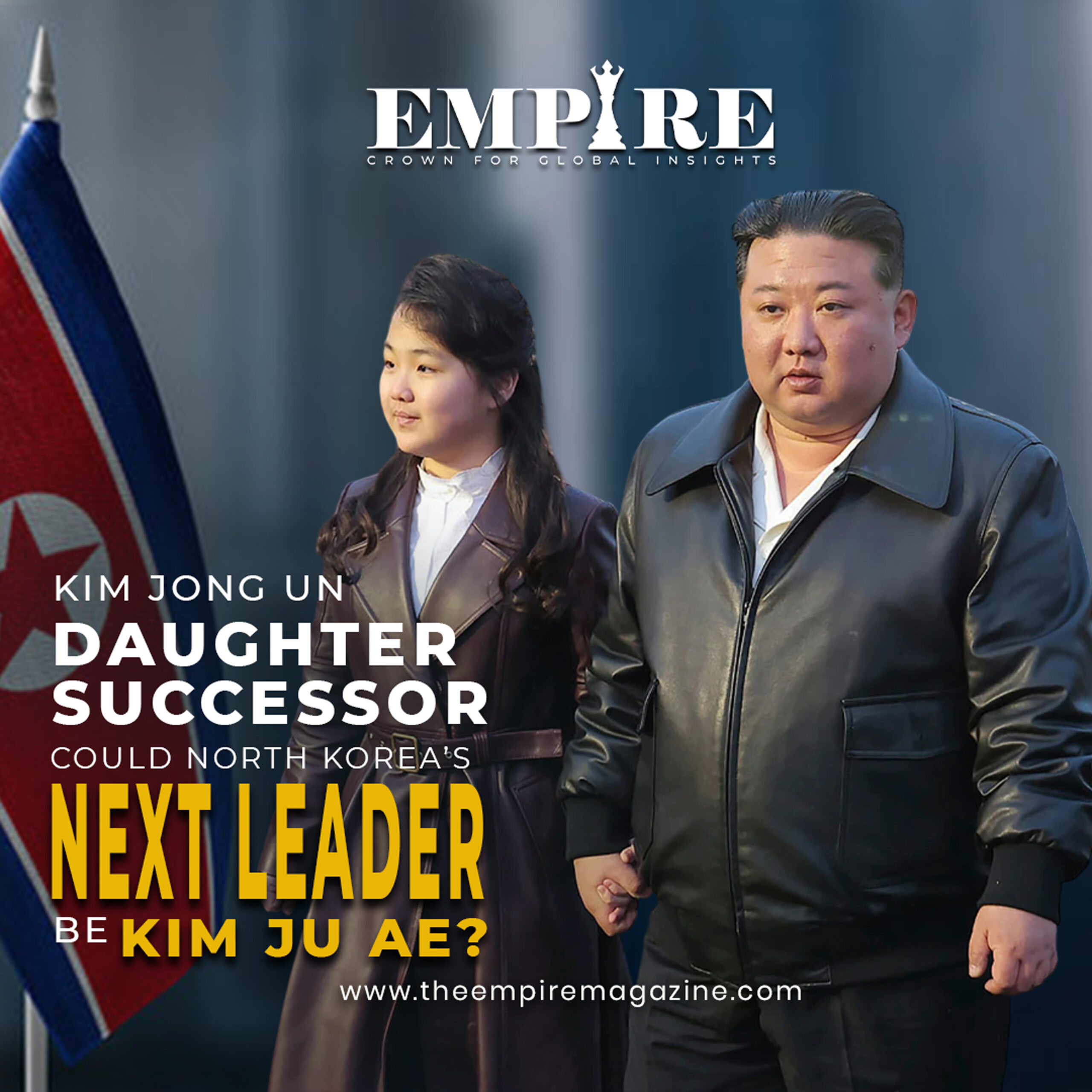
Kim Jong Un’s daughter, believed to be around 13 years old, has appeared at several major state events. These appearances have included military inspections, missile launches, and national celebrations. In official state media coverage, she has often been shown standing prominently beside her father, sometimes positioned in a way that suggests significance.
In North Korea, imagery is never accidental. Every public appearance is carefully orchestrated. Analysts note that being placed alongside senior generals and high-ranking officials during military events may signal more than just a family moment.
The repeated public exposure strengthens the Kim Jong Un Daughter Successor speculation, as such visibility could serve to gradually familiarize citizens with a potential future leader.
Military Association and Power Structures
North Korea’s leadership heavily relies on military loyalty. The armed forces are not just a defense institution; they are a pillar of political control. By associating his daughter with missile tests and military demonstrations, Kim Jong Un may be signaling her connection to national defense and authority.
This strategic positioning mirrors past transitions. When Kim Jong Un was introduced as a successor, his appearances alongside military leaders helped reinforce his legitimacy. The gradual introduction of his daughter could be a preemptive measure to ensure continuity and prevent instability.
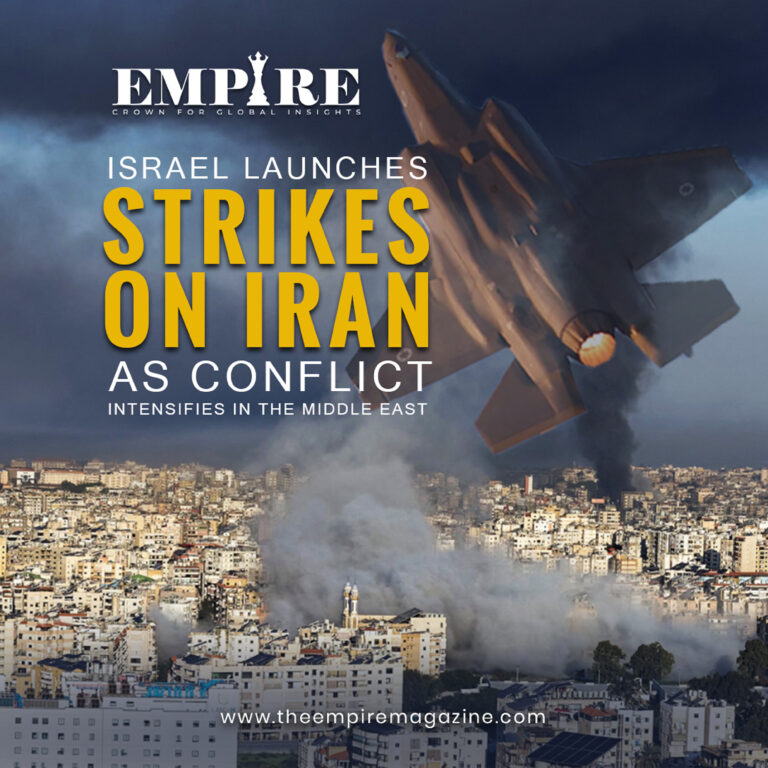
For broader regional context on shifting power dynamics in Asia and the Middle East, readers can explore our feature:
https://theempiremagazine.com/israel-launches-strikes-on-iran-middle-east/
Global tensions often intersect with leadership transitions, making succession discussions especially important in volatile regions.
Gender and Cultural Challenges
One of the biggest questions surrounding the Kim Jong Un Daughter Successor theory involves gender. North Korean society remains largely traditional and male-dominated, particularly within military and senior government ranks.
Female leadership at the highest level would represent a significant cultural shift. However, North Korea’s political system prioritizes loyalty to the Kim bloodline above all else. The dynasty itself may outweigh traditional gender expectations.
It is also important to consider the growing influence of Kim Yo Jong, Kim Jong Un’s sister. She has played a visible and powerful role in government messaging and diplomacy. Her prominence demonstrates that women can hold significant authority within the regime.
If Kim Jong Un’s daughter were to be positioned as a successor, Kim Yo Jong could potentially act as a mentor or regent during a transitional period.
Strategic Image Management
Some experts believe that the public appearances of Kim Jong Un’s daughter may serve another purpose entirely. Displaying a family-oriented image could soften the perception of North Korea’s leadership internationally. In a regime often criticized for strict policies and military aggression, showing a father-daughter relationship may humanize the leader.
The Kim Jong Un Daughter Successor speculation may therefore be both symbolic and strategic. It keeps observers uncertain while reinforcing the strength of the ruling family narrative.
North Korea has historically used ambiguity as a political tool. By neither confirming nor denying succession plans, the leadership maintains flexibility.
Long-Term Political Stability
Succession planning in authoritarian systems can determine long-term stability. Sudden leadership transitions often create uncertainty. By gradually introducing his daughter to public life, Kim Jong Un could be laying groundwork to avoid potential power struggles in the future.
The regime understands the risks of instability. A clearly established heir can deter internal rivalries and reassure elite supporters.
Whether this introduction signals an official plan or simply reinforces dynastic continuity remains unknown. However, the repeated emphasis on her presence cannot be ignored.
The Global Implications
The discussion surrounding the Kim Jong Un Daughter Successor debate extends beyond North Korea’s borders. Any change in leadership could significantly impact diplomatic relations, nuclear negotiations, and regional security.
Neighboring countries such as South Korea, China, and Japan closely monitor developments. The United States and global security analysts are equally attentive, recognizing that leadership transitions in nuclear-armed states carry international consequences.
Even subtle signals from Pyongyang can influence global strategy and market reactions.
An Uncertain Future
At present, there is no official confirmation that Kim Jong Un’s daughter has been formally designated as the next leader. Her appearances may represent symbolic positioning rather than a finalized succession plan.
Still, in a country where symbolism carries extraordinary weight, repeated exposure is meaningful. The Kim Jong Un Daughter Successor question remains open, fueling international debate and speculation.
North Korea’s political future continues to unfold behind closed doors. Whether the young girl will eventually inherit leadership or serve as part of a broader strategic narrative, her presence has already reshaped global conversation.
In a system defined by dynastic continuity, even the smallest public gesture can carry profound political significance.
– The Empire Magazine
Crown For Global Insights