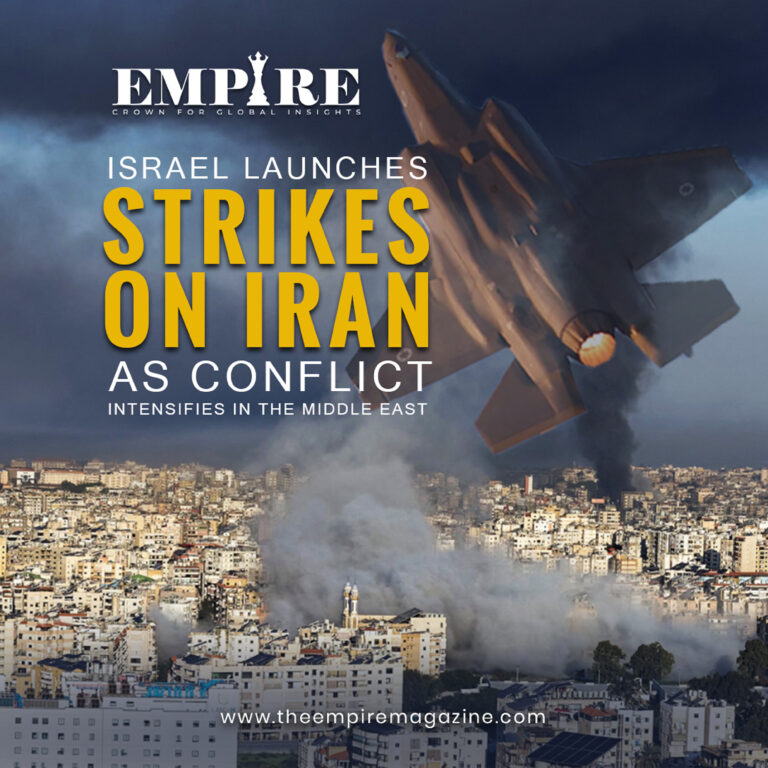
Iran War Impact on Global Travel and Tourism Risks

The Iran War Impact on Global Travel is becoming increasingly visible as escalating tensions across the Middle East disrupt airports, airlines, and tourism hubs. As military actions expand and regional airspace closures multiply, international travel networks are facing uncertainty not seen in years. From flight cancellations to emergency evacuations, the ripple effects of the conflict are spreading far beyond the immediate war zone.
The ongoing crisis highlights how quickly geopolitical instability can reshape global mobility, affecting millions of passengers, airlines, and travel-dependent economies.
Airport Closures and Airspace Disruptions
One of the most immediate consequences of the Iran War Impact on Global Travel has been the closure and restriction of major airports. Key aviation hubs across the Gulf region have faced temporary shutdowns following missile alerts, drone interceptions, and security concerns.
Dubai International Airport, one of the world’s busiest travel hubs, experienced significant disruptions after nearby security incidents. Flights were suspended temporarily, stranding thousands of passengers. Airlines scrambled to reroute aircraft and accommodate travelers affected by sudden cancellations.
Similarly, Abu Dhabi and Doha have also experienced airspace restrictions. Qatar temporarily suspended flights at Hamad International Airport following heightened security alerts. Governments have advised citizens to delay non-essential travel to the region until stability improves.
These interruptions demonstrate the vulnerability of international aviation routes when geopolitical tensions escalate.
Iran’s Airspace Closure
Iran has completely closed its airspace following the escalation of hostilities. All civilian flights to and from the country have been suspended indefinitely. Travelers inside Iran have limited options for departure, with some attempting to exit through land borders into neighboring countries such as Turkey and Armenia.
The closure not only affects passengers flying to Iran but also disrupts international routes that typically pass through Iranian airspace. Airlines are forced to reroute flights, increasing fuel costs and travel times.
This development has intensified concerns about global aviation efficiency and rising ticket prices.
Israel and Lebanon Travel Risks
The conflict has also severely impacted Israel. With repeated missile alerts and air defense activations, Ben Gurion Airport near Tel Aviv temporarily halted operations. Although limited flights may resume depending on security conditions, travel advisories remain in place.
Lebanon faces heightened travel warnings as tensions along its borders increase. Several governments have urged citizens to leave while commercial flights remain available. Airlines are closely monitoring developments before deciding whether to continue operations.
The Iran War Impact on Global Travel underscores how regional escalations can rapidly isolate countries from international connectivity.
Gulf Nations Under Pressure
Kuwait and Bahrain have temporarily restricted their airspace following missile and drone threats. Travelers have been advised to avoid unnecessary trips. Saudi Arabia, although continuing airport operations, has increased security following reported drone activity near infrastructure sites.
Jordan has also implemented precautionary measures, including partial airspace restrictions and enhanced airport security. Diplomatic facilities have taken preventive steps amid potential risks.
Even Oman, which has remained relatively stable, has become an alternative departure route for stranded travelers. Some passengers have traveled by road from the UAE to Oman to access operational flights.
The conflict’s reach illustrates the interconnected nature of regional travel networks.
Iraq and Broader Regional Effects
Iraq has suspended civilian aviation entirely due to security risks. International governments have issued strict travel warnings advising against travel to the country.
The closure of Iraqi airspace has disrupted multiple global routes connecting Europe and Asia. Airlines are now adjusting flight paths, increasing operational complexity and fuel consumption.
The broader Iran War Impact on Global Travel includes not only passenger inconvenience but also financial strain on airlines and logistics companies.
European Implications
The crisis has even touched parts of Europe. A drone incident near Cyprus caused temporary flight suspensions at nearby airports. Although operations have resumed, the event highlights how far-reaching regional conflicts can become.
Airlines across Europe are reassessing flight routes over conflict-prone areas. Insurance costs for carriers have risen, and contingency planning has intensified.
Tourism Industry Response
The tourism industry is particularly vulnerable during geopolitical crises. Hotels, tour operators, and travel agencies across the Middle East are experiencing cancellations and booking slowdowns.
Countries such as Egypt, while not directly targeted, are advising caution due to proximity to regional instability. Tourism-dependent economies are closely watching developments, hoping for de-escalation.
For additional insight into how geopolitical events influence financial markets and economic sentiment, readers can explore our related feature:
https://theempiremagazine.com/asia-stocks-fall-amid-iran-war-oil-prices-surge/
Financial volatility and travel disruption often occur simultaneously during periods of conflict.
Travel Advisories and Passenger Safety
Governments worldwide are issuing updated travel advisories. Many have urged citizens to reconsider or postpone travel to affected regions. Airlines are offering flexible rebooking options, allowing travelers to adjust plans without penalties.
Passengers are encouraged to:
- Monitor official government travel advisories
- Check airline updates regularly
- Avoid high-risk transit routes
- Consider travel insurance coverage for cancellations
The situation remains fluid, and conditions can change rapidly.
Economic and Long-Term Implications
The Iran War Impact on Global Travel extends beyond immediate disruptions. Prolonged instability could reshape airline route planning, increase operational costs, and reduce tourism demand across the Middle East.
Higher fuel prices driven by oil market volatility further compound airline challenges. Extended rerouting adds to travel times and expenses, potentially affecting global ticket pricing.
If tensions ease, travel may rebound quickly. However, sustained conflict could result in longer-term shifts in global aviation patterns.
– The Empire Magazine
Crown For Global Insights