Hybrid Work Models: The Future of Work and Business Growth
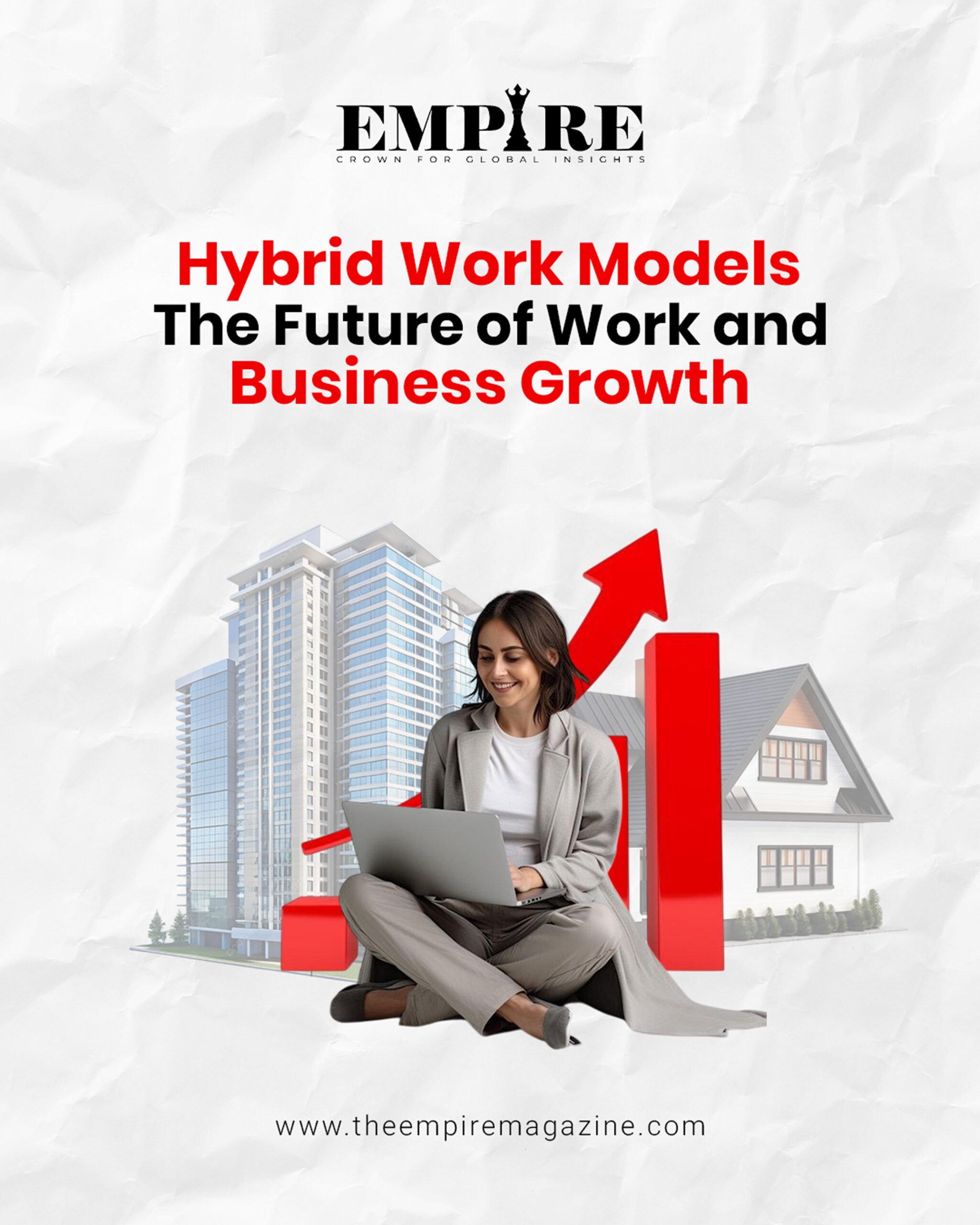
The global workplace has undergone a dramatic transformation in recent years. Traditional office environments that required employees to work from a fixed location every day are gradually evolving. Today, many organizations are embracing Hybrid Work Models, a flexible approach that combines remote work with in-office collaboration.
This shift represents one of the most significant workplace transformations in modern business history. Companies across industries are recognizing that productivity and innovation are no longer tied exclusively to physical office spaces. Instead, technology, flexible policies, and new leadership strategies are enabling employees to work effectively from multiple locations.
As a result, Hybrid Work Models are becoming a long-term strategy for organizations seeking to improve efficiency, attract top talent, and build modern workplace cultures.
Understanding Hybrid Work Models
Hybrid Work Models allow employees to divide their work time between remote environments and physical office spaces. Instead of requiring employees to work in the office five days a week, organizations provide flexibility that enables individuals to choose where they work most effectively.
This approach balances two important factors:
- Flexibility for employees
- Collaboration and culture within the organization
Employees can perform focused tasks from home while still attending the office for team meetings, brainstorming sessions, and collaborative projects.
By combining remote and office work, Hybrid Work Models create a more adaptable workplace that supports both productivity and employee well-being.
Why Companies Are Adopting Hybrid Work Models
Many organizations have realized that flexible work arrangements can offer significant advantages for both employers and employees.
One of the biggest reasons for the rapid adoption of Hybrid Work Models is improved work-life balance. Employees no longer need to spend hours commuting every day, which allows them to dedicate more time to their work and personal lives.
Businesses also benefit from the flexibility offered by hybrid structures. Companies can expand their hiring pools and recruit talent from different geographic locations without requiring relocation.
Additionally, organizations adopting Hybrid Work Models often find that employees are more engaged and motivated when they are given greater control over their schedules.
This shift has encouraged companies to rethink traditional workplace structures and explore new ways to support productivity.
Technology Enabling Hybrid Work
Technology plays a central role in the success of Hybrid Work Models. Digital collaboration platforms, video conferencing tools, and cloud-based project management systems allow teams to stay connected regardless of their physical location.
Modern workplaces rely on technology for:
- Virtual meetings and communication
- Shared digital workspaces
- Cloud document collaboration
- Workflow management systems
These tools make it possible for employees to collaborate in real time even when they are not physically present in the same office.
Organizations investing in digital infrastructure are better positioned to support Hybrid Work Models effectively.
Technology not only enables communication but also helps maintain transparency and productivity across distributed teams.
Redesigning the Modern Office
As Hybrid Work Models become more common, companies are also rethinking the design and purpose of physical office spaces.
Traditional offices often consisted of rows of desks designed for individual work. However, hybrid environments prioritize collaboration spaces instead of fixed seating arrangements.
Many modern offices now include:
- Meeting rooms designed for hybrid video collaboration
- Flexible workspaces for team projects
- Creative brainstorming areas
- Quiet zones for focused work
These redesigned spaces encourage employees to come to the office for meaningful collaboration rather than routine tasks that can be completed remotely.
By adapting office environments to support teamwork, companies strengthen the effectiveness of Hybrid Work Models.
Benefits of Hybrid Work Models
The widespread adoption of Hybrid Work Models offers several benefits for both employees and organizations.
Improved Productivity
Employees can choose the environment where they work best, leading to higher productivity levels.
Access to Global Talent
Companies can recruit professionals from different locations rather than limiting hiring to a specific city.
Reduced Operational Costs
Organizations can optimize office space usage and reduce expenses related to physical infrastructure.
Better Employee Satisfaction
Flexible work arrangements contribute to higher job satisfaction and stronger employee retention.
These benefits demonstrate why Hybrid Work Models are rapidly becoming a preferred approach for modern organizations.
Challenges of Hybrid Work
While Hybrid Work Models offer many advantages, they also introduce new challenges for organizations.
One challenge is ensuring that remote employees remain fully engaged with the company’s culture and team activities. Leaders must ensure that both in-office and remote workers have equal opportunities to contribute and participate.
Communication can also become more complex in distributed teams. Managers must implement clear communication strategies and ensure that information flows smoothly across teams.
Another important consideration is cybersecurity. With employees accessing company systems from different locations, organizations must strengthen their digital security measures.
Successfully managing these challenges requires strong leadership and strategic planning.
A deeper perspective on how leaders use data and strategy to manage modern workplaces can be explored in this related article:
https://theempiremagazine.com/?p=5480
Leadership in the Hybrid Workplace
The success of Hybrid Work Models depends heavily on leadership. Managers must adopt new approaches to guiding teams that operate in both remote and physical environments.
Hybrid leadership focuses on trust, communication, and performance outcomes rather than physical presence.
Leaders must ensure that employees feel connected to the organization regardless of where they work.
This involves:
- Setting clear expectations
- Encouraging open communication
- Supporting employee well-being
- Promoting collaboration across teams
When leaders prioritize transparency and flexibility, Hybrid Work Models can strengthen both productivity and organizational culture.
The Future of Hybrid Work Models
Looking ahead, the evolution of work is likely to continue as technology advances and employee expectations change.
Many organizations are already exploring new innovations such as virtual collaboration tools, artificial intelligence productivity platforms, and immersive digital workspaces.
These developments will further enhance the effectiveness of Hybrid Work Models and allow organizations to operate more efficiently in global environments.
Companies that embrace flexible work arrangements while investing in digital tools and strong leadership strategies will be better prepared for the future.
Hybrid work is not simply a temporary adjustment—it represents a long-term transformation in how organizations function.
Final Thoughts
The workplace of the future will look very different from traditional office environments. Hybrid Work Models are reshaping how businesses operate, collaborate, and manage talent.
By combining remote flexibility with in-person collaboration, companies can create workplaces that support productivity, innovation, and employee well-being.
Organizations that successfully adapt to Hybrid Work Models will be those that invest in technology, redesign workspaces, and build leadership cultures based on trust and flexibility.
As the modern workforce continues to evolve, hybrid work will remain one of the most influential trends shaping the future of global business.
– The Empire Magazine
Crown for Global Insights
Follow The Empire Magazine
Facebook | Instagram | LinkedIn