Human Resources And Workplace Flexibility for Growth
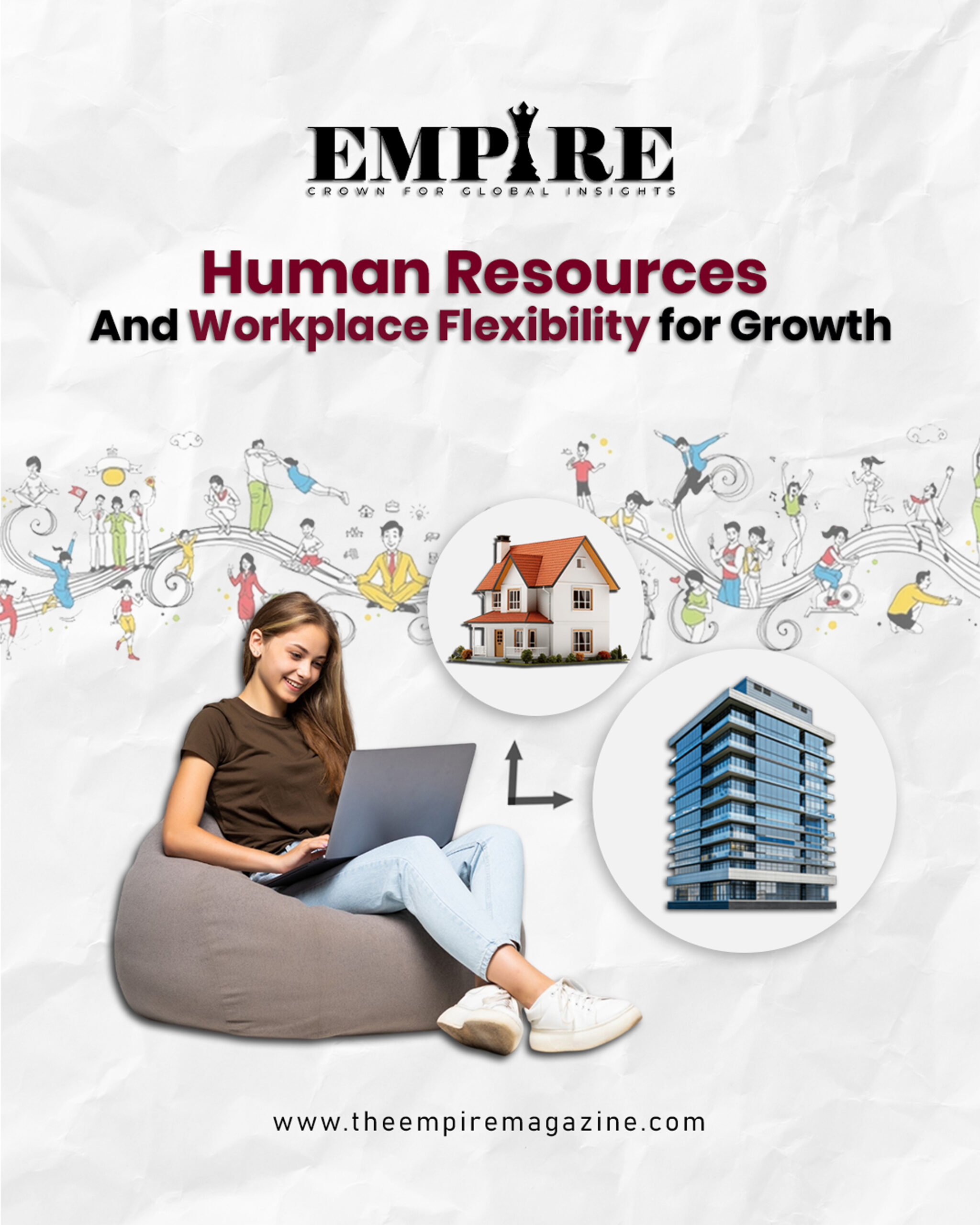
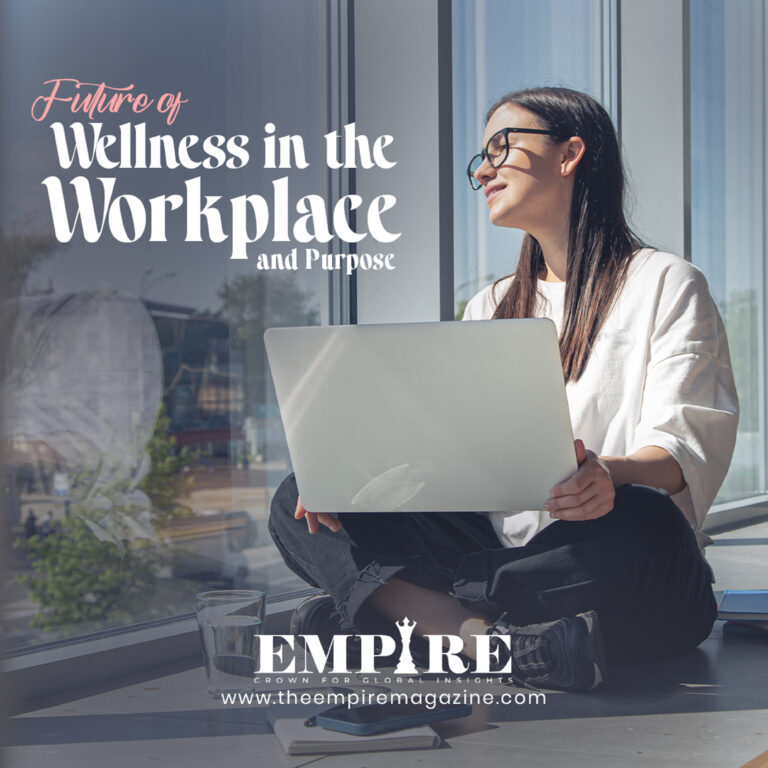
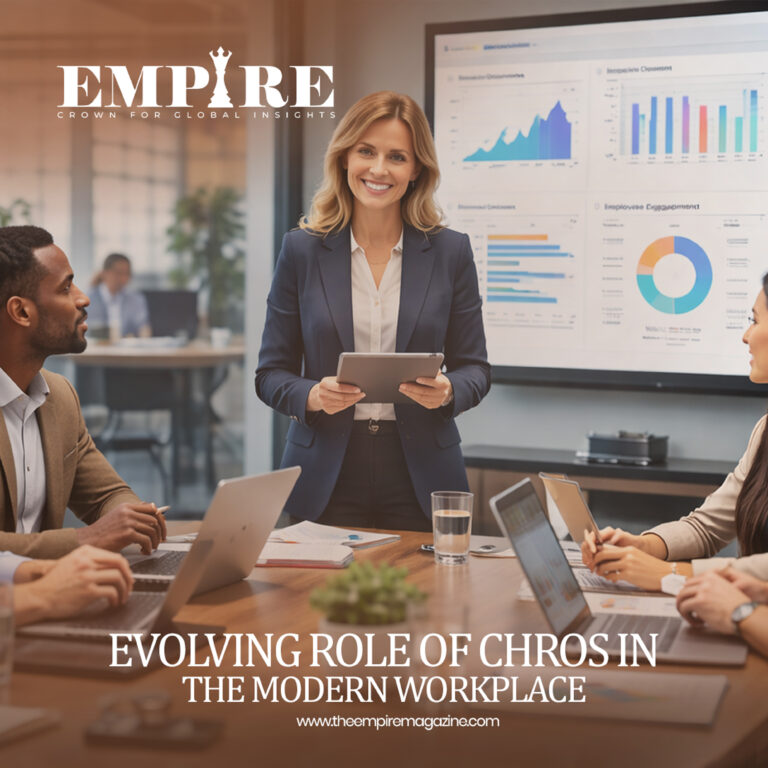
Human Resources and Workplace Flexibility are transforming how modern organizations operate and manage their workforce. Human Resources departments are no longer focused only on hiring and administration—they now play a strategic role in shaping flexible, adaptive, and employee-centric workplaces. Pasted text
As businesses evolve in a fast-changing global environment, workplace flexibility has become essential for attracting talent, improving productivity, and ensuring long-term organizational success. Companies that embrace flexibility are better equipped to meet employee expectations and maintain a competitive advantage.
What Is Human Resources and Workplace Flexibility?
Human Resources and Workplace Flexibility refer to the policies, strategies, and systems implemented by Human Resources teams to allow employees to work in ways that suit both their professional responsibilities and personal needs.
This includes flexibility in:
- Work schedules
- Work locations
- Job roles and responsibilities
- Leave and benefits
- Use of digital tools and technologies
Workplace flexibility is no longer limited to remote work. It is about creating an environment where employees have autonomy and support to perform effectively while maintaining a healthy work-life balance.
Why Workplace Flexibility Is Important
In today’s workforce, flexibility is a key factor influencing employee decisions. People are no longer choosing jobs based only on salary—they are also considering work-life balance, workplace culture, and personal well-being.
Flexible workplaces create an environment where employees feel trusted, valued, and motivated. When organizations design work around people instead of forcing people to adapt to rigid structures, they achieve better engagement and performance.
Employees now expect:
- Freedom to manage their schedules
- Options for remote or hybrid work
- Support for personal well-being
- A culture of trust and inclusion
Failing to meet these expectations can lead to lower productivity, high turnover, and difficulty in attracting talent.
Benefits of Human Resources and Workplace Flexibility
1. Better Work-Life Balance
Flexible work arrangements help employees manage personal responsibilities alongside their professional roles. This reduces stress and improves overall well-being.
2. Increased Productivity
Employees are more productive when they can work during their most efficient hours. Flexibility allows individuals to perform at their best.
3. Higher Employee Retention
Organizations offering flexibility are more attractive to employees. This reduces turnover and helps retain skilled talent.
4. Cost Savings for Businesses
Flexible work reduces the need for large office spaces and lowers operational costs. It also minimizes absenteeism and improves workforce efficiency.
5. Stronger Employer Brand
Companies that prioritize flexibility are seen as modern and employee-friendly, making them more competitive in the job market.
Key Strategies for Workplace Flexibility
Human Resources teams play a central role in implementing flexibility strategies. Some of the most effective approaches include:
Telecommuting and Hybrid Work
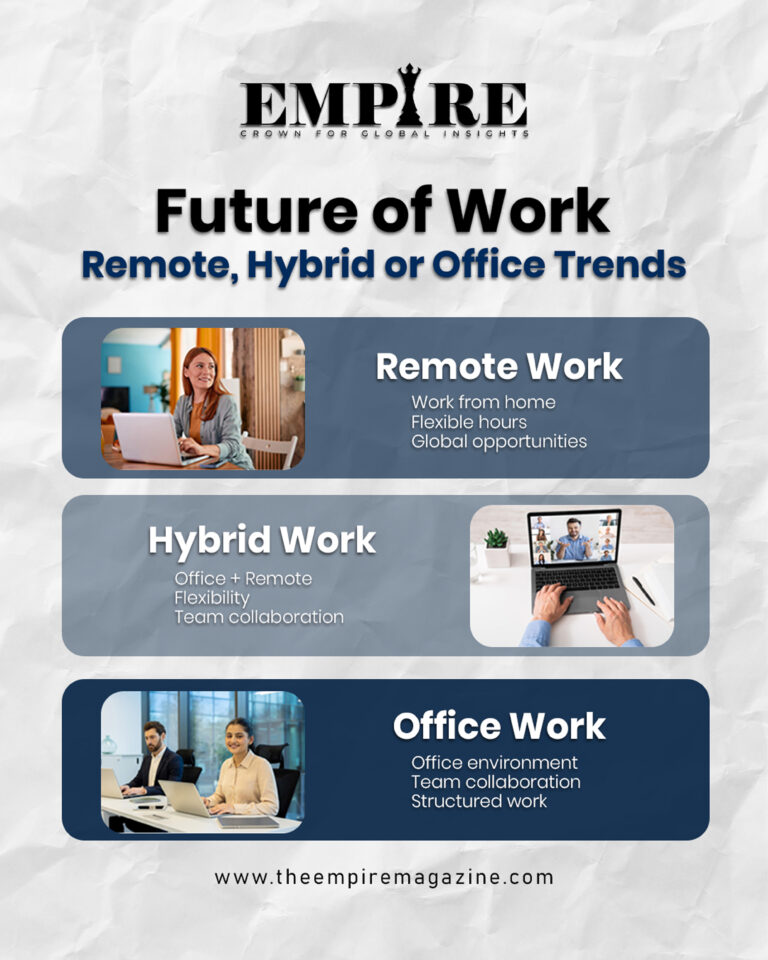
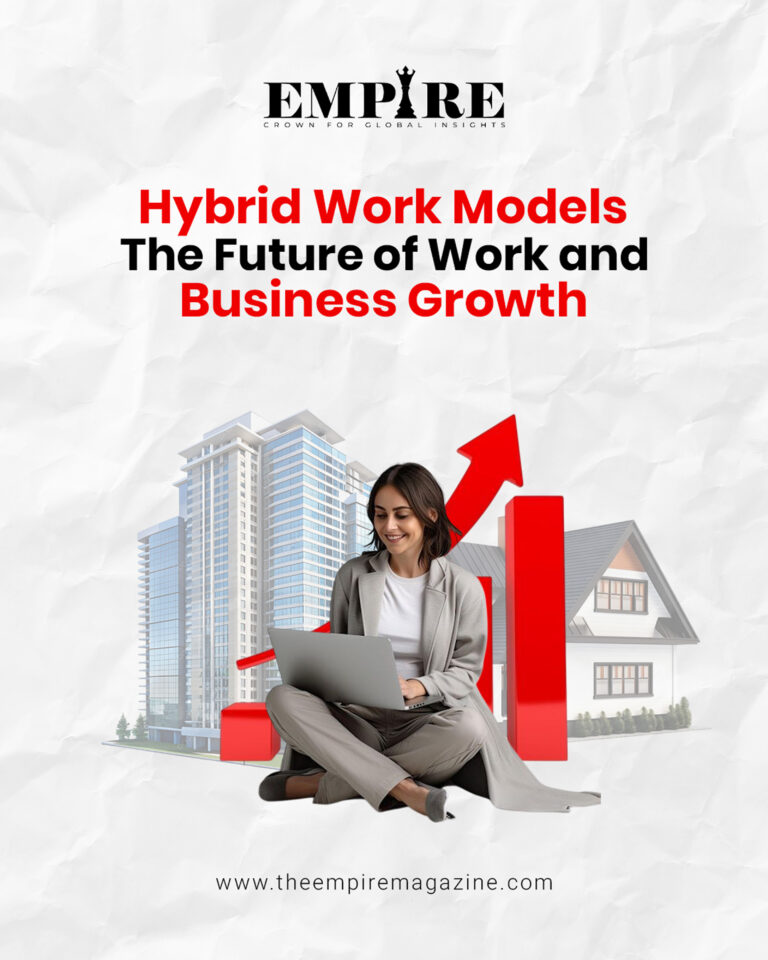
Allowing employees to work from home or alternate locations provides flexibility while maintaining productivity through digital tools.
Flexible Work Hours
Employees can choose their start and end times based on personal needs, as long as work requirements are met.
Job Sharing
Two or more employees share responsibilities of a single role, offering flexibility while maintaining efficiency.
Flexible Leave Policies
Providing options such as additional leave, sabbaticals, or customizable vacation plans supports employee well-being.
Modular Workspaces
Flexible office environments encourage collaboration and adaptability, supporting both in-office and hybrid teams.
The Role of Technology in Workplace Flexibility
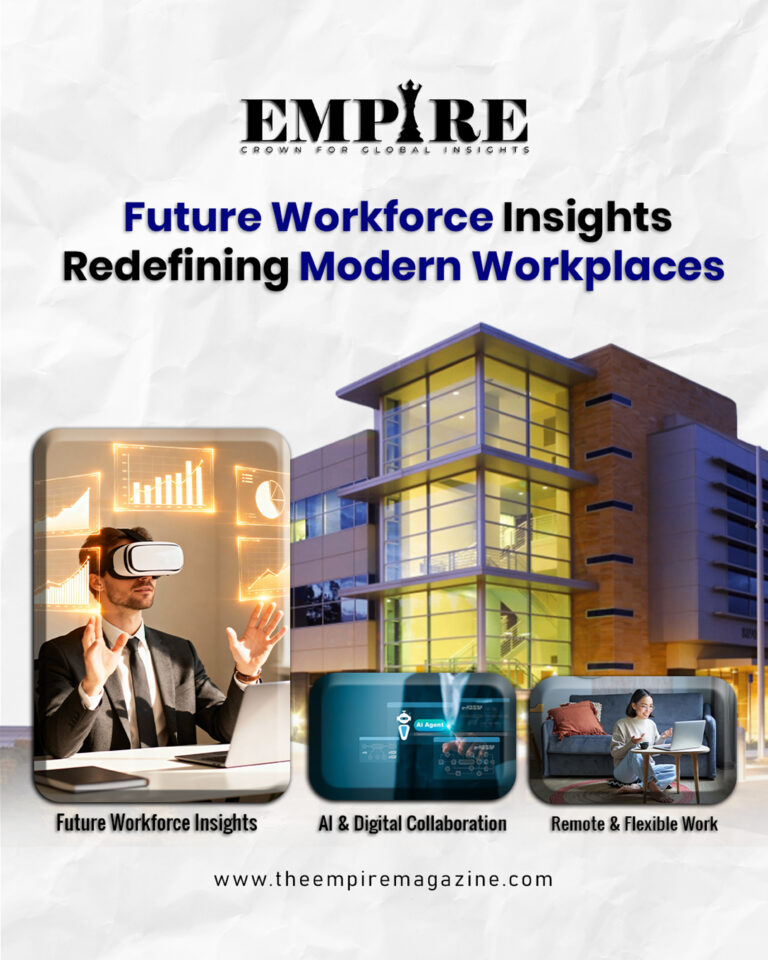
Technology is essential for enabling Human Resources and Workplace Flexibility. Digital tools allow employees to work efficiently regardless of location.
Important technologies include:
- Communication platforms for team collaboration
- Project management tools for tracking progress
- Cloud systems for secure data access
- Automation tools to reduce repetitive tasks
These technologies ensure that work continues smoothly, even in flexible or remote environments.
Implementing Workplace Flexibility Successfully
To make flexibility effective, Human Resources teams must follow a structured approach:
1. Understand Employee Needs
Conduct surveys and feedback sessions to identify what employees expect from flexible work policies.
2. Create Clear Policies
Define guidelines for flexible work arrangements to ensure consistency and fairness across the organization.
3. Provide the Right Tools
Ensure employees have access to the necessary technology for remote and hybrid work.
4. Train Leaders and Managers
Managers must focus on outcomes rather than working hours, ensuring productivity in flexible environments.
5. Monitor Performance and Adjust
Regular evaluation helps improve flexibility strategies and ensures they align with business goals.
Challenges of Workplace Flexibility
Despite its advantages, flexibility comes with challenges that organizations must address:
Maintaining Team Collaboration
Remote work can reduce face-to-face interaction, impacting teamwork and communication.
Ensuring Fairness
Not all roles can be flexible in the same way, which can create perceptions of inequality.
Managing Productivity
Organizations must shift from time-based tracking to performance-based evaluation.
Dependence on Technology
Flexible work relies heavily on digital tools, requiring strong infrastructure and security.
Addressing these challenges requires careful planning and strong leadership.
The Future of Human Resources and Workplace Flexibility
The future of Human Resources and Workplace Flexibility is focused on creating personalized, technology-driven, and employee-centered work environments.
Emerging trends include:
- AI-based workforce management
- Data-driven performance tracking
- Personalized employee experiences
- Integration of well-being and mental health programs
Flexibility will continue to evolve as a strategic advantage, helping organizations attract talent, improve engagement, and achieve long-term success.
To explore more insights, visit:
👉 https://theempiremagazine.com/?p=5743
Stay connected for more insights:
📸 Instagram: https://www.instagram.com/the_empire_magazine/
📘 Facebook: https://www.facebook.com/profile.php?id=61573749076160
– The Empire Magazine
Crown For Global Insights