Hospitality Management Strategies for Business Growth
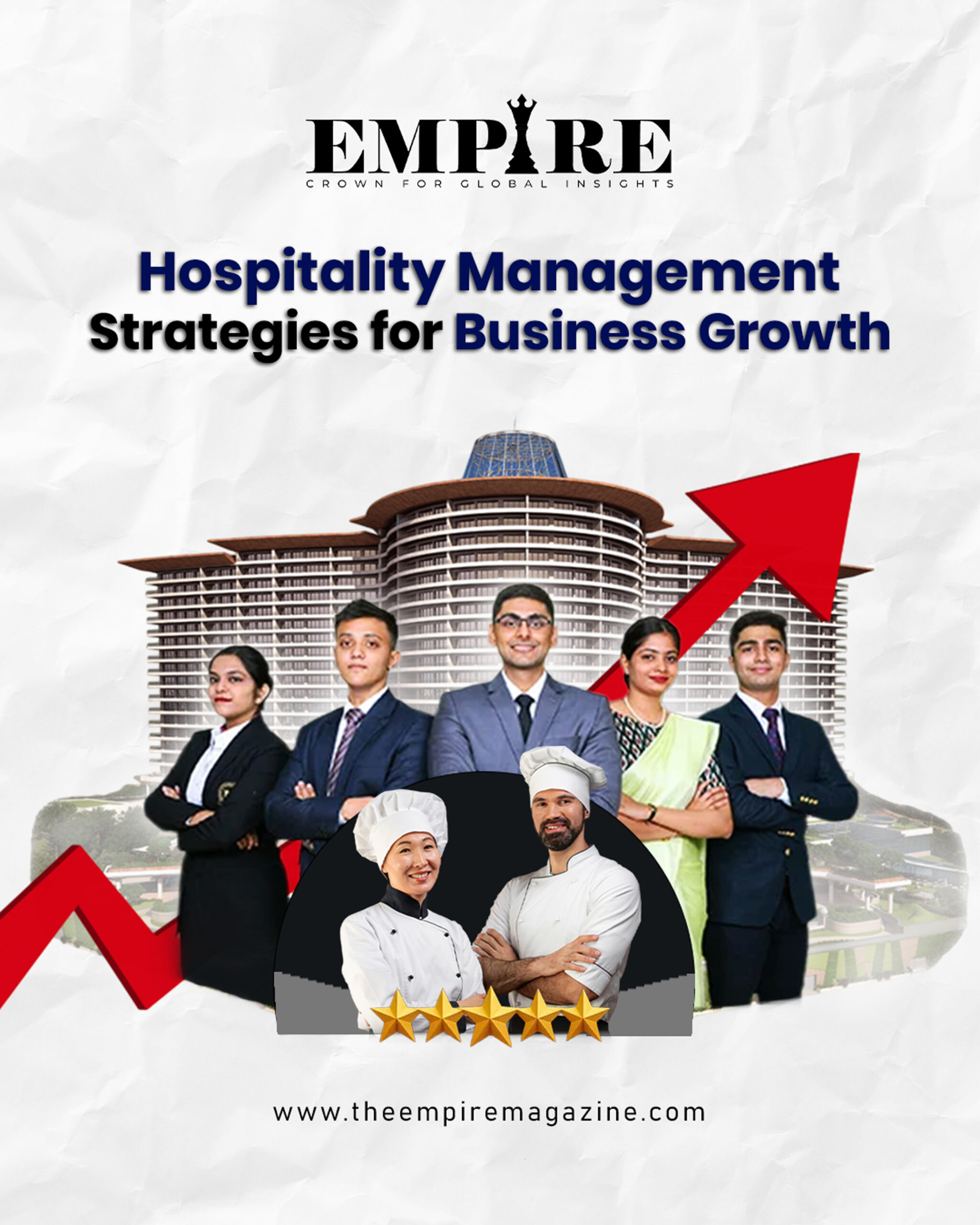
Hospitality Management Strategies play a crucial role in shaping the success of hotels, resorts, and tourism businesses in today’s highly competitive global market. With evolving customer expectations, technological advancements, and increasing competition, hospitality businesses must adopt effective strategies to enhance guest experiences, improve operational efficiency, and drive sustainable growth.
The hospitality industry is not only about providing accommodation or services—it is about creating memorable experiences. Strategic management ensures that organizations can align their goals with customer needs while maintaining profitability and long-term success.
Understanding Hospitality Management Strategies
Hospitality management strategies involve the planning, execution, and evaluation of business operations to achieve organizational objectives. These strategies include customer service improvement, revenue optimization, marketing initiatives, and operational efficiency.
A key aspect of strategy is not just planning but effective implementation. Without proper execution, even the best strategies fail to deliver results. Research highlights that successful performance in hospitality depends heavily on how well strategies are implemented across all levels of the organization. Pasted text
This means that leadership, communication, and coordination are essential components of successful strategy execution.
Enhancing Customer Experience
Customer experience is the foundation of success in hospitality. Guests expect personalized, seamless, and high-quality service.
To achieve this, businesses can:
- Use customer data to personalize services
- Train staff to deliver exceptional service
- Implement feedback systems to improve experiences
A positive customer experience leads to higher satisfaction, repeat visits, and strong brand loyalty. In today’s digital era, even a single negative experience can impact a brand’s reputation, making customer-centric strategies essential.
Effective Revenue Management
Revenue management is a critical strategy in hospitality. It involves optimizing pricing, inventory, and demand forecasting to maximize profitability.
Hotels and hospitality businesses use data analytics to:
- Adjust pricing based on demand
- Manage room inventory efficiently
- Predict seasonal trends
Dynamic pricing strategies allow businesses to remain competitive while ensuring maximum revenue generation.
Leveraging Technology for Growth
Technology has become a key driver of modern Hospitality Management Strategies. Digital tools help businesses streamline operations, enhance guest experiences, and improve decision-making.
Some key technologies include:
- Online booking platforms
- Customer relationship management (CRM) systems
- Artificial intelligence for personalization
- Mobile apps for guest services
Technology not only improves efficiency but also enables businesses to stay connected with customers and respond quickly to their needs.
Importance of Strategic Leadership
Leadership plays a vital role in implementing hospitality strategies. Effective leaders ensure that employees understand organizational goals and work collaboratively to achieve them.
Strategic leadership involves:
- Clear communication of objectives
- Encouraging teamwork and collaboration
- Motivating employees to deliver excellence
Research suggests that alignment across different levels of management significantly influences successful strategy implementation and overall performance. Pasted text
Strong leadership ensures that strategies are not only developed but also effectively executed.
Human Resource Management in Hospitality
Employees are the backbone of the hospitality industry. Their performance directly impacts customer satisfaction and business success.
Key HR strategies include:
- Continuous training and development
- Employee engagement programs
- Performance evaluation systems
- Creating a positive work culture
Investing in employees enhances service quality and reduces staff turnover, which is a common challenge in the hospitality sector.
Marketing and Brand Positioning
Marketing is another critical component of Hospitality Management Strategies. In a competitive market, businesses must differentiate themselves through strong branding and effective marketing campaigns.
Modern marketing strategies include:
- Digital marketing and social media promotion
- Influencer collaborations
- Content marketing
- Online reputation management
A strong brand identity helps businesses attract and retain customers while building trust and credibility.
Sustainability and Responsible Practices
Sustainability has become increasingly important in the hospitality industry. Customers are more aware of environmental and social issues and prefer businesses that adopt responsible practices.
Sustainable strategies include:
- Reducing energy consumption
- Minimizing waste
- Supporting local communities
- Implementing eco-friendly operations
These practices not only benefit the environment but also enhance brand reputation and attract environmentally conscious customers.
Overcoming Challenges in Hospitality Management
Despite its growth potential, the hospitality industry faces several challenges:
Intense Competition
Businesses must continuously innovate to stay ahead of competitors.
Changing Customer Expectations
Customers expect personalized and high-quality experiences.
Operational Complexity
Managing multiple departments and services can be challenging.
Economic Uncertainty
Global economic fluctuations can impact travel and tourism demand.
To overcome these challenges, businesses must adopt flexible and adaptive strategies that can respond to changing market conditions.
The Future of Hospitality Management
The future of Hospitality Management Strategies lies in innovation, technology, and customer-centric approaches. Businesses that embrace digital transformation and focus on delivering exceptional experiences will have a competitive advantage.
Emerging trends include:
- Smart hotels with automated systems
- AI-driven customer insights
- Sustainable tourism practices
- Personalized guest experiences
By staying ahead of these trends, hospitality businesses can ensure long-term success and growth.
To explore more insights, visit:
👉 https://theempiremagazine.com/?p=5741
Stay connected for more insights:
📸 Instagram: https://www.instagram.com/the_empire_magazine/
📘 Facebook: https://www.facebook.com/profile.php?id=61573749076160
– The Empire Magazine
Crown For Global Insights