Healthcare Transformation in India Today
Healthcare Transformation in India
Healthcare Transformation in India is no longer a distant vision—it is a present reality unfolding across cities, towns, and rural communities. With a population of over 1.4 billion, the country faces one of the most complex healthcare challenges in the world. Yet, driven by technology, policy reform, entrepreneurial innovation, and visionary leadership, India’s healthcare ecosystem is entering a decisive phase of modernization.
This transformation is not limited to urban super-specialty hospitals. It stretches from digital health platforms and AI diagnostics to rural telemedicine networks and preventive healthcare movements. The scale of change reflects both urgency and opportunity, positioning India as one of the most dynamic healthcare markets globally.
A System of Contrasts
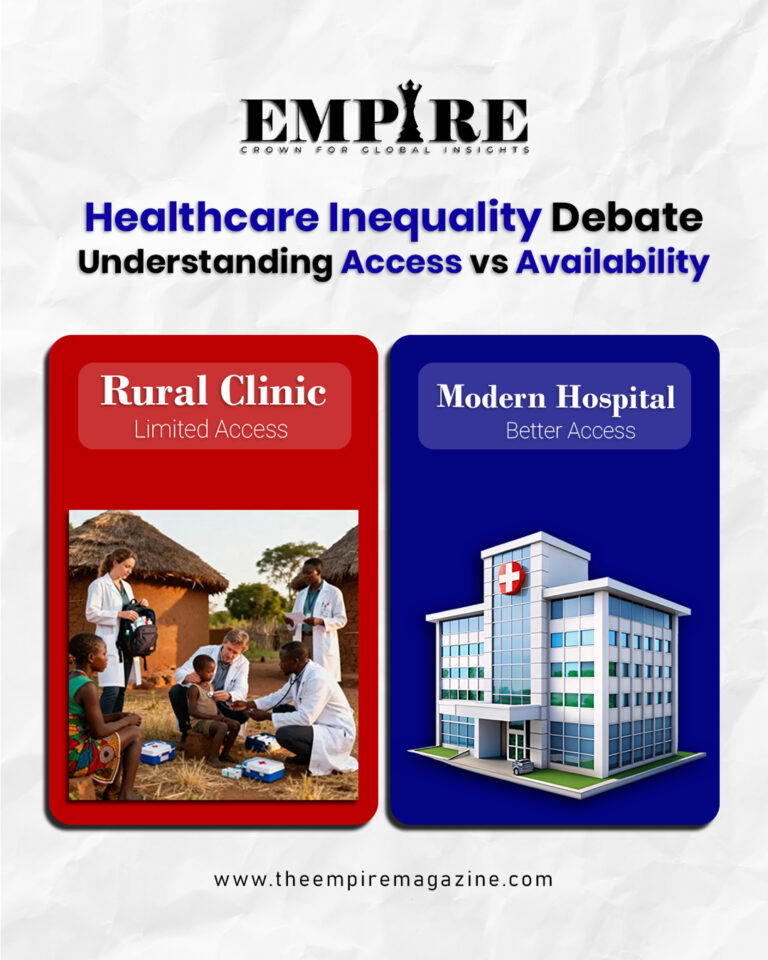
Healthcare Transformation in India must navigate a landscape of sharp contrasts. On one side stand internationally accredited hospitals equipped with robotic surgery, advanced imaging, and world-class specialists. On the other, many rural communities still struggle with limited access to primary care, infrastructure gaps, and shortages of trained medical professionals.
Public healthcare spending has gradually increased, reflecting the government’s commitment to reform. However, uneven distribution of medical resources remains a challenge. Rural regions often face a lack of doctors and diagnostic facilities, reinforcing disparities between urban and non-urban populations.
The transformation underway seeks to address this imbalance by strengthening infrastructure while leveraging digital innovation to bridge distance and access gaps.
Digital Health Revolution
One of the most visible drivers of Healthcare Transformation in India is the rapid adoption of digital health solutions. Telemedicine platforms now allow patients to consult doctors remotely, reducing travel costs and overcrowding in hospitals.
Health-tech companies have simplified medicine delivery, online consultations, and diagnostic bookings. These digital services are especially impactful in semi-urban and rural areas where specialist care may not be physically available.
The National Digital Health Mission (NDHM) has introduced a framework for unified digital health records, enabling patients to securely access and share their medical information. This integration enhances continuity of care and improves diagnostic precision.
For a broader perspective on leadership and transformation shaping modern India, explore this related discussion:
https://theempiremagazine.com/?p=5209
Digitalization has not only enhanced accessibility but also empowered patients. Individuals now have greater control over their medical history, prescriptions, and treatment decisions.
Bridging the Urban-Rural Divide
A core pillar of Healthcare Transformation in India is reducing disparities between metropolitan centers and rural communities. Over 65% of India’s population resides outside major cities, making decentralized healthcare delivery essential.
Mobile medical units, community health workers, and telehealth infrastructure have emerged as key solutions. These initiatives extend primary care services to remote regions while minimizing dependency on urban hospitals.
Public-private partnerships are increasingly important in scaling these solutions. Collaboration between government agencies and private enterprises allows for resource optimization, technological innovation, and operational efficiency.
While challenges persist, consistent investment in rural healthcare infrastructure signals a commitment to equitable access.
The Rise of Preventive Healthcare
Historically, healthcare in India focused largely on treatment rather than prevention. However, rising cases of lifestyle diseases such as diabetes, hypertension, and cardiovascular disorders have shifted attention toward preventive care.
Healthcare Transformation in India now includes wellness initiatives, health monitoring applications, and corporate health programs aimed at encouraging healthier lifestyles. Fitness tracking, regular screenings, and nutritional awareness campaigns are becoming mainstream.
Preventive healthcare reduces long-term strain on hospitals and improves quality of life. By promoting early detection and lifestyle modification, the system is gradually transitioning from reactive to proactive care.
India as a Global Healthcare Hub
India’s healthcare sector is not only transforming domestically but also expanding internationally. Medical tourism has grown significantly, with patients traveling from across Asia, Africa, and the Middle East for affordable, high-quality treatment.
Advanced procedures in cardiology, oncology, orthopedics, and organ transplantation are available at competitive costs compared to Western nations. Shorter waiting times and comprehensive recovery programs enhance India’s appeal as a healthcare destination.
This international recognition reinforces the progress achieved through Healthcare Transformation in India and contributes to economic growth.
Innovation and Leadership
Transformation at this scale requires visionary leadership. Entrepreneurs, medical pioneers, and policy architects are redefining service delivery models and expanding healthcare access.
From AI-powered diagnostics to biotechnology research and data-driven hospital management systems, innovation is reshaping how care is delivered and monitored. These advancements increase efficiency while improving patient outcomes.
Leadership in this sector emphasizes not just technological growth but compassionate, inclusive healthcare frameworks.
Challenges on the Road Ahead
Despite remarkable progress, Healthcare Transformation in India faces ongoing challenges:
- Infrastructure limitations in remote districts
- High out-of-pocket healthcare expenses
- Workforce shortages in rural regions
- Data privacy and regulatory concerns
Addressing these issues will require coordinated policy action, sustained investment, and robust governance mechanisms.
The Future Outlook
Looking ahead to 2030, Healthcare Transformation in India is expected to accelerate. Artificial intelligence, personalized medicine, and biotechnology breakthroughs will enhance diagnostic precision and treatment customization.
Telehealth platforms will continue expanding reach, while data integration will strengthen continuity of care. If implemented effectively, these advancements could position India as a global model for delivering scalable, affordable healthcare to diverse populations.
The journey is ongoing, but the direction is clear. India’s healthcare system is evolving toward greater accessibility, technological integration, and patient empowerment.
– The Empire Magazine
Crown For Global Insights