Gold Silver Prices: Volatility Amid Global Crisis
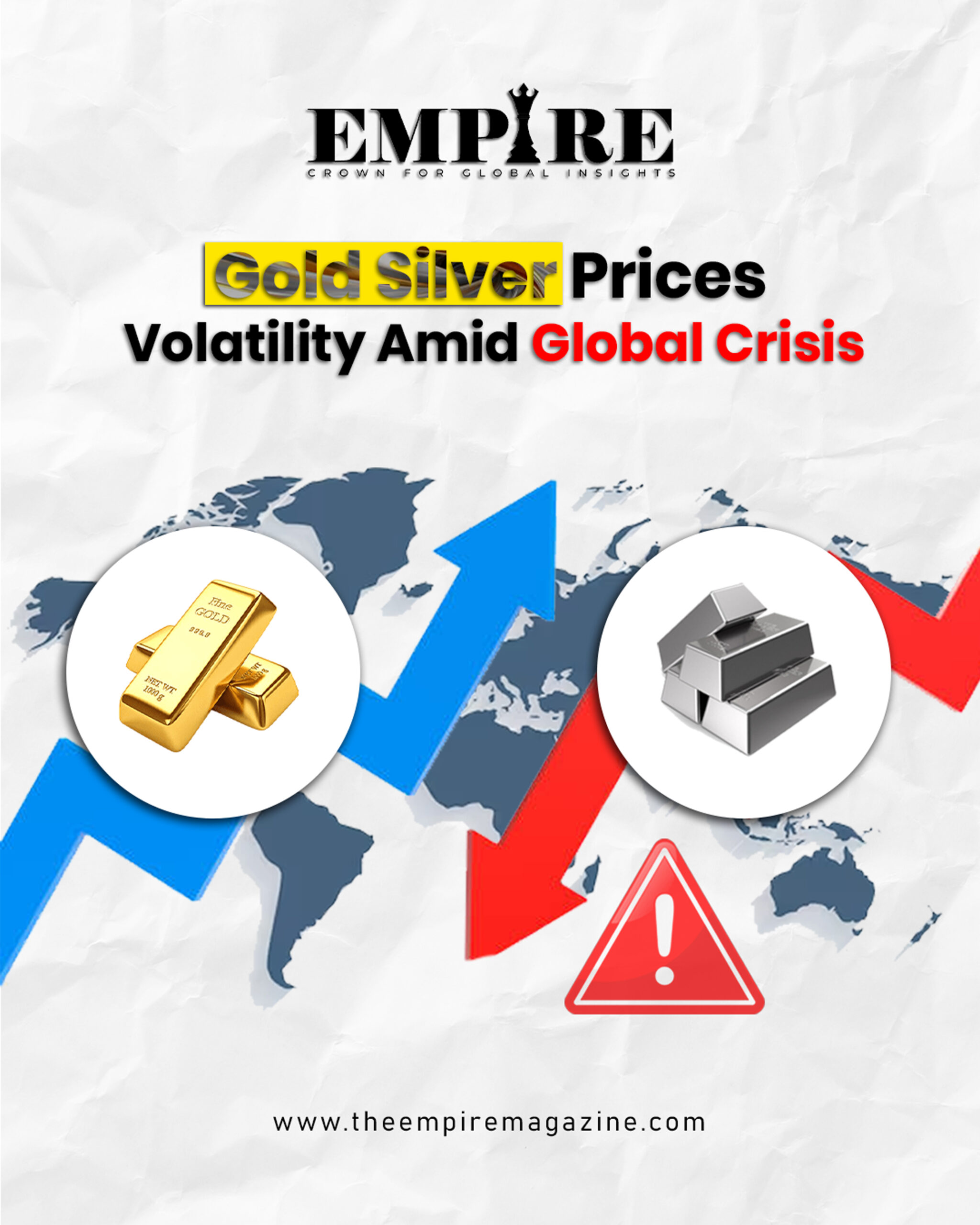
Gold Silver Prices are reflecting the uncertainty of a world facing economic pressure, geopolitical tension, and shifting financial trends. As global markets respond to ongoing challenges, precious metals are once again becoming a focal point for investors seeking stability.
The current volatility in gold and silver prices is not just about market fluctuations—it is a reflection of deeper global concerns. From rising inflation to energy disruptions and currency movements, multiple forces are shaping how these metals behave.
A Market Defined by Uncertainty
The movement in Gold Silver Prices highlights how sensitive financial markets have become. Prices are reacting quickly to global developments, often shifting within short periods.
This volatility is largely driven by uncertainty. When investors are unsure about the future of the economy, they tend to move toward safer assets like gold and silver. However, this movement is not always consistent, as other factors such as interest rates and currency strength can pull prices in different directions.
The result is a highly dynamic market where prices fluctuate rapidly.
The Sharp Correction and Strong Comeback
One of the most notable trends in Gold Silver Prices is the sharp drop followed by a significant recovery. Both gold and silver experienced steep declines after reaching peak levels, largely due to panic selling and broader financial adjustments.
Investors reacted quickly to changing conditions, leading to a temporary fall in prices. However, this decline created opportunities for new buyers to enter the market.
As a result, both metals rebounded strongly, showing that demand for safe-haven assets remains strong despite short-term volatility.
The Role of Global Crisis
The phrase “global crisis” is not just a headline—it is a reality influencing Gold Silver Prices. Geopolitical tensions, economic instability, and uncertainty in key markets are all contributing to the current situation.
During times of crisis, gold has historically been seen as a store of value. Investors turn to it as a way to protect wealth when other assets become unpredictable. Silver also benefits from this trend, though it is influenced by industrial demand as well.
However, the impact of global crisis is complex. While it can drive demand for precious metals, it can also create conditions that temporarily reduce buying, such as liquidity needs or currency fluctuations.
Currency and Interest Rate Influence
The strength of global currencies, especially the US dollar, plays a major role in determining Gold Silver Prices. A stronger dollar makes gold and silver more expensive for international buyers, which can reduce demand.
Interest rates are another key factor. When rates rise, investors often prefer assets that generate returns, such as bonds. This can decrease the attractiveness of gold and silver, which do not provide regular income.
On the other hand, lower interest rates tend to support precious metal prices, making them more appealing as alternative investments.
Energy Markets and Inflation Impact
Energy prices are closely linked to inflation, and both have a significant effect on Gold Silver Prices. When energy costs rise, inflation typically follows, increasing the demand for gold as a hedge.
Recently, fluctuations in oil prices have influenced market sentiment. When energy prices stabilize or decline, inflation concerns may ease, reducing immediate pressure on precious metals.
This interconnected relationship shows how global economic factors influence each other, creating ripple effects across markets.
Changing Investor Sentiment
Investor behavior is a major driver of current price movements. The recent volatility reflects a shift in sentiment—from panic selling to cautious optimism.
During uncertain times, fear can lead to rapid market declines. However, once conditions stabilize, confidence often returns, leading to renewed investment.
This cycle of fear and recovery is evident in Gold Silver Prices, highlighting the emotional and psychological aspects of financial markets.
Short-Term Volatility vs Long-Term Stability
While short-term fluctuations may seem unpredictable, the long-term value of gold and silver remains strong. These metals have historically served as reliable stores of value, especially during periods of economic instability.
Gold is widely regarded as a hedge against inflation and currency risk, while silver benefits from both investment demand and industrial use.
This dual role makes precious metals an important component of long-term investment strategies.
What Investors Should Keep in Mind
Navigating a volatile market requires careful planning and awareness. Investors should consider:
- Diversifying their portfolios to reduce risk
- Staying informed about global economic developments
- Taking advantage of market dips for long-term investment
- Avoiding impulsive decisions based on short-term trends
A balanced and informed approach can help manage uncertainty effectively.
The Bigger Economic Signal
Gold Silver Prices are not just indicators of metal value—they are signals of global economic conditions. When prices fluctuate, it often reflects deeper issues such as inflation, geopolitical risk, and financial instability.
Understanding these signals can provide valuable insights into the direction of the global economy.
For more insights on global economic and business trends, explore:
👉 https://theempiremagazine.com/?p=5699
Stay connected for more insights:
📸 Instagram: https://www.instagram.com/the_empire_magazine/
📘 Facebook: https://www.facebook.com/profile.php?id=61573749076160
– The Empire Magazine
Crown For Global Insights