Digital Dependency Risks in the Modern World
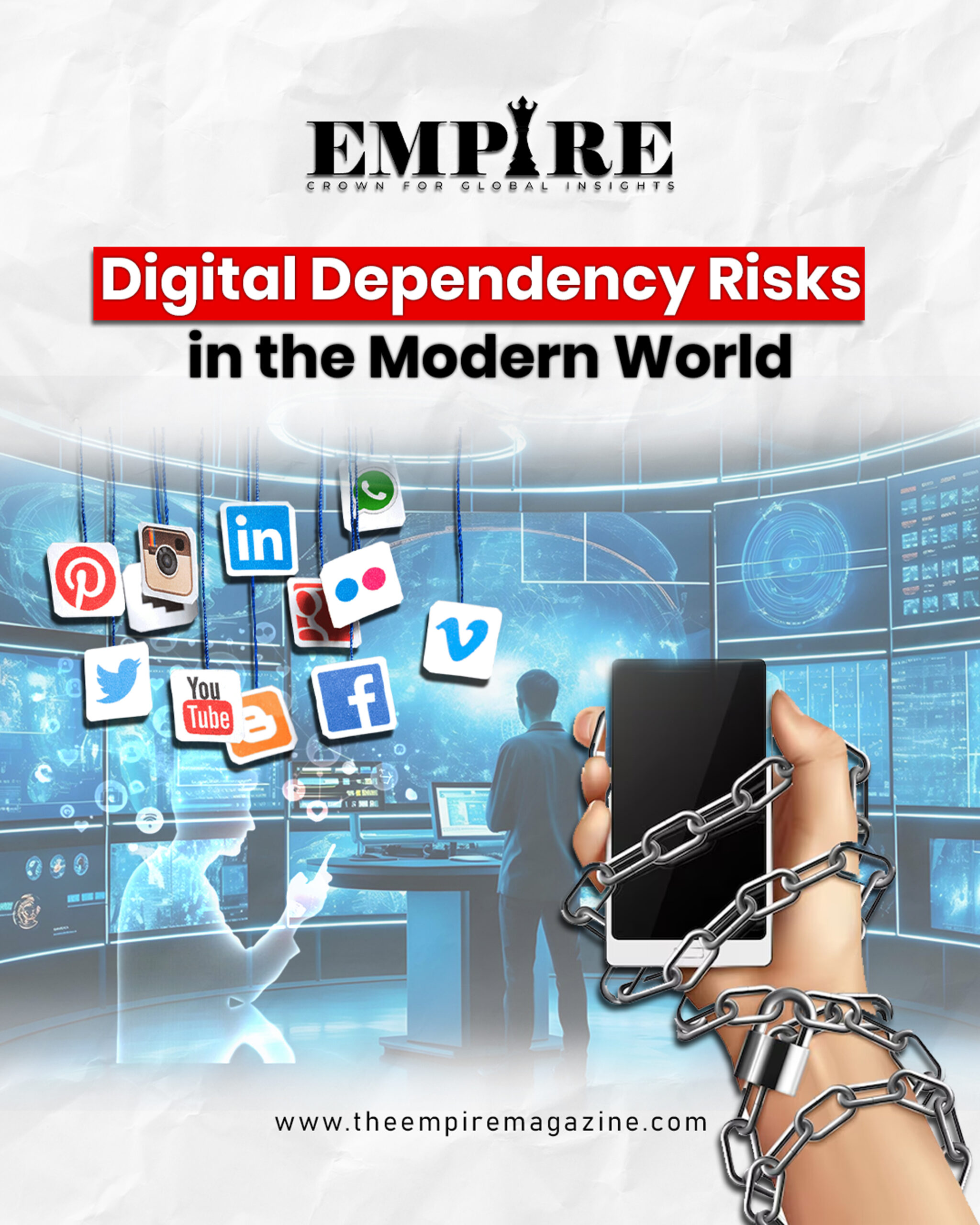
The rise of technology has transformed how people live, work, and communicate. While digital tools offer convenience and efficiency, the growing reliance on them has introduced serious concerns. The concept of Digital Dependency Risks highlights the hidden dangers of excessive dependence on digital devices and platforms.
From smartphones and social media to online services and artificial intelligence, digital systems are now deeply embedded in everyday life. However, this increasing dependency comes at a cost—affecting mental health, productivity, relationships, and even societal stability.
Understanding these risks is essential to maintaining a balanced and sustainable digital lifestyle.
What Is Digital Dependency?
Digital dependency refers to the excessive reliance on digital devices, platforms, and technologies to perform daily activities. It often leads to compulsive behavior, where individuals feel the need to stay constantly connected.
This dependency is not limited to social media—it extends to work, communication, entertainment, and even decision-making processes. Over time, it can interfere with normal routines and create unhealthy habits.
One of the most visible forms of digital dependency is social media addiction, where individuals spend excessive time online, often losing control over their usage patterns. Pasted text (2)
The Mental Health Impact of Digital Overuse
One of the most critical Digital Dependency Risks is its impact on mental health. Excessive screen time and constant online engagement can lead to:
- Anxiety and stress
- Depression and loneliness
- Low self-esteem due to comparison
- Sleep disturbances
Studies show that a significant percentage of young users exhibit problematic social media behavior, indicating addiction-like patterns. Pasted text
The constant need for validation through likes, comments, and shares creates a psychological loop, making it difficult for individuals to disconnect.
Cyberbullying and Online Harassment
Digital platforms have also given rise to cyberbullying, which can have severe emotional and psychological consequences. Victims often experience:
- Emotional distress
- Social withdrawal
- Loss of confidence
- In extreme cases, self-harm
Online anonymity and lack of accountability can amplify harmful behavior, making digital spaces unsafe for many users. Pasted text
Impact on Productivity and Daily Life
Digital dependency can significantly affect productivity. Constant notifications, social media distractions, and multitasking reduce focus and efficiency.
Common issues include:
- Difficulty concentrating on tasks
- Procrastination and time mismanagement
- Reduced work performance
- Academic challenges
Excessive digital usage can also blur the boundaries between work and personal life, leading to burnout.
Physical Health Consequences
The effects of digital dependency are not limited to mental health—they also impact physical well-being.
Prolonged screen time can lead to:
- Eye strain and headaches
- Poor posture and back pain
- Sleep disruption
- Sedentary lifestyle and weight gain
These physical issues often develop gradually, making them easy to overlook until they become serious.
Social Isolation and Relationship Strain
Ironically, while digital platforms are designed to connect people, they can lead to social isolation. Excessive online interaction often replaces meaningful real-world relationships.
This can result in:
- Weakened family and social bonds
- Reduced face-to-face communication
- Increased feelings of loneliness
- Emotional disconnect
Over time, individuals may find it harder to build and maintain genuine relationships.
The Role of Technology Design
Modern digital platforms are designed to maximize user engagement. Features such as infinite scrolling, notifications, and personalized content create addictive experiences.
These systems trigger dopamine release in the brain, reinforcing usage patterns and encouraging repeated engagement. Pasted text (2)
This design approach contributes significantly to digital dependency, making it difficult for users to control their usage.
Global Response and Regulatory Measures
Recognizing the growing risks, several countries have started implementing measures to regulate digital usage, especially among children.
Some key approaches include:
- Age restrictions on social media platforms
- Parental consent requirements
- Digital literacy programs
- School policies limiting device usage
These efforts aim to create safer digital environments and promote responsible usage.
Breaking Free from Digital Dependency
Addressing Digital Dependency Risks requires conscious effort and lifestyle changes. Individuals can take several steps to regain control:
1. Set Clear Boundaries
Limit screen time and create designated tech-free zones.
2. Practice Digital Detox
Take regular breaks from digital devices to reset habits.
3. Focus on Offline Activities
Engage in hobbies, exercise, and social interactions.
4. Monitor Usage
Use tools to track and manage screen time.
5. Seek Professional Help
In severe cases, counseling or therapy can help address addiction.
The Need for Digital Balance
The goal is not to eliminate technology but to use it responsibly. A balanced approach ensures that digital tools enhance life rather than control it.
Education plays a crucial role in this process. Schools, parents, and organizations must work together to promote digital literacy and healthy habits.
For more insights, read here:
👉 https://theempiremagazine.com/?p=5789
Stay connected with us:
📸 Instagram: https://www.instagram.com/the_empire_magazine/
📘 Facebook: https://www.facebook.com/profile.php?id=61573749076160
– The Empire Magazien
Crown For Global Insights