Cardiopulmonary Resuscitation: Steps That Save Lives
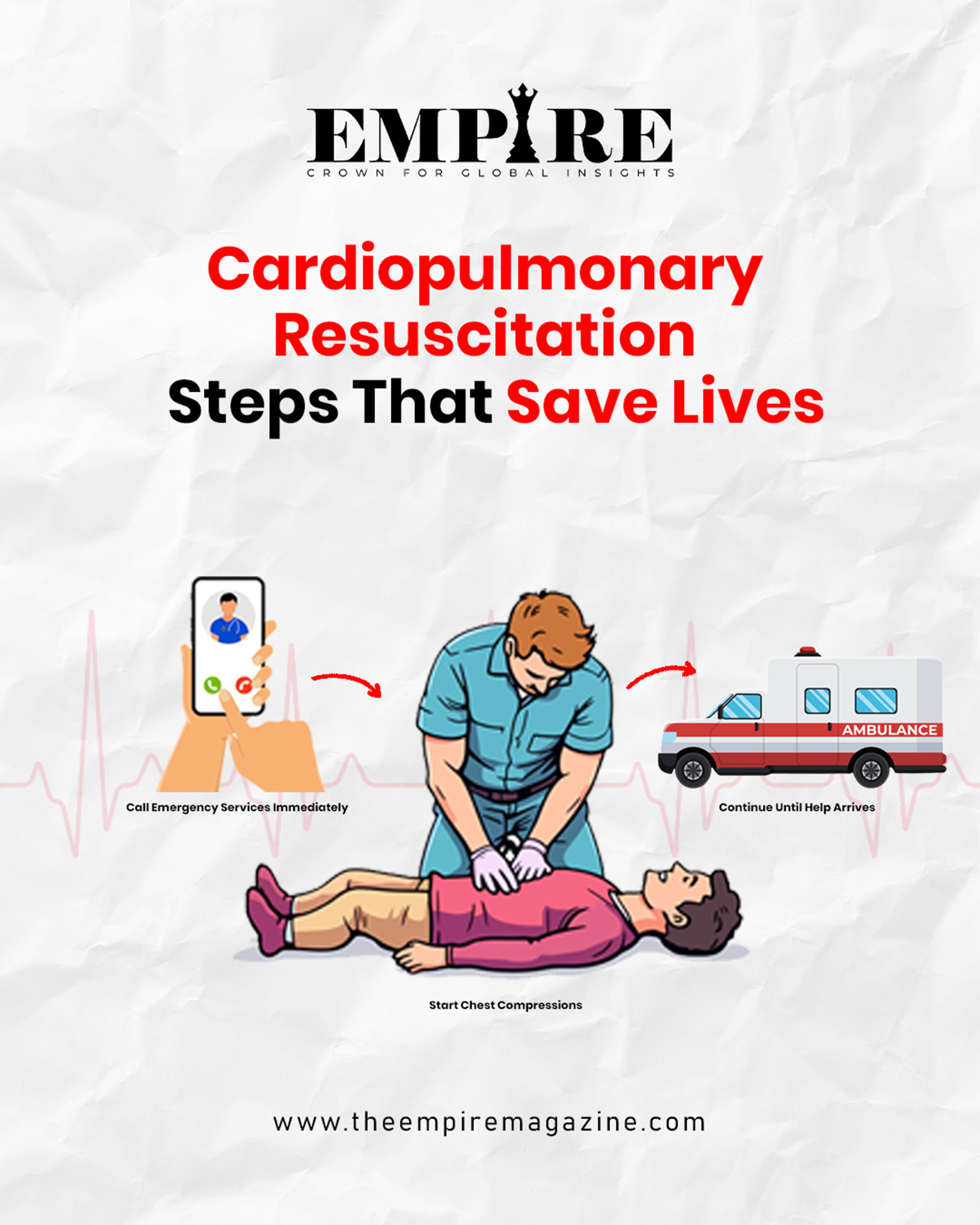
Cardiopulmonary Resuscitation is one of the most important emergency interventions in modern healthcare. It is a life-saving technique used when a person’s heart stops beating effectively or when breathing has stopped. By combining chest compressions with rescue breathing in the appropriate situation, cardiopulmonary resuscitation helps maintain blood flow and oxygen delivery to vital organs until normal circulation can be restored.
The value of Cardiopulmonary Resuscitation cannot be overstated. In cardiac arrest, every second matters. The brain and other organs begin to suffer damage within minutes when oxygen-rich blood is no longer circulating. Fast recognition, early action, and proper CPR technique can dramatically improve the chances of survival and better recovery. Whether performed by trained healthcare professionals or bystanders in the community, CPR remains one of the most powerful tools available in an emergency.
What Is Cardiopulmonary Resuscitation?
Cardiopulmonary Resuscitation, often called CPR, is an emergency procedure used to support a person in cardiac arrest. It has 2 main components: chest compressions and artificial ventilation. Chest compressions help move blood through the heart and body, while rescue breaths help bring oxygen into the lungs.
There are 2 main forms of CPR. The first is conventional CPR, which combines chest compressions with rescue breaths. The second is compression-only CPR, which focuses only on chest compressions and is often recommended for untrained bystanders. Both methods are designed to keep the person alive until advanced medical help arrives or the heart starts beating normally again.
Why CPR Matters in Emergencies
When the heart suddenly stops, the body loses its ability to deliver oxygen to the brain and other essential organs. Without immediate action, irreversible damage can happen quickly. CPR helps buy time by creating artificial circulation and maintaining some oxygenation.
This emergency intervention is especially important because many cardiac arrests happen outside hospitals. In many cases, they occur at home, and not all are witnessed right away. This means family members, coworkers, or nearby individuals may be the first people able to help. Quick CPR can make a major difference before emergency responders arrive.
Bystander action is particularly valuable. Early CPR increases the likelihood of survival and improves the chances of preserving brain function. When CPR is combined with rapid defibrillation through an automated external defibrillator, survival chances rise even more.
The Core Principles of High-Quality CPR
The effectiveness of Cardiopulmonary Resuscitation depends heavily on quality. High-quality CPR is not just about starting compressions. It is about performing them correctly and consistently.
Key elements of high-quality CPR include:
- a compression rate of 100 to 120 compressions per minute
- sufficient compression depth
- full chest recoil after each compression
- minimal interruptions
- proper ventilation when rescue breaths are given
For adults, chest compressions should be deep enough to create effective blood flow while avoiding unnecessary delays between cycles. The goal is to maintain circulation to the heart and brain. Full recoil is equally important because it allows the heart to refill between compressions.
Ventilation must also be done carefully. Too much ventilation or too rapid breathing can increase pressure in the chest and reduce blood returning to the heart. This is why balancing compressions and breathing is so important during CPR.
When Cardiopulmonary Resuscitation Is Needed
Cardiopulmonary Resuscitation is indicated when a person is unresponsive, not breathing normally, or has no detectable pulse. Abnormal gasping, sometimes called agonal breathing, should not be mistaken for normal breathing. In such cases, CPR may still be necessary.
Cardiac arrest is the most common reason CPR is started. However, there are other emergencies where CPR may become necessary, including drowning, severe trauma, drug overdose, and respiratory arrest. In respiratory arrest, a person may still have a pulse but is not breathing adequately. Rescue breathing may be provided until the situation changes or advanced care becomes available.
Early recognition of these warning signs is essential. The faster CPR begins, the better the chance of a positive outcome.
The Basic Steps of CPR
Performing Cardiopulmonary Resuscitation begins with scene safety. The rescuer must first make sure the environment is safe for both the victim and the person providing aid. Once the area is safe, the next step is to check for responsiveness by tapping the person and calling out loudly.
If there is no response, emergency services should be contacted immediately, and an automated external defibrillator should be retrieved if available. Breathing and pulse should be checked briefly. If the person is not breathing normally and has no pulse, CPR should begin right away.
The standard sequence used is CAB:
- C for chest compressions
- A for airway
- B for breathing
For adult CPR, the rescuer places their hands on the lower half of the breastbone and begins compressions at 100 to 120 per minute. After 30 compressions, the airway is opened using the head tilt-chin lift method unless a neck injury is suspected. If trauma is suspected, a jaw-thrust maneuver is preferred. Then 2 rescue breaths are given, each lasting about 1 second, just enough to make the chest rise. This cycle of 30 compressions and 2 breaths continues until help arrives or an automated external defibrillator becomes available.
Compression-Only CPR and Its Importance
Not everyone feels comfortable giving rescue breaths, especially in public emergencies involving strangers. In these situations, compression-only CPR is an acceptable and valuable alternative for untrained bystanders.
Compression-only CPR focuses on uninterrupted chest compressions. This method is simpler to teach, easier to remember, and can still provide critical support until emergency medical services arrive. For many adults in sudden cardiac arrest, immediate chest compressions alone can be life-saving.
Healthcare providers may still choose conventional CPR when barrier devices or proper equipment are available, but compression-only CPR remains a vital option when rescue breathing cannot be performed.
CPR for Children and Infants
Cardiopulmonary Resuscitation must be adjusted based on the age of the patient. Children and infants are not treated exactly the same as adults because their body size and anatomy differ.
For children, compressions are usually performed with one or both hands depending on body size. The chest should be compressed about 2 inches deep at the same rate used for adults. The cycle remains 30 compressions followed by 2 breaths in a single-rescuer setting.
For infants, the technique changes further. Two fingers are placed just below the nipple line, and the chest is compressed about 1.5 inches deep. Rescue breaths remain an essential part of pediatric CPR because many pediatric arrests begin with breathing problems rather than sudden heart rhythm issues.
Knowing these differences is important because age-appropriate CPR improves effectiveness and reduces the risk of injury.
Defibrillation and Advanced Support
CPR is critical, but it is not always the final treatment. Certain rhythms, such as ventricular fibrillation and pulseless ventricular tachycardia, require electrical defibrillation to restore a normal heart rhythm. That is why automated external defibrillators are so important in public and clinical settings.
As soon as an automated external defibrillator arrives, its pads should be applied promptly while minimizing interruptions in chest compressions. If a shock is advised, everyone should stand clear. Immediately after the shock, CPR should resume without delay.
Advanced healthcare teams may also use bag-valve masks, airway devices, medications, and coordinated team-based resuscitation strategies. In hospitals, CPR often involves multiple trained professionals working together, each with a defined role.
Complications of CPR
Although Cardiopulmonary Resuscitation saves lives, it can also cause complications. Rib fractures and sternal fractures are among the most common injuries, particularly after prolonged or forceful compressions. Internal injuries can also occur, including injury to the lungs, heart, liver, or surrounding structures.
These complications can sound serious, but they do not reduce the importance of CPR in a true cardiac arrest. When a person has no pulse and is not breathing, the priority is survival. Effective CPR offers the best chance of keeping the person alive until definitive care can be provided.
Teamwork and Communication During Resuscitation
Strong CPR outcomes do not depend only on technical skill. Communication and teamwork also play a major role. In clinical settings, successful resuscitation requires clear leadership, defined responsibilities, and fast decision-making.
Teams perform best when members communicate clearly, minimize confusion, and coordinate their actions. Debriefing after resuscitation is also valuable because it helps improve future performance. Public education, organized emergency systems, and access to defibrillators all contribute to better survival outcomes.
Final Thoughts
Cardiopulmonary Resuscitation remains one of the most essential emergency procedures in healthcare and public safety. It is a direct, practical, and often life-saving response to cardiac arrest. By maintaining blood circulation and oxygen delivery, CPR gives patients a critical chance at survival until advanced care can take over.
The most important lessons are simple: recognize cardiac arrest quickly, act without delay, perform high-quality chest compressions, and use defibrillation as soon as possible when available. Whether in the community or inside a hospital, timely and effective CPR can mean the difference between life and death.
Read more here:
Internal Link: https://theempiremagazine.com/?p=5629
Follow us on social media:
Instagram: https://www.instagram.com/the_empire_magazine/
Facebook: https://www.facebook.com/profile.php?id=61573749076160
– The Empire Magazine
Crown For Global Insights