
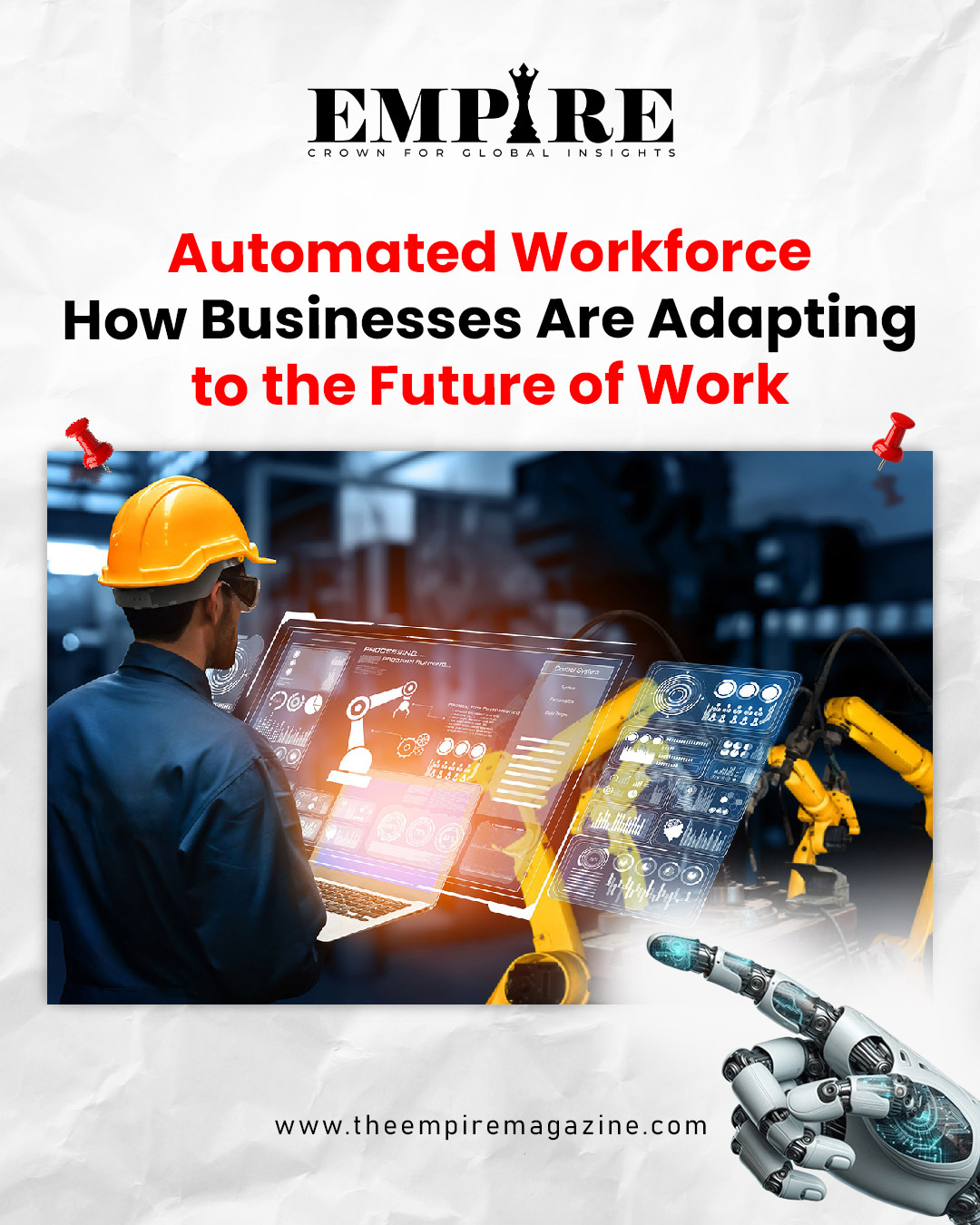
The rise of automation is reshaping workplaces around the world. Businesses are increasingly adopting advanced technologies to improve efficiency, streamline operations, and remain competitive in rapidly evolving markets. From manufacturing plants and warehouses to customer service centers and corporate offices, automation is becoming a key part of business strategy.
An automated workforce does not simply mean replacing employees with machines. Instead, it involves creating an environment where technology and human workers collaborate to achieve better results. Companies are investing heavily in employee training, digital tools, and workforce planning to ensure they can successfully adapt to this transformation.
Automated Workforce and Employee Upskilling
One of the biggest priorities for organizations preparing for an automated workforce is employee development. According to reports from global organizations such as the World Economic Forum, many jobs will evolve rather than disappear as automation expands.
Businesses are introducing training programs that help workers develop skills needed in modern workplaces. Common areas of focus include:
- Data analysis
- Digital literacy
- Cybersecurity awareness
- Cloud computing
- Artificial intelligence fundamentals
- Technical problem-solving
Upskilling initiatives allow employees to transition into new roles that require human judgment, creativity, and decision-making. Companies understand that investing in people is essential for long-term success in an increasingly automated environment.
Automated Workforce and Digital Transformation
Digital transformation is a major step in preparing for an automated workforce. Organizations are upgrading systems and adopting technologies that support automation across multiple departments.
Many businesses are implementing:
- Cloud-based platforms
- Automated workflow systems
- Enterprise resource planning software
- Predictive analytics tools
- Data management solutions
These technologies help improve operational efficiency and reduce repetitive manual tasks. Employees can then focus on strategic responsibilities that create greater value for the organization.
Businesses that successfully integrate automation often combine technology investments with workforce development programs to ensure employees are prepared for changing job requirements.
For more insights on business innovation and workplace trends, visit our internal resource: https://theempiremagazine.com/?p=7151
Automated Workforce in Manufacturing
Manufacturing has been one of the leading sectors in automation adoption. Companies use advanced machinery and robotics to increase productivity while maintaining consistent quality standards.
Automation in manufacturing supports:
- Product assembly
- Packaging operations
- Quality inspections
- Material transportation
- Inventory management
These systems help reduce production errors and improve workplace safety.
Robotics and the Automated Workforce
Industrial robots have become an important part of modern manufacturing facilities. Robots can perform repetitive tasks with precision and speed, allowing human employees to focus on monitoring systems, maintenance, and quality control.
As robotics adoption increases, companies are training employees to operate and maintain automated equipment, creating new technical career opportunities.
Smart Factories and the Automated Workforce
Smart factories use connected technologies to improve production efficiency. Sensors, software, and real-time data monitoring help manufacturers identify issues before they cause disruptions.
Employees working in smart factories often manage automated systems and analyze production data, demonstrating how automation changes job responsibilities rather than eliminating the need for human workers.
Automated Workforce in Customer Service
Customer service operations have also experienced significant automation. Businesses are using technology to provide faster and more efficient support to customers.
Popular solutions include:
- Chatbots
- Virtual assistants
- Self-service portals
- Automated ticketing systems
These tools help organizations handle routine customer inquiries while reducing response times.
Human Collaboration in an Automated Workforce
Despite the growth of automation, human interaction remains essential in customer service. Automated systems are effective for answering common questions, but complex issues often require empathy, critical thinking, and problem-solving skills.
Many companies use a hybrid approach where automation handles repetitive tasks and human representatives focus on customer relationships and advanced support needs.
Automated Workforce and Workforce Planning
Preparing for an automated workforce requires careful planning. Businesses are analyzing future workforce needs to ensure they have the right talent and skills available.
Organizations are evaluating:
- Emerging job roles
- Future skill requirements
- Technology implementation schedules
- Talent acquisition strategies
Workforce planning allows companies to identify potential skill gaps before they become major challenges.
Future Skills for an Automated Workforce
Employers increasingly value skills that complement automation technologies. These include:
- Critical thinking
- Creativity
- Leadership
- Emotional intelligence
- Data interpretation
- Strategic decision-making
By developing these capabilities, employees can remain valuable contributors in highly automated workplaces.
Automated Workforce and Ethical Considerations
As automation expands, businesses are paying closer attention to ethical concerns. Responsible implementation is essential for maintaining employee trust and organizational stability.
Common considerations include:
- Workforce transitions
- Data privacy
- Transparency in automated decisions
- Fair workplace practices
Organizations are developing policies that encourage responsible use of automation technologies while protecting employee interests.
Employee Communication About the Automated Workforce
Clear communication is critical during automation initiatives. Employees often have concerns about how technological changes may affect their roles.
Companies that provide regular updates and involve employees in the transition process are more likely to achieve successful outcomes. Open communication helps reduce uncertainty and encourages workforce engagement.
Automated Workforce in Logistics and Supply Chains
Supply chain operations are becoming increasingly automated. Businesses are implementing technologies that improve inventory management, warehouse operations, and delivery efficiency.
Automation tools commonly used in logistics include:
- Warehouse robotics
- Automated sorting systems
- Inventory tracking software
- Route optimization platforms
These technologies help companies respond more effectively to customer demand while reducing operational costs.
Warehouse Automation and the Automated Workforce
Modern warehouses use automation to improve speed and accuracy. Employees work alongside automated systems that assist with inventory movement and order fulfillment.
Rather than replacing workers entirely, warehouse automation often changes job responsibilities and creates demand for technical and supervisory roles.
Automated Workforce and Leadership Development
Leadership plays a crucial role in helping organizations adapt to automation. Companies are investing in leadership development programs that focus on managing technological change.
Key leadership priorities include:
- Change management
- Innovation strategy
- Workforce development
- Digital transformation planning
Strong leadership helps organizations balance technology adoption with employee support.
Building a Culture for an Automated Workforce
Successful automation requires more than technology. Businesses must create a culture that encourages learning, adaptability, and innovation.
Organizations that promote continuous learning are better positioned to navigate technological change and maintain long-term competitiveness.
Facebook: https://www.facebook.com/profile.php?id=61573749076160
Instagram: https://www.instagram.com/the_empire_magazine/
– The Empire Magazine
Crown For Global Insights