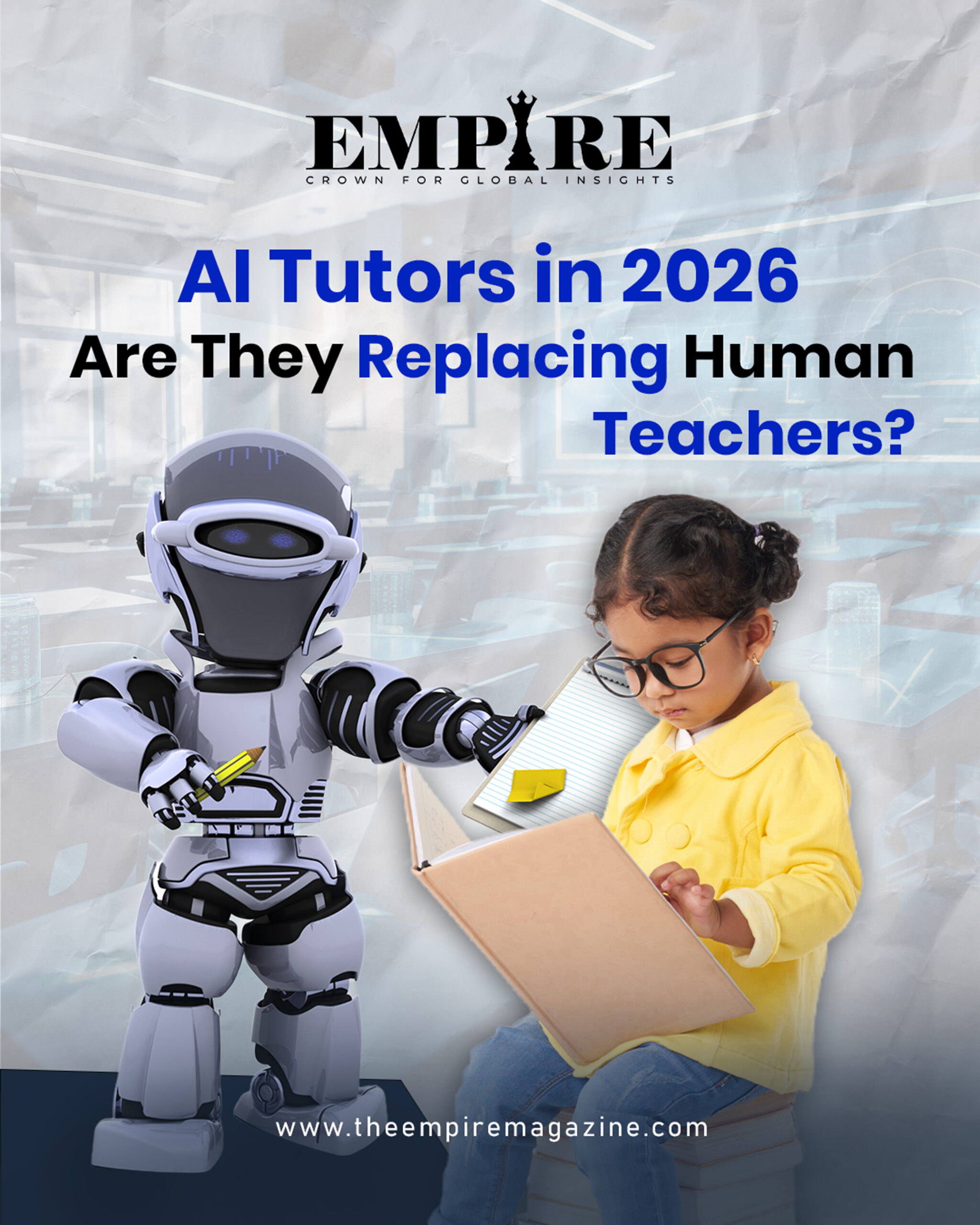
AI Tutors in 2026 have evolved into highly sophisticated learning companions, sparking an intense global debate: Are they on the verge of replacing human teachers? While AI-powered tutoring systems are transforming education with unprecedented personalization and accessibility, the reality in 2026 is far more nuanced. Rather than outright replacement, AI tutors are emerging as powerful collaborators that enhance — but do not eliminate — the irreplaceable role of human educators.
The Rise of AI Tutors in 2026
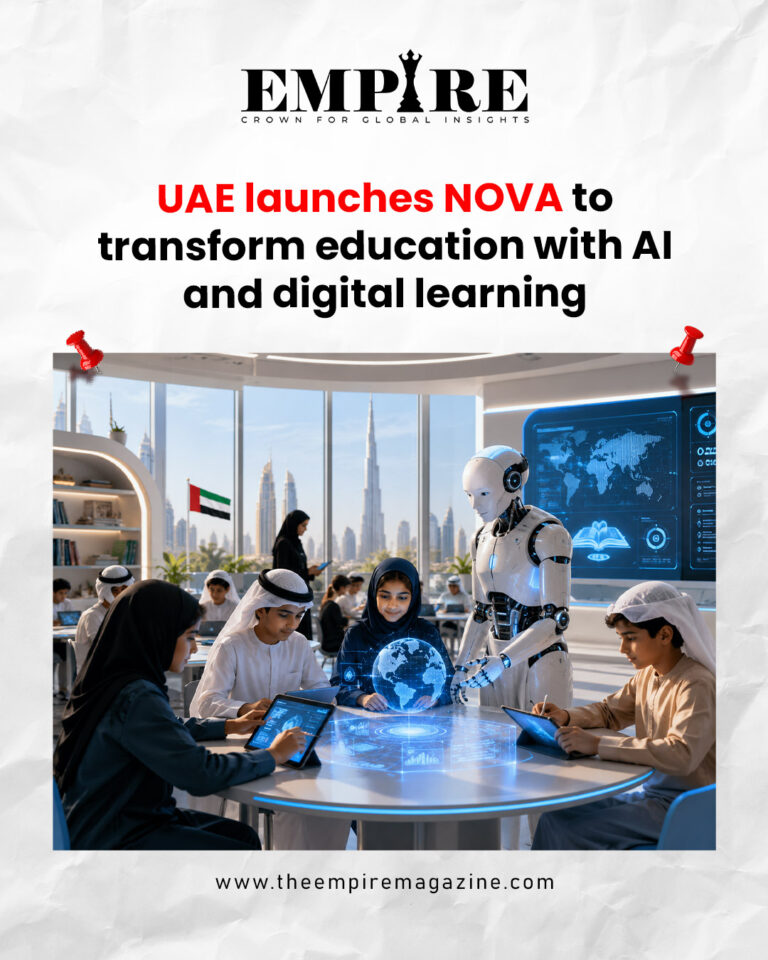
The year 2026 marks a significant milestone in educational technology. AI tutors have moved beyond basic chatbots to become intelligent, adaptive systems capable of delivering personalized education at scale. Powered by advanced multimodal models, these tutors can understand voice, text, images, and even emotional cues from students.
In India alone, millions of students are now using AI tutoring platforms for school subjects, competitive exam preparation (JEE, NEET, UPSC), and skill development. The combination of affordable smartphones, cheaper data, and localized content (including strong Hinglish and regional language support) has accelerated adoption across Tier 2, Tier 3 cities, and rural areas.
Major players and startups have invested heavily in developing India-specific AI tutors that understand local curricula, cultural context, and diverse learning styles.
Key Capabilities of Modern AI Tutors
Today’s AI tutors offer advanced features that were unimaginable just a few years ago:
- Hyper-Personalized Learning Paths: AI analyzes a student’s performance in real-time and adjusts difficulty, pace, and teaching style accordingly.
- 24/7 Instant Doubt Resolution: Students can ask questions in natural language (including Hinglish) and receive accurate, contextual explanations.
- Multimodal Learning: Integration of video explanations, interactive simulations, voice conversations, and visual diagrams.
- Continuous Assessment & Feedback: Automated tests, progress reports, and predictive analytics that identify learning gaps before they widen.
- Emotional Recognition: Some advanced systems can detect frustration, confusion, or disengagement and adjust their approach or suggest breaks.
Advantages of AI Tutors
The benefits of AI tutors are particularly significant in a country like India:
- Massive Scalability: One AI tutor can support thousands of students simultaneously, helping address the acute shortage of qualified teachers.
- Affordability: High-quality tutoring is now accessible at a fraction of traditional coaching fees.
- Unlimited Patience: AI never gets tired, frustrated, or biased — it can repeat explanations endlessly.
- Data-Driven Insights: Teachers and parents receive detailed analytics on student progress and learning patterns.
- Accessibility: Students in remote areas can access the same quality of education as those in metropolitan cities.
Limitations: Why Human Teachers Remain Essential
Despite impressive advancements, AI tutors still have significant shortcomings:
- Lack of Emotional Intelligence: AI cannot truly empathize, motivate, or provide emotional support during a student’s low moments.
- Limited Creative & Critical Thinking: While AI excels at facts and procedures, it struggles with deep conceptual understanding, moral reasoning, and fostering original thinking.
- Cultural & Ethical Guidance: Human teachers play a vital role in character building, values education, and social-emotional learning.
- Inspiration & Mentorship: The human connection, encouragement, and role-modeling that great teachers provide cannot be replicated by algorithms.
The Future: Human + AI Hybrid Education Model
Most education experts now believe the winning formula for 2026 and beyond is a hybrid model:
- AI handles repetitive tasks, practice drills, personalization, and administrative work.
- Human teachers focus on mentorship, critical thinking, emotional support, classroom discussions, and inspiring students.
Many progressive schools and coaching institutes in India are successfully implementing this blended approach, reporting better learning outcomes and higher student engagement.
The Road Ahead for India
With over 250 million students, India has one of the world’s largest education markets. AI tutors have the potential to democratize quality education, but several challenges must be addressed:
Ensuring AI does not widen inequality between privileged and underprivileged students.
Bridging the digital divide in rural areas
Improving data privacy and ethical AI usage
Training teachers to work effectively alongside AI tools
Developing high-quality content in all regional languages
For more insights on this evolving trend, read our detailed coverage here: https://theempiremagazine.com/?p=6424
Follow The Empire Magazine for more updates on EdTech, AI, and future of education:
– The Empire Magazine
Crown For Global Insights