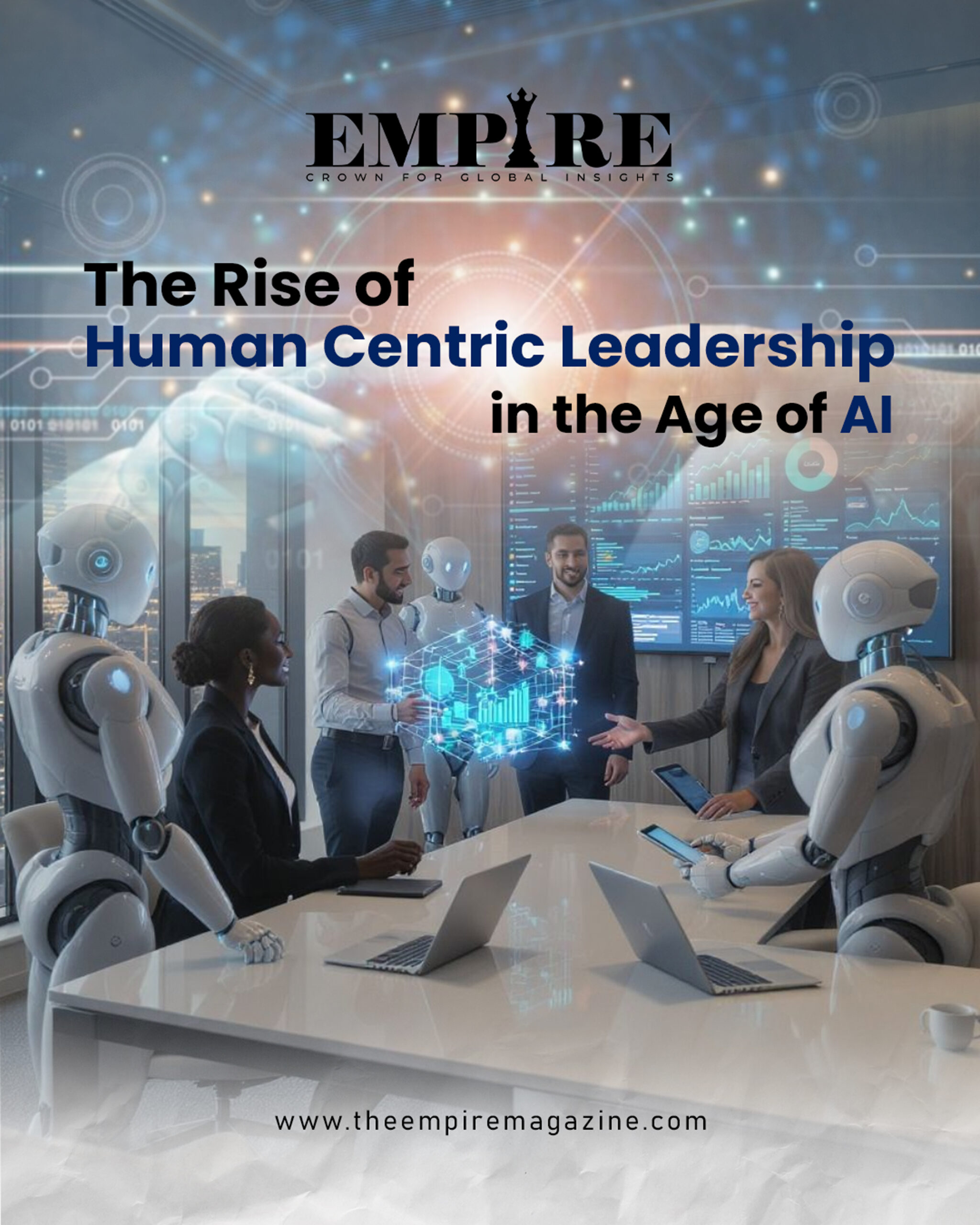
The rise of human-centric leadership in the age of AI represents a fundamental shift in how organizations operate and thrive in the modern world. As artificial intelligence transforms industries, forward-thinking leaders are placing human values, emotions, and potential at the center of their strategies.
Understanding The Rise Human-Centric Leadership in the AI Era
Human-centric leadership prioritizes people over processes and technology. It emphasizes empathy, emotional intelligence, purpose, and genuine connection while smartly integrating AI tools. In an age where machines can handle complex calculations, data analysis, and repetitive tasks, the irreplaceable human qualities — creativity, compassion, intuition, and ethical judgment — have become even more valuable.
This leadership style focuses on creating workplaces where employees feel valued, respected, and inspired. Rather than viewing AI as a replacement for human workers, human-centric leaders see it as a powerful ally that enhances human capabilities.
Why Human-Centric Leadership is Gaining Momentum
The rapid adoption of AI across sectors has created both opportunities and challenges. While AI boosts efficiency and productivity, it also raises concerns about job security, mental health, isolation in remote work, and ethical decision-making. Employees today seek more than competitive salaries — they desire meaningful work, psychological safety, recognition, and opportunities for growth.
Leaders who adopt a human-centric approach are better equipped to address these needs. They build trust, foster collaboration, and create cultures where technology serves people instead of the other way around. This balance is proving essential for long-term organizational success, higher employee retention, and sustained innovation.
Key Elements of The Rise Of Human-Centric Leadership
Effective human-centric leaders in the AI age demonstrate several important traits:
- High Emotional Intelligence: They understand and manage their own emotions while recognizing and responding to the emotions of team members.
- Empathy-Driven Decision Making: They consider the human impact of every technological change or policy decision.
- Purpose and Values Alignment: They connect AI implementation and business goals to a larger, meaningful purpose that resonates with employees.
- Continuous Learning Culture: They encourage both technical upskilling and the development of soft skills that AI cannot replicate.
- Ethical AI Governance: They ensure artificial intelligence is used responsibly, transparently, and fairly.
- Inclusive and Collaborative Approach: They involve team members in shaping how AI tools are adopted and integrated.
These qualities help create resilient, motivated teams capable of navigating rapid technological change.
Benefits for Organizations and Employees
Organizations that embrace human-centric leadership enjoy multiple advantages. Employee engagement and morale improve significantly when people feel genuinely cared for. Creativity and innovation flourish in environments where employees are not treated as mere cogs in a machine.
Such companies also experience lower turnover rates, reduced burnout, and stronger customer relationships. Because empathetic leaders build empathetic teams, customer service and user experience often reach higher standards.
From a business performance perspective, human-centric organizations demonstrate better adaptability during uncertainty, stronger employer branding, and improved long-term financial results. They attract top talent who prefer workplaces that value human connection alongside technological advancement.
Challenges in Implementing Human-Centric Leadership
Shifting to this leadership style is not without difficulties. Many leaders were trained in traditional, hierarchical, or purely results-driven models. There can be pressure to prioritize short-term gains from AI automation over long-term human development.
Resistance to change, skill gaps, and measuring the ROI of “soft” leadership practices are common obstacles. Additionally, balancing efficiency demands with human needs requires conscious effort and consistent practice.
Successful organizations overcome these challenges through dedicated leadership training programs, regular feedback mechanisms, mentorship initiatives, and clear communication about the role of AI in the workplace.
The Future of Leadership
The rise of human-centric leadership signals a maturing relationship with technology. The most successful leaders of tomorrow will be those who master the art of combining AI’s analytical power with distinctly human strengths.
As AI continues to evolve, the competitive edge will belong to organizations that nurture human potential while leveraging technology responsibly. This balanced approach will be critical for addressing complex global challenges, driving sustainable innovation, and building inclusive economies.
Leaders who invest in human-centric practices today are positioning their organizations for success in an increasingly automated future. They understand that technology should elevate humanity, not diminish it.
For more insights on this evolving leadership trend, read our detailed coverage here: The Rise of Human-Centric Leadership in the Age of AI
Follow The Empire Magazine for more thought-provoking content on leadership, technology, and business:
– The Empire Magazine
Crown For Global Insights