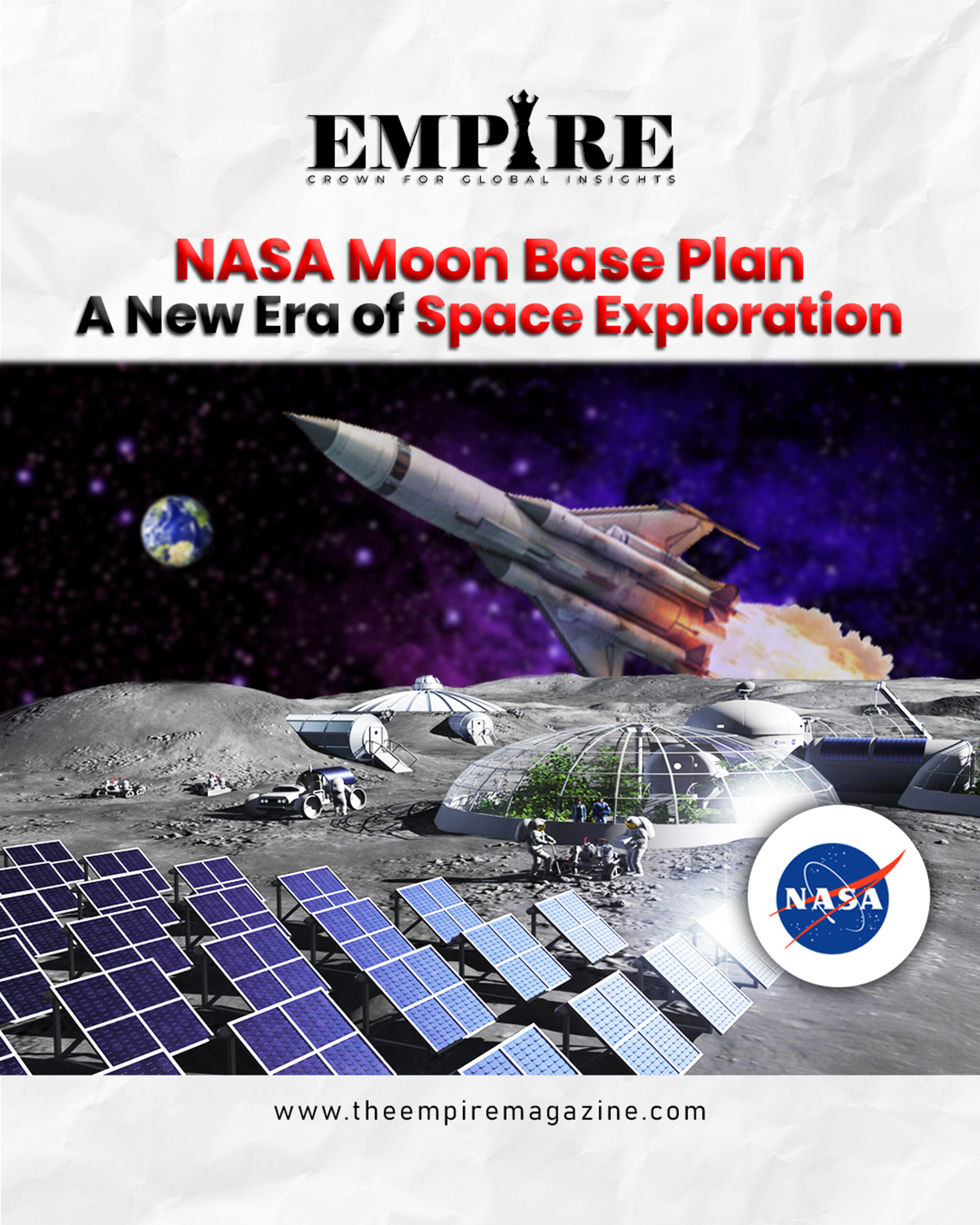
The NASA Moon Base Plan marks a significant shift in the future of space exploration. With a proposed investment of $20 billion over the coming years, the agency is redefining its long-term strategy by focusing on building a permanent base on the Moon’s surface and advancing nuclear-powered missions to Mars.
This bold move signals a transition from short-term exploration missions to long-term human presence beyond Earth. The new plan is designed to strengthen technological capabilities, expand scientific research, and position space exploration as a central pillar of future innovation.
From Orbit to Surface: A Strategic Shift
One of the most notable aspects of the NASA Moon Base Plan is the decision to move away from building a space station in lunar orbit. Instead, resources are being redirected toward constructing a base directly on the Moon’s surface.
This change reflects a more practical and long-term vision. A surface base allows for:
- Continuous human presence on the Moon
- Better testing of technologies for deep-space missions
- Direct access to lunar resources
- Improved preparation for future Mars exploration
By focusing on infrastructure on the Moon itself, the plan aims to create a sustainable environment for ongoing missions rather than temporary visits. Pasted text
The Role of Robotic Missions
Before humans return to the Moon, robotic missions will play a critical role in preparing the groundwork. These missions will help:
- Identify suitable locations for the base
- Test new technologies in real conditions
- Begin early construction activities
- Gather valuable scientific data
Robotic systems reduce risk and provide essential insights, ensuring that future human missions are safer and more efficient. This step-by-step approach reflects a careful and strategic expansion into deep space.
Nuclear Power on the Moon
A key component of the NASA Moon Base Plan is the development of nuclear power systems for use on the lunar surface. Unlike solar energy, which depends on sunlight availability, nuclear power can provide a stable and continuous energy supply.
This is particularly important because:
- The Moon experiences long periods of darkness
- Energy demands for operations and research are high
- Reliable power is essential for long-term habitation
Nuclear technology could become a cornerstone of future space infrastructure, enabling more advanced and sustainable missions.
Space Reactor 1 Freedom: Mission to Mars
In addition to lunar developments, NASA is planning to launch a nuclear-powered spacecraft known as Space Reactor 1 Freedom. This mission represents a major step toward Mars exploration.
The spacecraft will demonstrate nuclear electric propulsion, a technology that offers several advantages:
- Faster travel times compared to conventional propulsion
- Greater efficiency for long-distance missions
- Ability to carry heavier payloads
The mission is expected to deploy advanced exploration tools on Mars, including aerial vehicles similar to previous robotic innovations. This will enhance the ability to study the Martian surface in greater detail.
Building a Long-Term Presence on the Moon
The ultimate goal of the NASA Moon Base Plan is to establish a long-term human presence on the Moon. This involves creating infrastructure that supports:
- Living quarters for astronauts
- Scientific research facilities
- Resource extraction systems
- Communication and navigation networks
The Moon will serve as a testing ground for technologies and systems needed for future missions to Mars and beyond.
Global Competition in Space Exploration
The renewed focus on lunar exploration comes at a time of increasing global competition. Several countries are investing heavily in space programs, with ambitions to establish their presence on the Moon.
This competition is driving innovation and accelerating progress. It also highlights the strategic importance of space exploration in terms of technology, national security, and global leadership.
The NASA Moon Base Plan is not just about exploration—it is about maintaining a leading role in the next era of space development.
Challenges and Uncertainties
Despite its ambitious goals, the plan faces several challenges:
- Technical complexities in building lunar infrastructure
- High costs and budget constraints
- Coordination with international partners
- Delays in developing key technologies
Additionally, changes in strategy may affect existing partnerships and projects. Adapting to these changes will require careful planning and collaboration.
The Artemis Program and Future Missions
The NASA Moon Base Plan is part of a broader initiative aimed at returning humans to the Moon and eventually sending them to Mars. This initiative represents the most ambitious space program since the early days of lunar exploration.
The program focuses on:
- Establishing sustainable exploration systems
- Advancing scientific research
- Encouraging international collaboration
- Inspiring future generations
By building on past achievements and incorporating new technologies, the program aims to create a lasting impact on space exploration.
Why This Plan Matters
The significance of the NASA Moon Base Plan goes beyond space exploration. It has the potential to:
- Drive technological innovation
- Create new economic opportunities
- Expand scientific knowledge
- Strengthen global cooperation
It also represents humanity’s continued desire to explore and understand the universe.
For more insights, read here:
👉 https://theempiremagazine.com/?p=5793
Stay connected with us:
📸 Instagram: https://www.instagram.com/the_empire_magazine/
📘 Facebook: https://www.facebook.com/profile.php?id=61573749076160
– The Empire Magazien
Crown For Global Insights