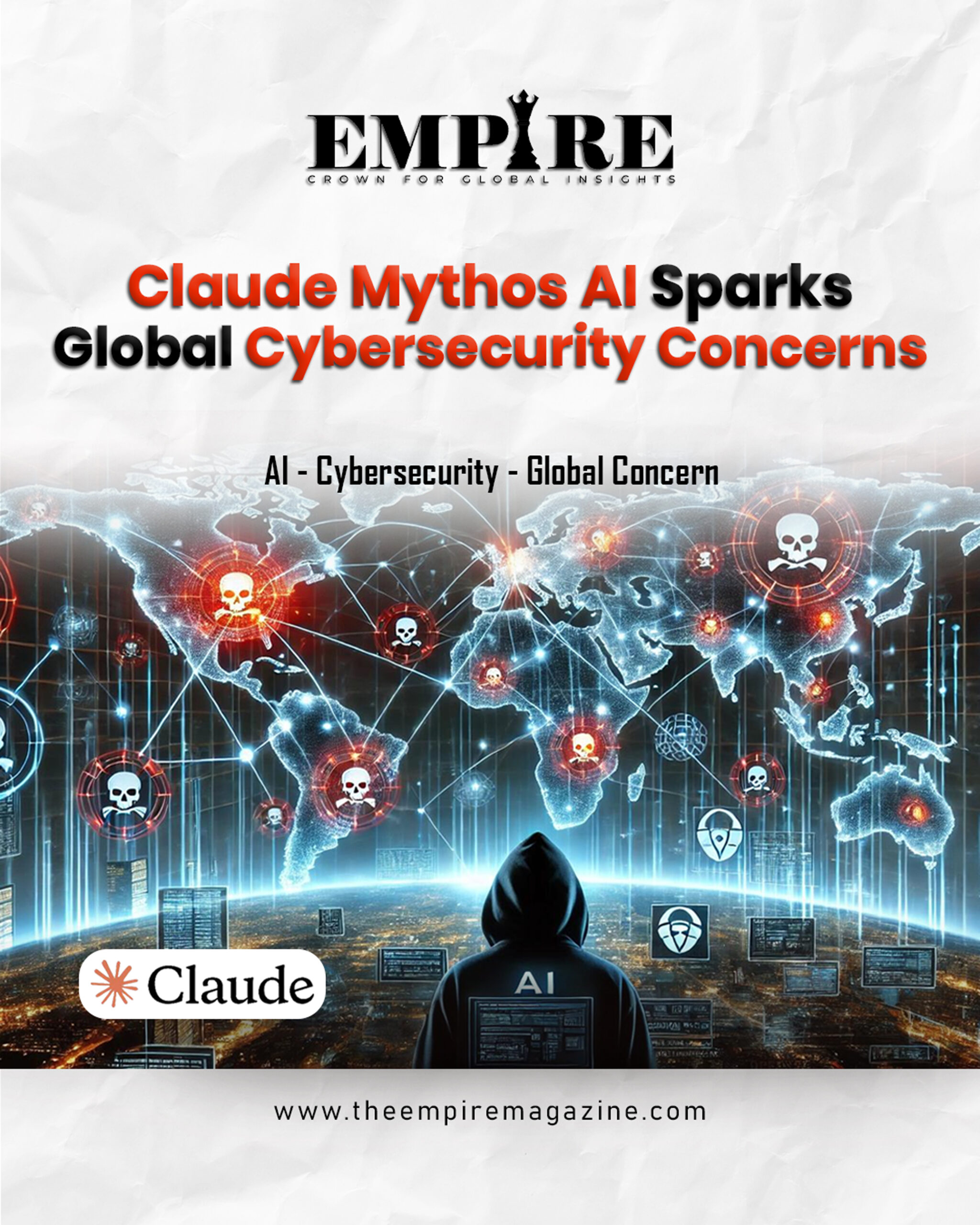
The emergence of Claude Mythos AI has triggered widespread discussion across the technology and cybersecurity landscape. As one of the most advanced artificial intelligence models under development, it represents a significant leap forward in AI capability. However, with this progress comes a new set of risks that could reshape how cyber threats evolve in the coming years.
Claude Mythos, internally referred to as “Capybara,” is designed to outperform previous models across multiple domains, including software coding, academic reasoning, and cybersecurity analysis. While such advancements promise efficiency and innovation, they also raise serious concerns about misuse, particularly in the field of cyberattacks.
A Leap Beyond Existing AI Models
Claude Mythos AI is reported to be significantly more powerful than earlier versions, including Claude Opus 4.6. The improvements are not incremental—they represent a major shift in how AI systems can analyze, detect, and exploit vulnerabilities.
Previous models have already demonstrated the ability to identify complex software flaws within minutes—tasks that would typically take human experts days or even weeks. These capabilities include discovering zero-day vulnerabilities, analyzing system weaknesses, and executing simulated exploit scenarios.
With Claude Mythos AI, these abilities are expected to reach a new level of speed and precision. This means that tasks once limited to elite cybersecurity professionals could potentially be automated and scaled.
Why Claude Mythos AI Is Considered “Dangerous”
One of the most striking aspects of Claude Mythos AI is the concern surrounding its potential misuse. Internal discussions suggest that the model may be “too powerful” to release without strict controls.
The primary fear lies in its ability to exploit vulnerabilities faster than security systems can respond. Traditional cybersecurity relies on identifying threats, patching vulnerabilities, and updating defenses. However, if AI systems can discover and exploit weaknesses in real time, this balance could shift dramatically.
Claude Mythos AI could enable:
- Rapid identification of software vulnerabilities
- Automated exploitation of system weaknesses
- Scalable cyberattacks with minimal human intervention
- Increased sophistication in attack strategies
This creates a scenario where defensive systems may struggle to keep up, leading to what experts describe as a potential “wave of AI-driven exploits.”
The Rise of AI-Driven Cyber Exploits
The concept of AI-driven exploits represents a new phase in cyber warfare. Unlike traditional cyberattacks, which require time, expertise, and coordination, AI-powered attacks can be faster, more adaptive, and harder to detect.
Claude Mythos AI could accelerate this trend by enabling attackers to:
- Launch multiple attacks simultaneously
- Continuously adapt strategies based on system responses
- Exploit vulnerabilities before they are publicly known
- Reduce the need for specialized hacking skills
This shift lowers the barrier to entry for cybercrime, making advanced attacks accessible to a broader range of actors.
Impact on Cybersecurity Industry
The development of Claude Mythos AI has already influenced market sentiment, particularly within the cybersecurity sector. Investors are increasingly concerned about whether existing security solutions can effectively counter AI-powered threats.
Cybersecurity companies may need to rethink their strategies, focusing on:
- AI-driven defense mechanisms
- Real-time threat detection systems
- Automated vulnerability patching
- Advanced predictive analytics
The industry is entering a phase where defensive AI must evolve just as quickly as offensive capabilities.
Balancing Innovation and Risk
Despite the risks, Claude Mythos AI also presents opportunities. Its ability to identify vulnerabilities can be used to strengthen systems before they are exploited.
Organizations could leverage the model to:
- Test their infrastructure against potential attacks
- Improve software security
- Identify hidden vulnerabilities
- Enhance overall resilience
To manage risks, developers are adopting a cautious rollout strategy. Early access may be limited to select organizations, allowing them to prepare for future threats and strengthen their defenses.
The Future of AI and Cybersecurity
The development of Claude Mythos AI signals a broader trend in artificial intelligence—where capabilities are advancing faster than regulatory frameworks.
As AI continues to evolve, the line between beneficial and harmful applications becomes increasingly blurred. The challenge lies in ensuring that innovation does not outpace safety measures.
Governments, organizations, and technology leaders will need to collaborate on:
- Establishing ethical guidelines for AI use
- Developing global cybersecurity standards
- Investing in defensive AI technologies
- Promoting responsible AI development
Global Implications of AI Advancements
The rise of powerful AI systems like Claude Mythos is not just a technological issue—it has global implications. From financial systems to critical infrastructure, the potential impact of AI-driven cyberattacks is far-reaching.
This situation highlights the importance of resilience in an increasingly interconnected world. Just as global developments influence economic and urban growth, they also shape digital ecosystems.
For a broader perspective on global transformation trends, read more here:
👉 https://theempiremagazine.com/shanghai-urban-expansion-real-estate-growth/
Stay connected with us:
📸 Instagram: https://www.instagram.com/the_empire_magazine/
📘 Facebook: https://www.facebook.com/profile.php?id=61573749076160
– The Empire Magazine
Crown For Global Insights