Technology in Real Estate is revolutionizing how properties are bought, sold, managed, and experienced. The traditional real estate industry, once dominated by manual processes, paperwork, and face-to-face negotiations, has undergone a massive transformation due to digital innovation. Today, technology is enhancing efficiency, transparency, and accessibility, making real estate more dynamic and customer-focused than ever before. Pasted text
The shift from traditional systems to digital platforms has not only streamlined operations but also opened new opportunities for investors, developers, agents, and buyers. As the industry continues to evolve, embracing technology has become essential for staying competitive in a fast-paced global market.
Evolution of Real Estate Before Technology
Before the adoption of digital tools, real estate transactions were time-consuming and complex. Buyers and sellers had to rely heavily on physical meetings, paperwork, and limited property information.
The lack of transparency and access to data often created challenges such as:
- Delayed transactions
- Limited market reach
- Inaccurate property information
- Inefficient communication
This traditional approach made it difficult for the industry to keep up with the growing demand for speed, accuracy, and convenience.
Digital Transformation in Real Estate
The introduction of digital technology has completely transformed real estate operations. Online property listings, digital documentation, and virtual communication tools have made transactions faster and more efficient.
Digital platforms allow buyers and sellers to connect instantly, eliminating geographical barriers. Virtual tours and online listings enable potential buyers to explore properties without physically visiting them, saving both time and resources.
These advancements have improved the overall experience for customers and professionals, making the industry more accessible and responsive.
PropTech: The Rise of Property Technology
One of the most significant developments in the industry is Property Technology (PropTech). PropTech refers to the use of digital tools and platforms to improve real estate processes.
Key areas of PropTech include:
- Online property platforms
- Smart property management systems
- Digital transaction tools
- Data-driven decision-making
PropTech has made real estate more transparent, efficient, and user-friendly, helping businesses deliver better services to customers.
Virtual Reality and Augmented Reality
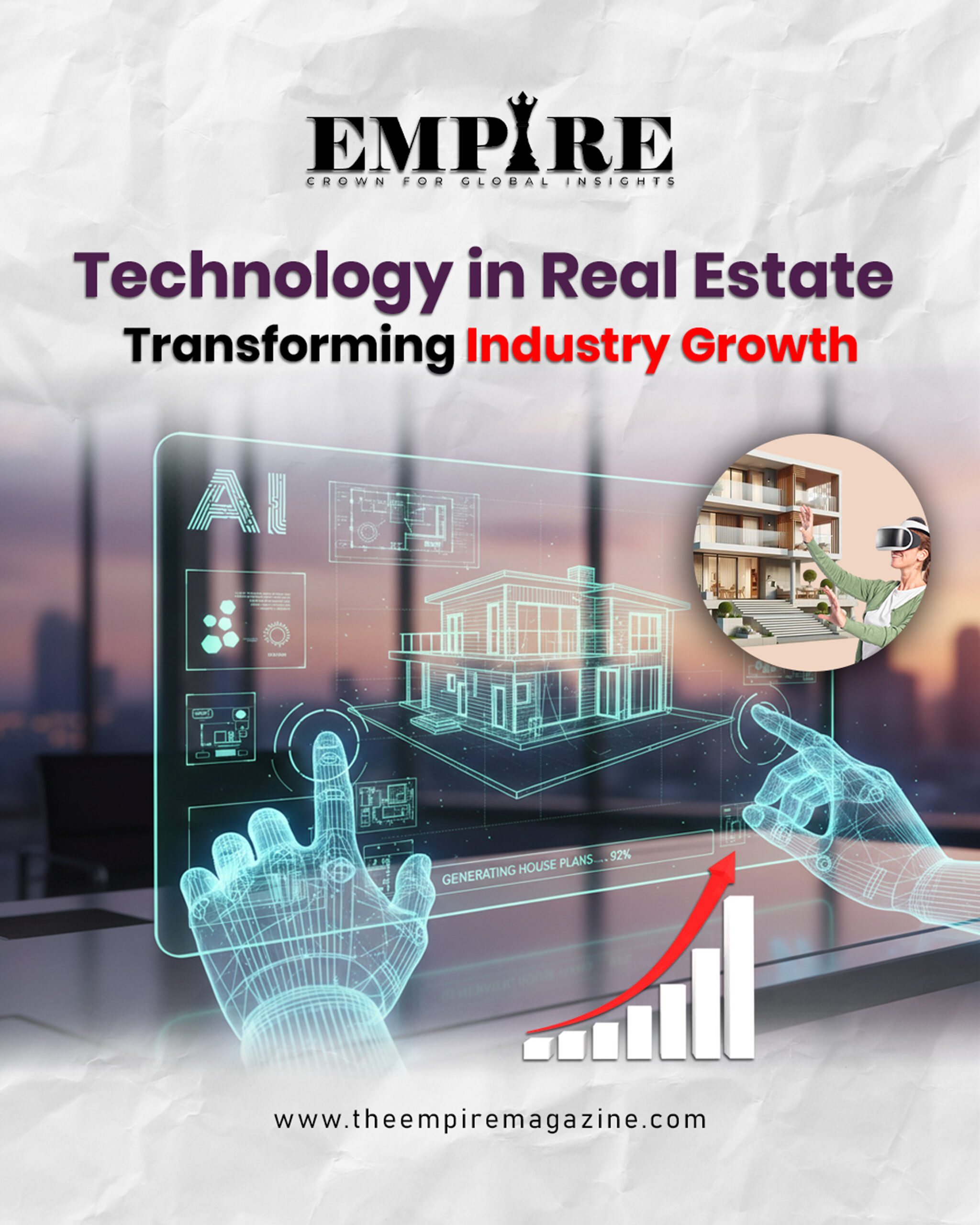
Virtual Reality (VR) and Augmented Reality (AR) are transforming how properties are presented and experienced. These technologies provide immersive property tours, allowing buyers to explore spaces remotely.
With VR, users can walk through properties virtually, while AR enables them to visualize design changes and renovations. This enhances buyer confidence and helps them make informed decisions.
These tools are particularly valuable for international buyers and investors who cannot visit properties physically.
Artificial Intelligence and Machine Learning
Artificial Intelligence (AI) plays a crucial role in modern real estate. AI-powered tools analyze large amounts of data to provide insights into market trends, property values, and investment opportunities.
AI applications include:
- Predictive pricing models
- Personalized property recommendations
- Chatbots for customer support
- Automated lead generation
These technologies improve decision-making and enhance customer experience by offering tailored solutions.
AI-driven chatbots also provide 24/7 assistance, making communication faster and more efficient. Pasted text (2)
Blockchain and Smart Contracts
Blockchain technology is bringing transparency and security to real estate transactions. It creates a secure and immutable record of transactions, reducing the risk of fraud.
Smart contracts automate agreements between buyers and sellers, ensuring that all conditions are met before completing a transaction. This eliminates the need for intermediaries and speeds up the process.
Blockchain is making property transactions more reliable, efficient, and cost-effective.
Big Data and Analytics
Big data is a powerful tool in real estate, enabling data-driven decision-making. By analyzing market trends, customer behavior, and property values, businesses can make informed decisions.
Predictive analytics helps identify investment opportunities and forecast market trends. This allows investors and developers to stay ahead of the competition.
Accurate data analysis also improves property valuation, ensuring fair pricing and better investment strategies.
Internet of Things (IoT) and Smart Buildings
The Internet of Things (IoT) is transforming property management through smart building technology. IoT devices enable real-time monitoring and control of building systems.
Key benefits of IoT include:
- Energy efficiency and sustainability
- Enhanced security systems
- Automated maintenance and operations
Smart buildings provide a better living experience for residents while reducing operational costs for property owners.
Emerging Technologies in Real Estate
The future of Technology in Real Estate is driven by emerging innovations such as:
- 3D printing for construction
- Drones for property surveys and inspections
- Metaverse real estate for virtual property investment
These technologies are reshaping how properties are built, marketed, and experienced, creating new opportunities for growth and innovation.
Challenges in Tech-Driven Real Estate
Despite its advantages, technology adoption comes with challenges:
- Data privacy and security concerns
- High implementation costs
- Resistance from traditional stakeholders
- Regulatory and legal complexities
Businesses must address these challenges to fully leverage the benefits of technology.
The Future of Technology in Real Estate
The future of real estate is closely tied to technological advancement. Companies that embrace digital transformation will have a competitive edge in the market.
Technology will continue to improve efficiency, enhance customer experiences, and create new business models. From AI-driven insights to smart buildings and virtual property markets, the industry is entering a new era of innovation.
To explore more insights, visit:
👉 https://theempiremagazine.com/?p=5747
Stay connected for more insights:
📸 Instagram: https://www.instagram.com/the_empire_magazine/
📘 Facebook: https://www.facebook.com/profile.php?id=61573749076160
– The Empire Magazine
Crown For Global Insights