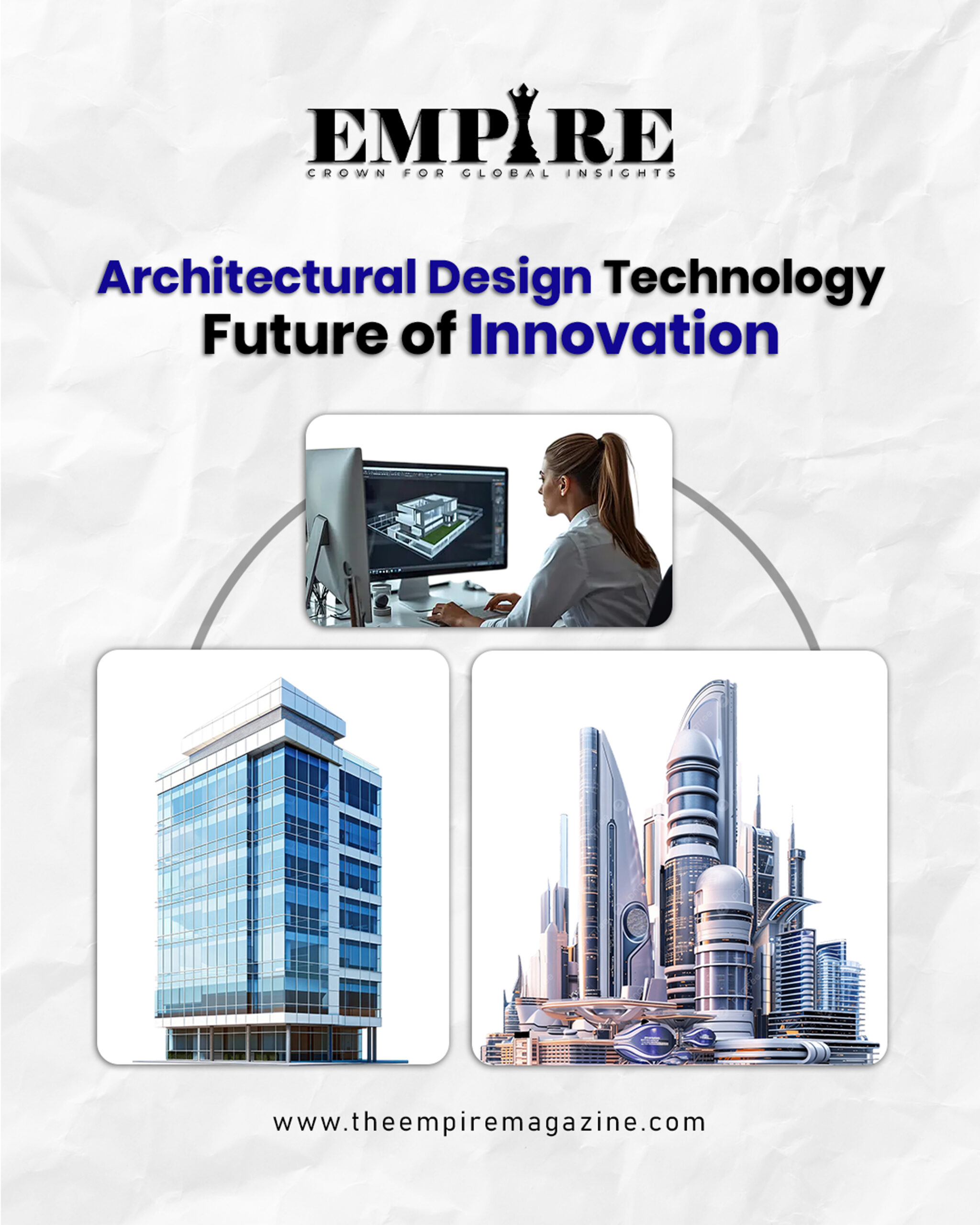
Architectural Design Technology is reshaping how buildings are imagined, designed, and constructed. The evolution of digital tools, automation, and advanced materials has transformed architecture from a traditional practice into a highly innovative, data-driven discipline.
Today, architects are no longer limited to hand-drawn sketches and physical models. With the help of technology, they can create complex structures, simulate real-world conditions, and collaborate globally. This shift is not only improving efficiency but also unlocking new levels of creativity and sustainability.
The Shift from Traditional to Digital Design
The journey of Architectural Design Technology began with the transition from manual drafting to digital tools. Earlier, architects relied on hand-drawn blueprints, which were time-consuming and prone to errors.
The introduction of Computer-Aided Design (CAD) marked a turning point. CAD software enabled architects to create precise digital drawings, make quick modifications, and share designs easily with stakeholders. Pasted text (2)
This shift significantly improved productivity and reduced project timelines. It also laid the foundation for more advanced technologies that followed.
The Rise of 3D Modelling and Visualization
One of the most impactful advancements in Architectural Design Technology is 3D modelling. Tools like advanced modelling software allow architects to create realistic, three-dimensional representations of their designs.
This innovation has changed the way projects are visualized and communicated. Architects can now:
- Identify design flaws early
- Improve collaboration with engineers and contractors
- Present lifelike models to clients
3D visualization helps clients better understand projects before construction begins, reducing misunderstandings and improving decision-making.
Building Information Modelling (BIM)
Building Information Modelling (BIM) has revolutionized the architectural workflow. Unlike traditional design tools, BIM integrates data, design, and collaboration into a single platform.
With BIM, all stakeholders—architects, engineers, and contractors—can work on the same model in real time. This ensures that everyone has access to updated information, reducing errors and improving efficiency. Pasted text (2)
BIM also enhances sustainability by allowing architects to analyze energy performance, material usage, and environmental impact during the design phase.
Generative Design and AI Integration
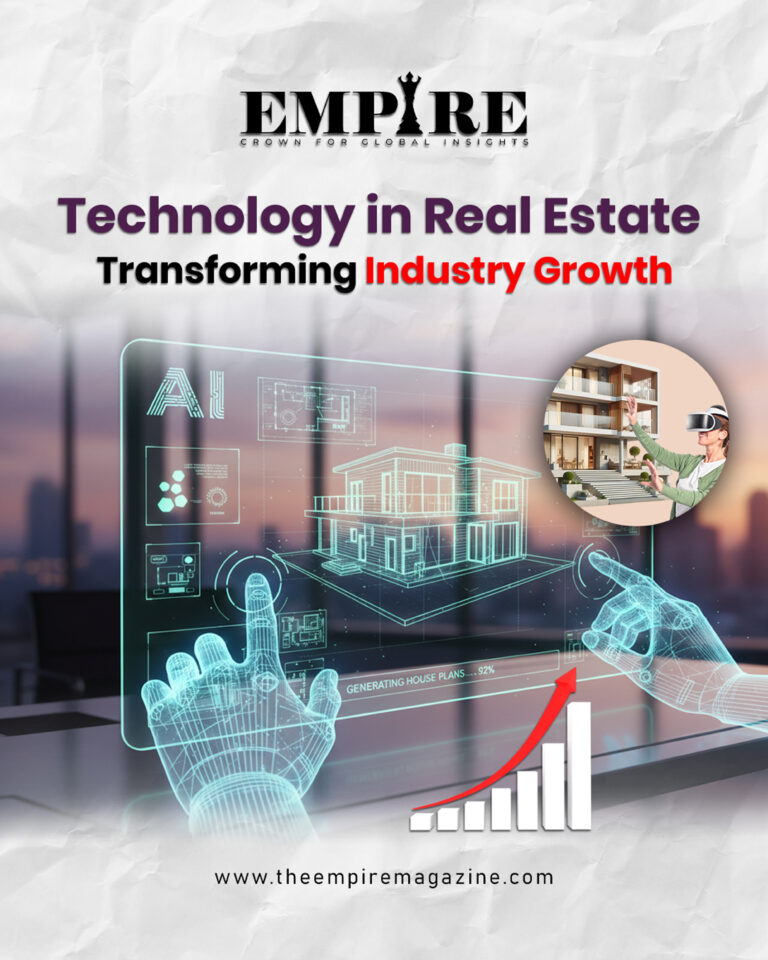
Artificial intelligence and generative design are pushing the boundaries of creativity in architecture. Generative design uses algorithms to explore thousands of design possibilities based on specific goals and constraints.
Architects can input parameters such as budget, materials, and environmental conditions, and the system generates multiple design options. Pasted text
This approach allows architects to discover innovative solutions that might not have been possible through traditional methods. It also helps optimize performance and efficiency.
AI is further enhancing architectural design by automating repetitive tasks, analyzing large datasets, and predicting building performance.
3D Printing and Robotics in Construction
Another major breakthrough in Architectural Design Technology is the use of 3D printing and robotics. These technologies are transforming how buildings are constructed.
3D printing enables the creation of complex structures quickly and efficiently. It allows architects to experiment with unique shapes and designs that would be difficult to achieve with traditional methods.
Robotics is also playing a significant role in construction, improving precision and reducing labor-intensive tasks. Pasted text
Together, these technologies are blurring the line between design and construction, making the process faster and more cost-effective.
Virtual Reality (VR) and Augmented Reality (AR)
Virtual Reality (VR) and Augmented Reality (AR) are enhancing the way architects present and refine their designs.
With VR, clients can walk through a virtual version of a building before it is constructed. This immersive experience helps them understand the design and provide feedback.
AR, on the other hand, overlays digital information onto the physical environment. It can be used during construction to compare real-world progress with digital plans.
These technologies improve communication, reduce errors, and enhance the overall design process. Pasted text
Cloud Technology and Collaboration
Cloud computing has become an essential part of Architectural Design Technology. It allows teams to collaborate in real time, regardless of location.
With cloud-based platforms, architects can:
- Share project data instantly
- Access files from anywhere
- Collaborate with global teams
This level of connectivity has made architecture more efficient and flexible, enabling faster project completion.
Smart Buildings and Sustainability
Technology is also driving the development of smart buildings. These structures use sensors, automation, and energy management systems to optimize performance.
Smart buildings offer several benefits:
- Reduced energy consumption
- Improved comfort for occupants
- Enhanced building efficiency
Sustainability is a key focus of modern architecture. With the help of technology, architects can design buildings that are environmentally friendly and resource-efficient. Pasted text (2)
The Evolving Role of Architects
As Architectural Design Technology advances, the role of architects is also changing. Architects are now expected to:
- Understand advanced digital tools
- Work with data and analytics
- Collaborate across multiple disciplines
- Focus on innovation and sustainability
Technology has shifted the focus from manual work to creative problem-solving, allowing architects to explore new possibilities.
Challenges in Adopting Technology
Despite its benefits, adopting new technology comes with challenges:
- High implementation costs
- Need for continuous learning and training
- Resistance to change within organizations
- Dependence on digital systems
However, these challenges can be overcome with proper planning and investment.
The Future of Architectural Design
The future of Architectural Design Technology looks promising. Emerging technologies such as AI, machine learning, and advanced robotics will continue to transform the industry.
Architects will be able to create more complex, efficient, and sustainable designs. Buildings will become smarter, more adaptable, and better suited to the needs of their occupants.
Technology will not replace architects—it will empower them to achieve greater innovation and creativity.
To explore more insights on architecture and innovation, visit:
👉 https://theempiremagazine.com/?p=5710&preview=true
Stay connected for more insights:
📸 Instagram: https://www.instagram.com/the_empire_magazine/
📘 Facebook: https://www.facebook.com/profile.php?id=61573749076160
– The Empire Magazine
Crown For Global Insights