
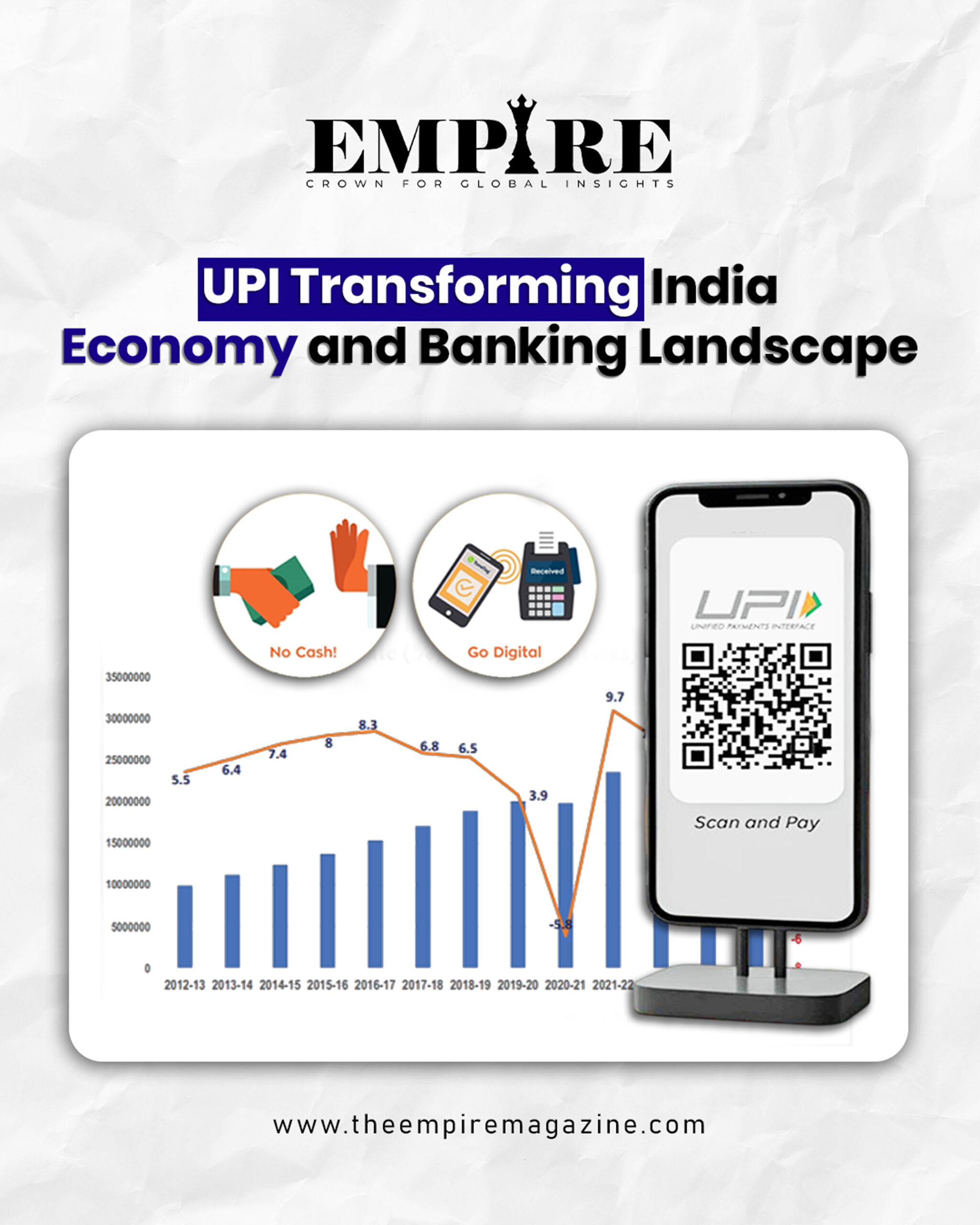
The concept of UPI Transforming India Economy highlights one of the most significant technological revolutions in the country’s financial history. Over the past few years, the Unified Payments Interface a(UPI) has changed how people send, receive, and manage money. It has simplified digital payments and brought millions of users into the formal financial system.
UPI is not just a payment method—it is a complete ecosystem that connects banks, users, merchants, and financial services into a single platform. Its widespread adoption has reshaped the banking sector and strengthened India’s digital economy.
Understanding UPI and How It Works
UPI is a real-time payment system that allows users to transfer money instantly between bank accounts using a mobile device. Pasted text
It works through a simple interface where users can link multiple bank accounts to a single application. Transactions can be completed using a virtual payment address (VPA), mobile number, or QR code, eliminating the need to share sensitive banking details.
The system operates 24/7, making it one of the most convenient payment solutions available today.
Key Features of UPI
UPI stands out because of its simplicity and efficiency. Its features have made digital transactions accessible to a wide range of users.
1. Instant Transactions
UPI enables real-time fund transfers without delays, making it ideal for both personal and business use.
2. Unified Banking Access
Users can manage multiple bank accounts within a single app, reducing complexity.
3. QR Code Payments
Quick scan-and-pay functionality allows easy transactions for both customers and merchants.
4. Strong Security Measures
Two-factor authentication and encrypted transactions ensure safety and trust.
5. Round-the-Clock Availability
Unlike traditional banking systems, UPI works anytime, including weekends and holidays.
These features have contributed to its rapid adoption across the country.
Benefits of UPI for Users and Businesses
The success of UPI Transforming India Economy lies in its ability to provide benefits to both individuals and businesses.
1. Simplified Transactions
UPI removes the need for complex banking details. Users can send money using simple identifiers, making transactions faster and easier.
2. Cost-Effective Payments
Most UPI transactions are free or have minimal charges. This makes it accessible for people across different income groups.
3. Versatility
UPI supports various types of payments, including:
- Peer-to-peer transfers
- Merchant payments
- Bill payments
- Online purchases
This flexibility makes it a comprehensive financial tool.
4. Ease of Use
The user-friendly interface ensures that even individuals with limited technical knowledge can use the system comfortably.
UPI’s Role in Financial Inclusion
One of the most impactful aspects of UPI Transforming India Economy is its role in financial inclusion.
Millions of people who previously lacked access to formal banking services can now participate in the digital economy. UPI has:
- Enabled small vendors to accept digital payments
- Allowed rural populations to access banking services
- Reduced dependency on cash transactions
This inclusion has strengthened economic participation across different regions.
Boost to India’s Digital Economy
UPI has played a major role in accelerating India’s shift toward a digital economy. The widespread use of digital payments has:
- Increased transparency in financial transactions
- Reduced reliance on cash
- Improved efficiency in financial systems
Digital payments have become an integral part of daily life, from small purchases to large transactions.
Impact on Small Businesses and Vendors
Small businesses and street vendors have greatly benefited from UPI. With minimal setup costs, they can accept payments instantly without requiring expensive infrastructure.
Benefits for businesses include:
- Faster payment processing
- Reduced cash handling risks
- Improved record-keeping
- Increased customer convenience
This has empowered small entrepreneurs and boosted local economies.
Formalisation of the Economy
UPI has contributed to the formalisation of India’s economy by encouraging digital transactions. When transactions are recorded digitally, it becomes easier to track economic activity.
This leads to:
- Better tax compliance
- Reduced black money circulation
- Increased government revenue
A more transparent system improves governance and resource allocation.
Technological Innovation and Growth
The rise of UPI has also driven innovation in financial technology. New features and integrations continue to enhance user experience.
Examples include:
- Integration with credit systems
- Expansion into international markets
- Development of new financial services
These innovations ensure that UPI remains relevant in a rapidly evolving digital landscape.
Global Expansion of UPI
UPI is no longer limited to India. Its expansion into international markets is opening new opportunities for global transactions.
This expansion allows:
- Seamless payments for travelers
- Easier cross-border transactions
- Increased global recognition of India’s digital systems
UPI’s global presence reflects its growing importance in the international financial ecosystem.
Challenges and Future Outlook
Despite its success, UPI faces certain challenges:
- Cybersecurity risks
- Dependence on digital infrastructure
- Need for continuous innovation
However, the future of UPI Transforming India Economy remains strong. As technology advances, UPI is expected to become even more efficient and widely adopted.
Future developments may include:
- Enhanced security features
- Greater integration with global systems
- Expansion into new financial services
For more insights, read here:
👉 https://theempiremagazine.com/?p=5822
Stay connected with us:
📸 Instagram: https://www.instagram.com/the_empire_magazine/
📘 Facebook: https://www.facebook.com/profile.php?id=61573749076160
– The Empire Magazien
Crown For Global Insights