
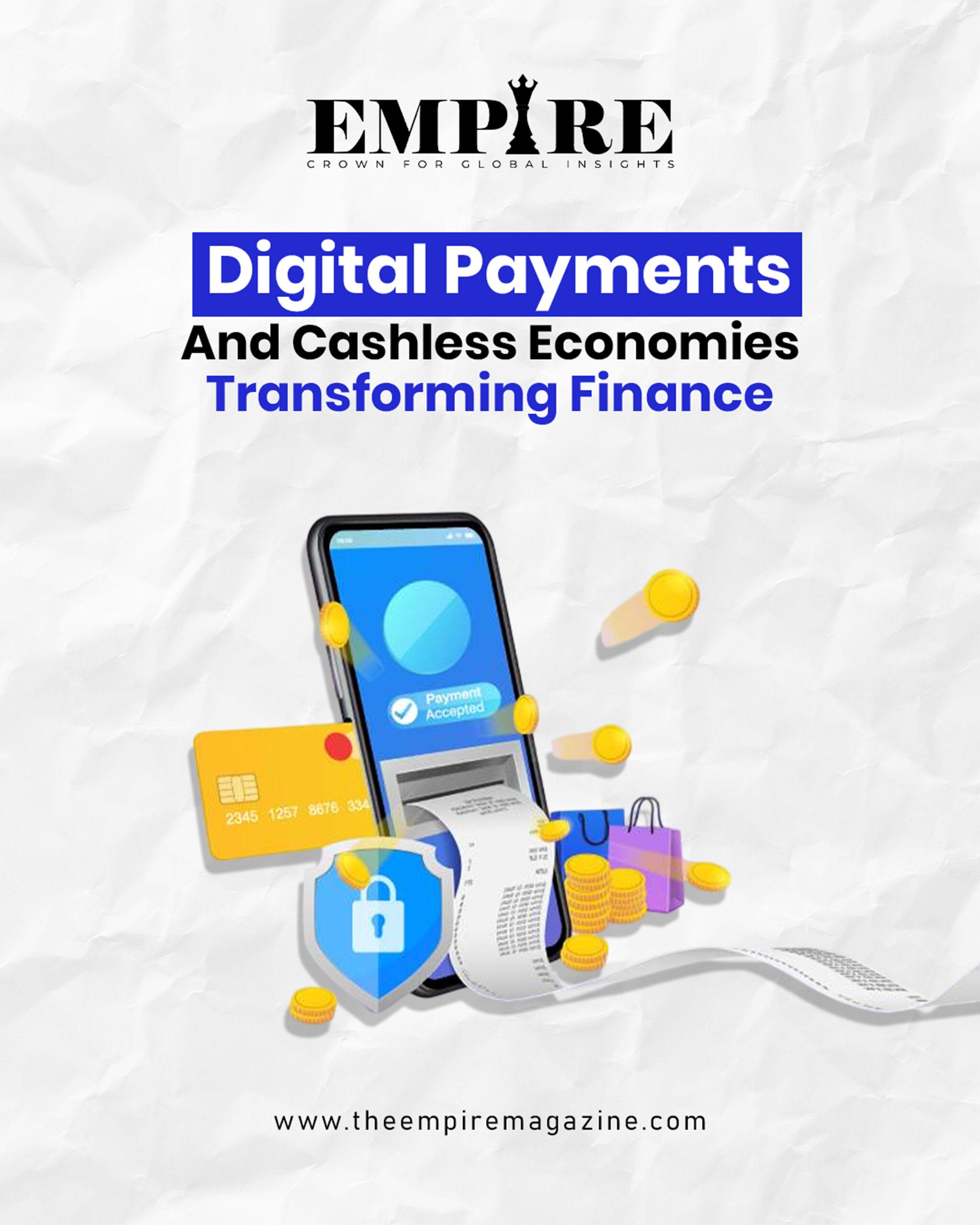
Introduction to Digital Payments and Cashless Economies
Digital Payments and Cashless Economies are rapidly transforming how people and businesses handle financial transactions. Over the past decade, the global financial system has experienced a significant shift from traditional cash transactions to digital payment solutions. This transformation is driven by advances in technology, the growth of smartphones, and the increasing demand for faster and more secure financial services.
Today, consumers can make payments instantly using mobile wallets, online banking platforms, and contactless technologies. These innovations have made financial transactions more convenient and efficient. As a result, Digital Payments and Cashless Economies are becoming a central component of modern financial systems worldwide.
Businesses, governments, and financial institutions are increasingly supporting this transition as digital payments improve transparency, reduce operational costs, and enhance economic efficiency.
The Rapid Growth of Digital Payment Systems
The growth of digital technology has significantly accelerated the adoption of electronic payment systems. Consumers are increasingly using smartphones and digital platforms to make payments for everyday services such as shopping, transportation, and entertainment.
Because of this trend, Digital Payments and Cashless Economies are expanding rapidly across both developed and emerging markets. Mobile payment systems allow users to transfer money instantly, eliminating the need for physical currency.
Digital payment platforms also enable businesses to process transactions more efficiently. Online payment gateways allow companies to sell products and services globally without the limitations of traditional payment systems.
This growing ecosystem of digital financial services continues to reshape the global economy.
Why Businesses Are Embracing Cashless Transactions
Companies are increasingly adopting digital payment systems because they provide several advantages over traditional cash transactions.
One major benefit of Digital Payments and Cashless Economies is operational efficiency. Digital transactions can be processed instantly, reducing waiting times and improving customer experience.
Another advantage is improved financial transparency. Digital payment systems create detailed transaction records, making it easier for businesses to manage finances and comply with regulatory requirements.
Digital payments also reduce the risks associated with handling large amounts of cash, such as theft, fraud, and accounting errors.
For these reasons, many businesses are integrating digital payment technologies into their operations.
The Role of Technology in Digital Payments
Technology is the foundation of Digital Payments and Cashless Economies. Innovations in mobile technology, cloud computing, and financial software have enabled secure and efficient payment systems.
Contactless payment technologies allow customers to complete transactions quickly using smartphones or digital wallets. Biometric authentication methods such as fingerprint scanning and facial recognition are also improving the security of digital transactions.
Artificial intelligence and data analytics are being used to detect suspicious activities and prevent fraud in real time. These technologies help financial institutions maintain trust and security in digital payment systems.
As technology continues to advance, digital payments will likely become even faster, safer, and more accessible.
Expanding Financial Inclusion Through Digital Payments
One of the most important benefits of Digital Payments and Cashless Economies is their potential to improve financial inclusion.
In many regions, traditional banking services are limited or inaccessible. Digital payment platforms provide an alternative solution by allowing individuals to access financial services using mobile devices.
People who previously lacked access to banking systems can now send money, receive payments, and manage finances digitally.
This increased access to financial services supports economic development and empowers individuals to participate more actively in the global economy.
Challenges in Building Cashless Economies
Although Digital Payments and Cashless Economies offer many advantages, they also present certain challenges.
Cybersecurity remains one of the most important concerns. As financial transactions move online, protecting sensitive financial data becomes critical.
Another challenge is digital infrastructure. Reliable internet access and modern technology are required to support digital payment systems. In regions with limited connectivity, adopting cashless solutions may take longer.
Additionally, businesses and consumers must develop trust in digital financial systems. Ensuring secure transactions and protecting user privacy are essential for maintaining confidence in cashless economies.
Addressing these challenges will be important for the continued growth of digital payments.
The Future of Digital Payments and Cashless Economies
The future of Digital Payments and Cashless Economies is expected to be shaped by emerging technologies and evolving consumer behavior.
Artificial intelligence, blockchain technology, and advanced security systems are likely to improve the efficiency and safety of digital transactions. These innovations may also enable new financial services that simplify global commerce.
As digital payment adoption continues to increase, businesses will be able to expand into new markets and reach customers worldwide.
The transformation of financial systems through digital payments is similar to how technological innovation is reshaping many industries. Another example of technological transformation can be explored here: https://theempiremagazine.com/?p=5517
This demonstrates how digital innovation continues to influence modern economic systems.
– The Empire Magazine
Crown for Global Insights
Follow The Empire Magazine
Facebook | Instagram | LinkedIn